South Korea is experiencing a nationwide heat wave with temperatures in the Yeongnam region forecast to approach 40 °C on Wednesday [1, 2].
The persistent extreme heat is straining public health infrastructure and disrupting sleep patterns across the country due to a lack of nighttime cooling.
Weather officials have expanded heat warnings to cover 19 regions [1]. The country is currently grappling with "tropical nights," a phenomenon where nighttime temperatures do not drop below 25 °C [1].
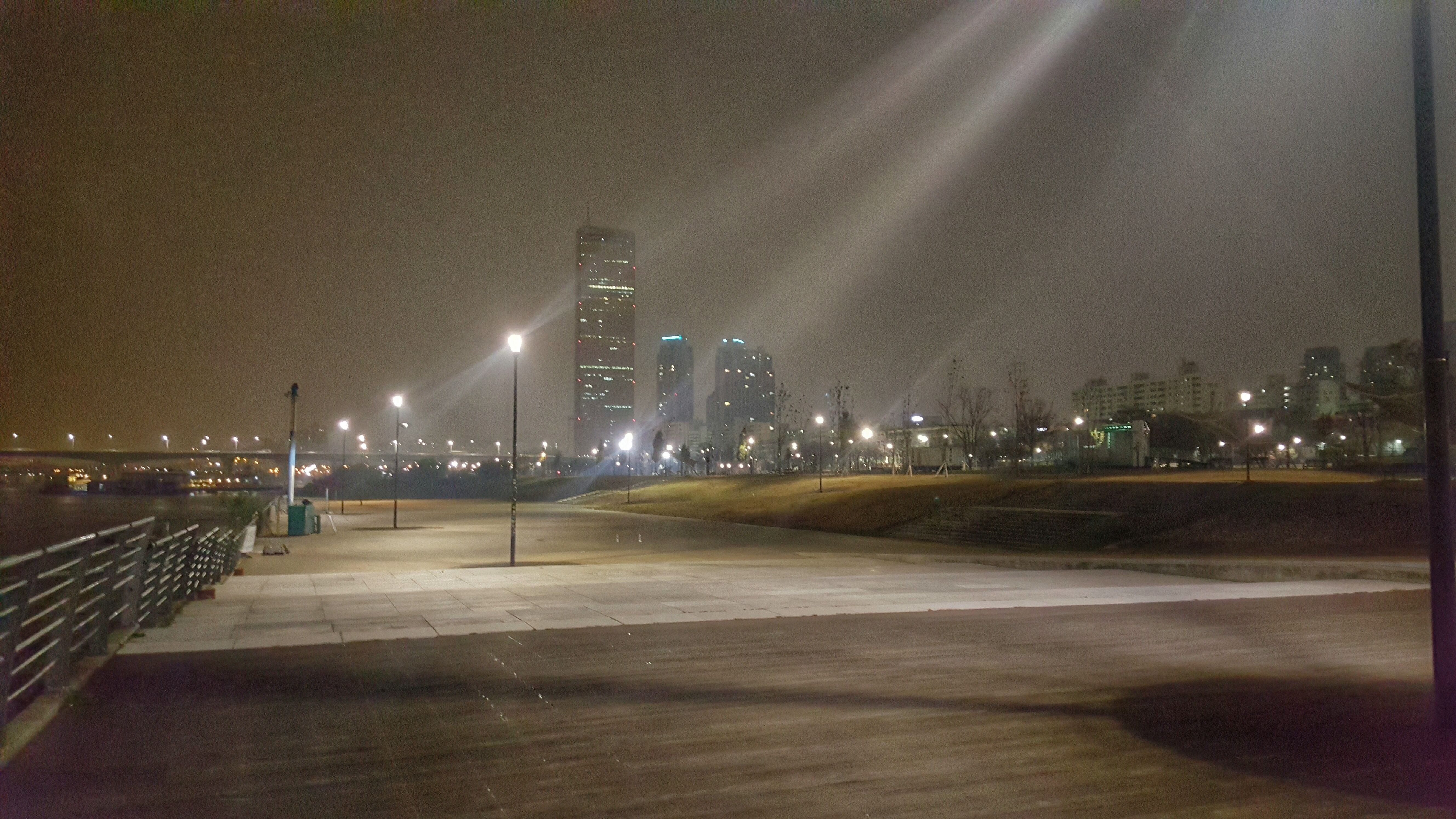
In Seoul, the temperature was recorded at 27.9 °C, though the heat index made it feel like over 30 °C [1]. Reporting from Yeouido Hangang Park, weather caster Jung Su-hyun said the air remained humid and sultry even as the clock approached 10 p.m. [1].
Forecasts for Wednesday indicate that morning temperatures in Seoul and Gangneung will start at 26 °C [1]. In Daegu, the morning temperature is expected to be 25 °C or higher [1].
Many areas are expected to see a heat index near 30 °C tomorrow [1]. This level of warmth is approaching what is described as a "super tropical night," where the heat persists through the early morning hours.
An anchor for YTN News said that while the entire country is covered by heat wave advisories, the heat does not rest even at night [1]. The Yeongnam region, specifically the Daegu area, remains the primary focal point for the most extreme temperature peaks [1, 2].
“The Yeongnam region is forecast to approach 40 °C tomorrow.”
The prevalence of tropical nights—where temperatures remain above 25 °C—prevents the human body from recovering from daytime heat stress. When combined with forecasted peaks of 40 °C in the Yeongnam region, this creates a compounding health risk that increases the likelihood of heatstroke and cardiovascular strain for the general population.