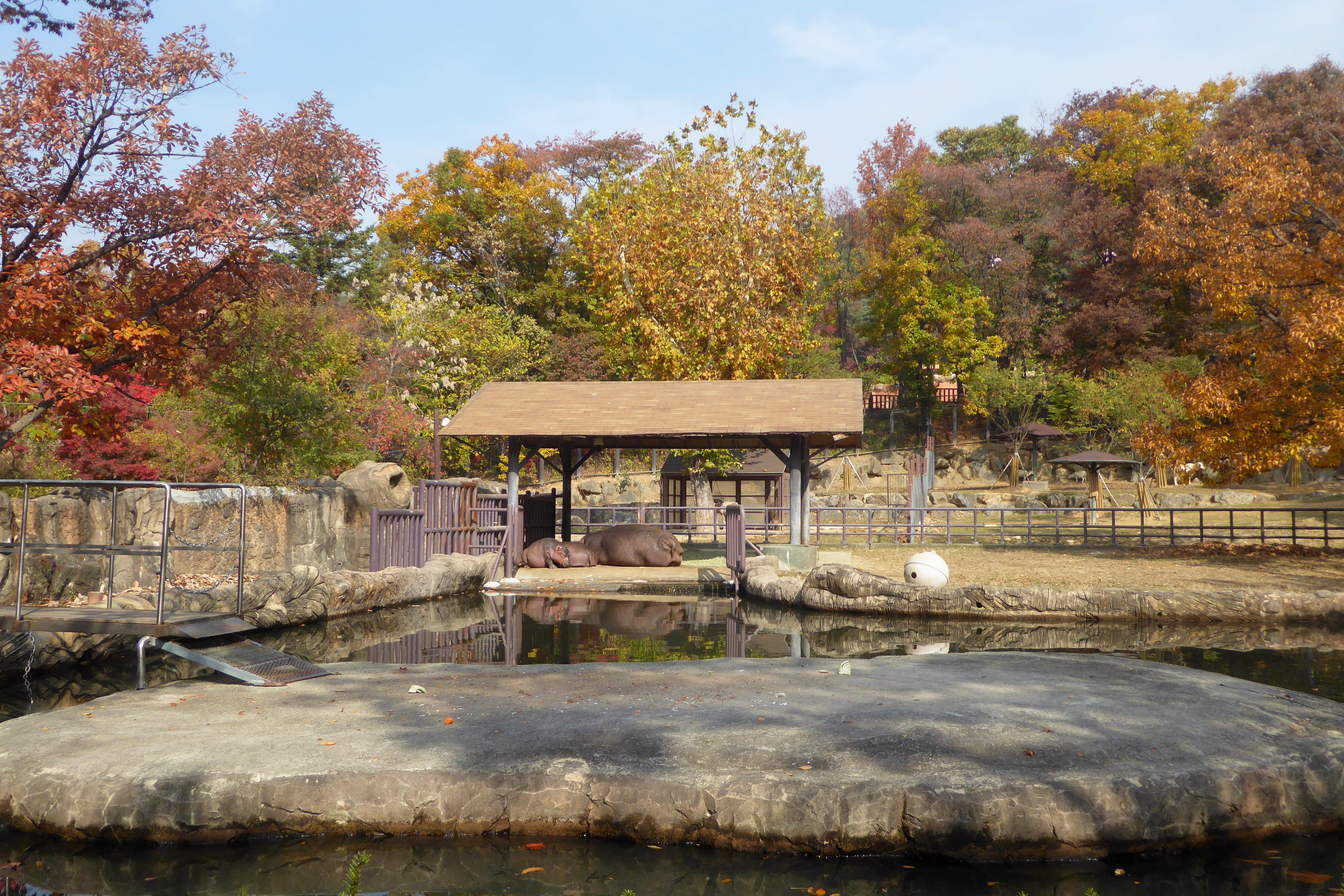
Two baby red pandas were born to a mother at Seoul Grand Park, marking the first successful natural breeding of the species in South Korea [1].
This event is a significant achievement for wildlife conservation because red pandas are an endangered species with extremely narrow windows for reproduction. The ability to successfully breed the animals naturally in a zoo setting provides critical data for preserving the species.
The cubs were born June 19 [1]. Zoo officials said that the birth of the two newborns [1] represents a domestic first for the country. The success is particularly notable given the biological constraints of the species; red pandas have a fertile window that lasts only two to three days per year [2].
Zoo director 여용구 said the event was rare. The red panda is listed as a globally endangered species, and natural breeding is often difficult to achieve in captivity due to the specific environmental and hormonal requirements needed for mating [2].
According to YTN News, the birth of these two cubs is a major step for South Korean zoological institutions. "The globally endangered 'lesser panda' has given birth to two cubs through natural breeding for the first time in Korea," an anchor for YTN News said [2].
Staff at Seoul Grand Park continue to monitor the mother and her newborns to ensure their health and stability. The facility is focusing on maintaining an environment that mimics the red pandas' natural habitat to support the growth of the cubs.
“The first successful natural breeding of red pandas in South Korea.”
The successful natural breeding at Seoul Grand Park demonstrates an improved understanding of red panda reproductive biology within South Korean facilities. Because the species has such a limited annual fertile window, this milestone suggests that the zoo has successfully replicated the necessary environmental triggers for mating, which may assist in broader international efforts to maintain genetic diversity among endangered red panda populations.


