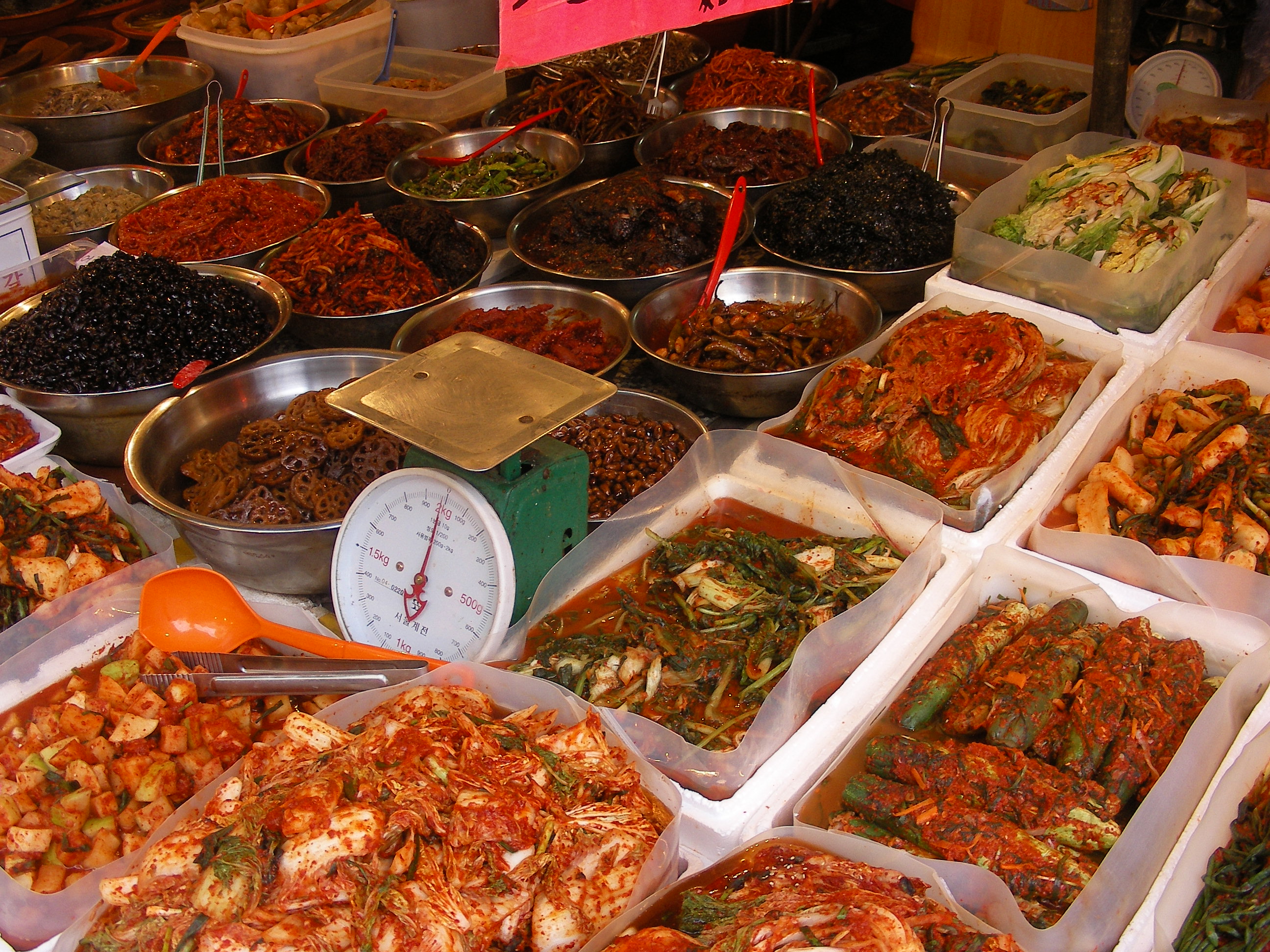
South Korea's kimchi industry is facing severe pressure from a surge of cheap Chinese imports and climate-change-driven crop failures [1, 2].
This shift threatens the economic stability of domestic producers and the cultural integrity of a national staple. As the cost of raw ingredients rises, the balance of trade for the fermented vegetable has flipped, with South Korea now importing more kimchi than it exports [1, 3].
Domestic producers are struggling to compete with the lower price points of Chinese-made versions [1, 3]. This price gap has led many restaurants to switch their sourcing to cheaper imports to maintain profit margins [1, 3]. The trend undermines local farms and factories that cannot match the industrial scale or low labor costs of overseas competitors [1].
Environmental factors are compounding the economic struggle. Climate change has led to significant reductions in the yields of napa cabbage, a primary ingredient in kimchi [2, 3]. These shortages squeeze domestic producers by increasing the cost of raw materials, while the market is simultaneously flooded with cheaper alternatives [2].
Industry stakeholders in Seoul said that the combination of environmental instability and market saturation is creating a precarious environment for traditional producers [1, 3]. The reliance on imports for a core cultural dish highlights the vulnerability of the domestic agricultural supply chain to both global trade dynamics and shifting weather patterns [2].
“South Korea now imports more kimchi than it exports.”
The transition of kimchi from a primary export to a net import reflects a broader vulnerability in South Korea's agricultural sector. The intersection of climate-driven crop failure and the availability of low-cost industrial imports suggests that traditional food security is increasingly tied to global supply chains rather than domestic production.


