South Korean authorities issued guidelines for farmers to protect crops and livestock as the monsoon season began today in Jeju and southern regions [1].
These precautions are critical because heavy rainfall and prolonged heatwaves threaten agricultural production through flooding and heat stress. Proactive mitigation is necessary to prevent significant economic losses for rural communities [1].
Jung Byung-jin, Director of Disaster Response at the Rural Development Administration, emphasized the need for early preparation. He said that when damage is expected, farmers must thoroughly prepare by cleaning and securing drainage channels [1].
For crops vulnerable to wind and rain, the installation of support stakes can reduce potential losses [1]. Officials said that standing water must be drained quickly to prevent root rot and other crop failures [1].
Beyond crop preservation, the government is prioritizing human life during extreme weather events. Reporter Oh Jum-gon said that when heavy rain or typhoon warnings are issued, farmers should prioritize personal safety over agricultural work and adhere to safety protocols by halting operations [1].
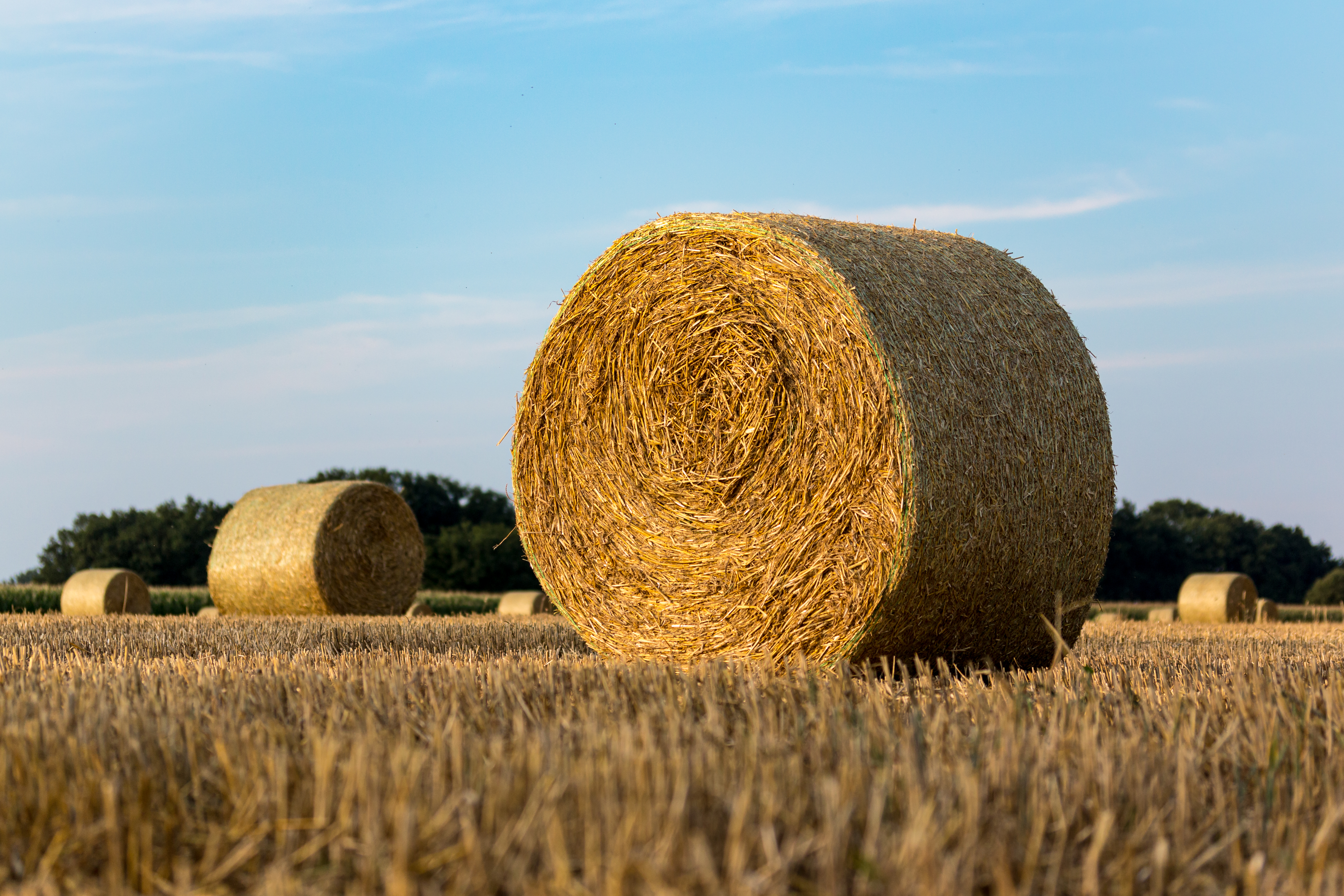
The warnings specifically highlight risks in Jeju Island and southern provinces, including the fields of Iksan-Mangseong-myeon in Jeonbuk [1]. These areas are particularly susceptible to the initial surges of the monsoon season, which often bring unpredictable precipitation patterns and intense heat [1].
Farmers are encouraged to monitor weather alerts continuously and coordinate with local agricultural offices to implement the recommended drainage and staking strategies before the next major storm system arrives [1].
“Farmers must thoroughly prepare by cleaning and securing drainage channels.”
The timing of these warnings coincides with the start of the monsoon, a period where South Korea's agricultural sector is most vulnerable to volatile weather. By shifting the focus toward personal safety and preventative infrastructure like drainage and staking, the government aims to reduce the systemic risk that extreme weather poses to the national food supply and rural livelihoods.