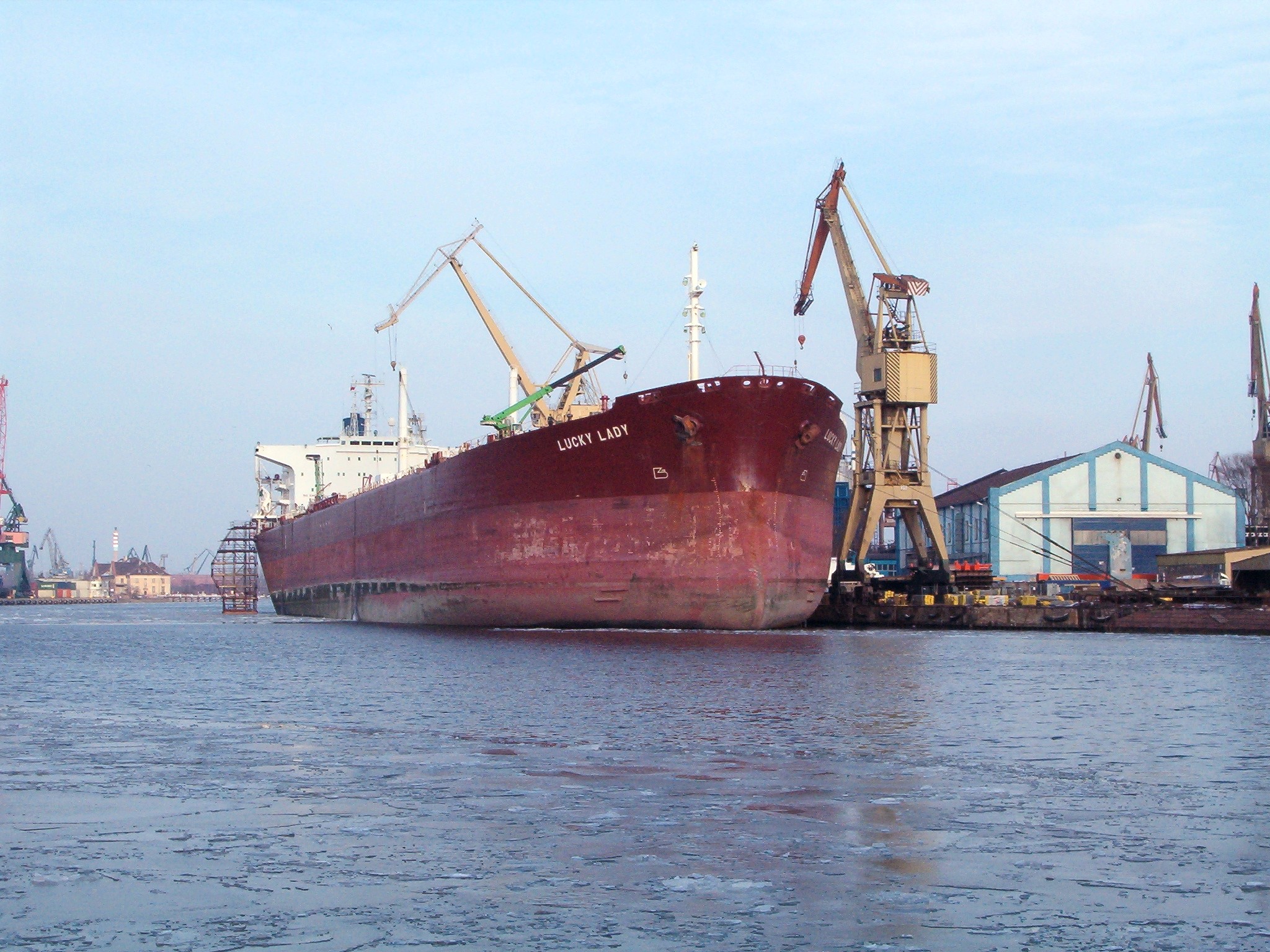
A Malta-flagged oil tanker arrived off the west coast of South Korea on May 3, 2026, after transiting the Strait of Hormuz [1, 2].
The delivery is critical because South Korea relies heavily on crude oil from the Middle East. This successful arrival eases immediate concerns regarding a looming energy crisis driven by conflicts that have threatened shipping lanes in the region [3, 4].
The vessel carried approximately 1 million barrels of crude oil [1]. It docked at a pier belonging to GS Caltex Corp., a South Korean refinery [1, 2].
Reports said the tanker passed through the Strait of Hormuz in mid-April 2026 [1, 3]. The passage occurred during a period of heightened instability, where the threat of a blockade had raised alarms about the security of energy imports for East Asian nations [4].
While most reports indicate the vessel transited the Strait of Hormuz, some conflicting accounts suggested the tanker arrived via the Red Sea [5]. However, the primary reporting confirms the Hormuz route was used to reach the west coast of South Korea [1, 2].
The arrival on Friday, May 3, 2026 [1], provides a temporary reprieve for the refinery's supply chain. The shipment ensures that the GS Caltex facility can maintain operations despite the volatility of the Iran-related conflict affecting the region's primary maritime arteries [3, 4].
“The delivery eases concerns about a looming energy crisis.”
The successful transit and delivery of this cargo demonstrate that despite the threats of a blockade in the Strait of Hormuz, critical energy shipments are still reaching East Asian markets. This reduces the immediate risk of fuel shortages in South Korea but underscores the nation's vulnerability to geopolitical instability in the Middle East.


