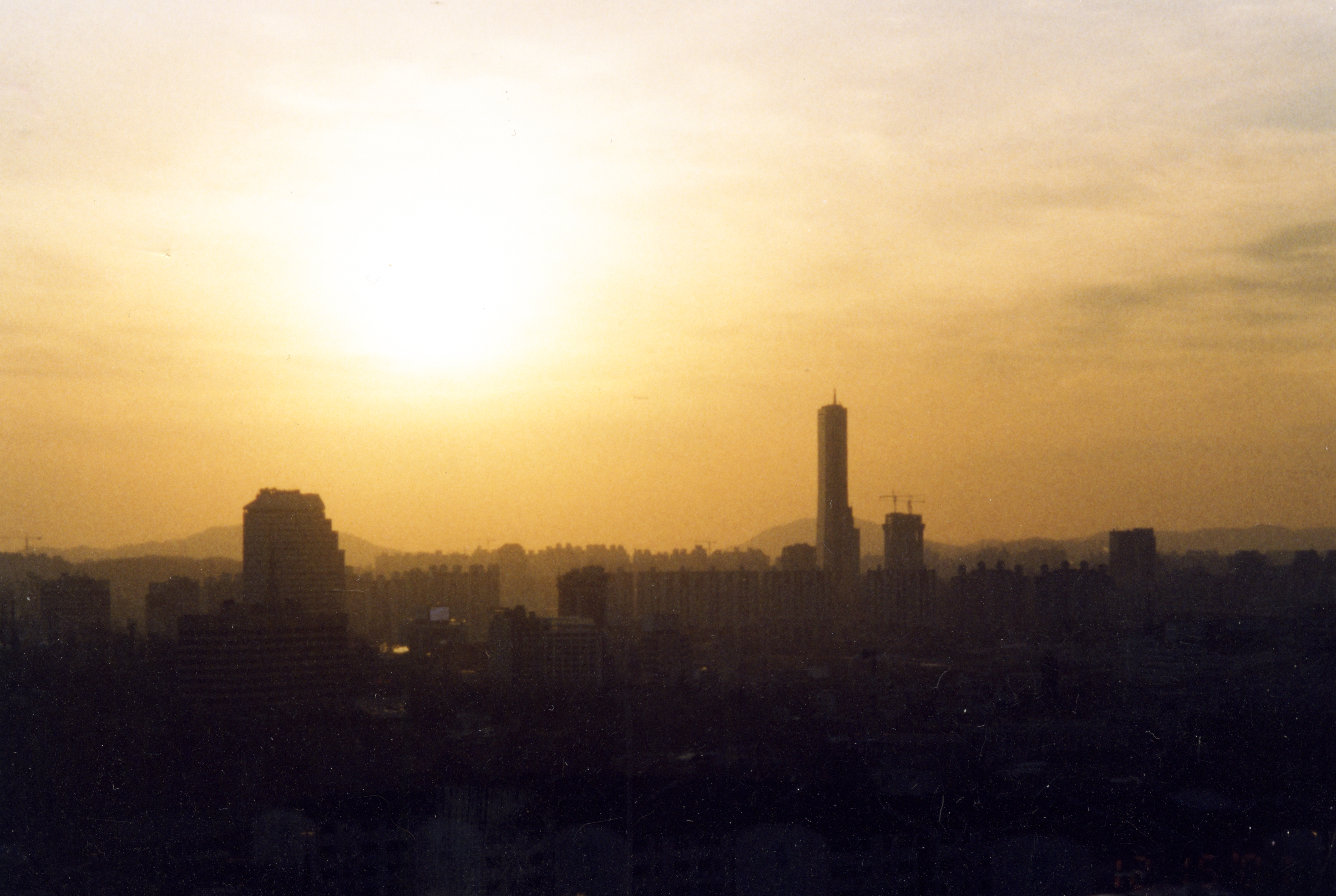
South Korea's economy grew by 0.6% quarter-on-quarter in the second quarter of 2024 [1].
This growth exceeds market expectations and suggests the nation remains on track to meet its annual growth target of 3% [2]. The result highlights the resilience of the South Korean economy against geopolitical volatility and domestic investment struggles.
According to data from the Bank of Korea, the expansion was primarily driven by a boom in semiconductor exports [3]. This surge in tech trade provided a critical buffer that offset a decline in construction investment [3]. The performance indicates that global demand for high-end chips is currently outweighing internal economic headwinds.
Economic correspondent Kim Jun-hong said the results defied predictions regarding regional instability. "Many had expected the Middle East conflict to leave a bigger mark on the second quarter. But that doesn't seem to have happened," Kim said [4].
Beyond the quarterly growth, the data indicates a rise in overall national wealth. Per-capita GDP is currently approaching $40,000 [2]. This milestone reflects the continued transition of the South Korean economy toward high-value technology exports.
Reuters said the semiconductor boom was the primary catalyst for the growth, effectively neutralizing the drag caused by the construction sector [3]. While construction investment has slowed, the appetite for South Korean electronics in international markets has maintained the upward trajectory of the gross domestic product.
“South Korea's economy grew by 0.6% quarter-on-quarter in the second quarter of 2024.”
The reliance on semiconductor exports to maintain GDP growth underscores South Korea's vulnerability to the global tech cycle. While the 0.6% growth indicates a strong short-term recovery, the decline in construction investment suggests a widening gap between the thriving export sector and the struggling domestic industrial base.
'%2F%3E%0A%20%20%20%20%3Crect%20width%3D'1600'%20height%3D'900'%20fill%3D'url(%23v)'%2F%3E%0A%20%20%20%20%3Cg%20opacity%3D'0.08'%20fill%3D'%23ffffff'%3E%0A%20%20%20%20%20%20%3Ccircle%20cx%3D'1420'%20cy%3D'180'%20r%3D'220'%2F%3E%0A%20%20%20%20%20%20%3Ccircle%20cx%3D'1500'%20cy%3D'760'%20r%3D'120'%2F%3E%0A%20%20%20%20%3C%2Fg%3E%0A%20%20%20%20%3Cline%20x1%3D'80'%20y1%3D'172'%20x2%3D'220'%20y2%3D'172'%20stroke%3D'%23ffffff'%20stroke-width%3D'3'%20stroke-opacity%3D'0.6'%2F%3E%0A%20%20%20%20%3Ctext%20x%3D'80'%20y%3D'140'%20font-family%3D'Inter%2C%20-apple-system%2C%20Helvetica%2C%20sans-serif'%20font-weight%3D'700'%20font-size%3D'28'%20fill%3D'%23ffffff'%20letter-spacing%3D'6'%3EHANNA%20%C2%B7%20NEWS%3C%2Ftext%3E%0A%20%20%20%20%3Ctext%20x%3D'80'%20y%3D'230'%20font-family%3D'Inter%2C%20-apple-system%2C%20Helvetica%2C%20sans-serif'%20font-weight%3D'600'%20font-size%3D'40'%20fill%3D'%23ffffffb3'%20letter-spacing%3D'4'%3EWORLD%3C%2Ftext%3E%0A%20%20%20%20%3Ctext%20x%3D'80'%20y%3D'622'%20font-family%3D'Playfair%20Display%2C%20Georgia%2C%20serif'%20font-weight%3D'800'%20font-size%3D'86'%20fill%3D'%23ffffff'%20letter-spacing%3D'-1'%3EAI-Generated%20Doctors%20Promote%3C%2Ftext%3E%3Ctext%20x%3D'80'%20y%3D'721'%20font-family%3D'Playfair%20Display%2C%20Georgia%2C%20serif'%20font-weight%3D'800'%20font-size%3D'86'%20fill%3D'%23ffffff'%20letter-spacing%3D'-1'%3EFake%20Health%20Cures%20in%20US%3C%2Ftext%3E%3Ctext%20x%3D'80'%20y%3D'820'%20font-family%3D'Playfair%20Display%2C%20Georgia%2C%20serif'%20font-weight%3D'800'%20font-size%3D'86'%20fill%3D'%23ffffff'%20letter-spacing%3D'-1'%3ESocial%20Media%20Ads%3C%2Ftext%3E%0A%20%20%20%20%3Ctext%20x%3D'80'%20y%3D'870'%20font-family%3D'Inter%2C%20-apple-system%2C%20Helvetica%2C%20sans-serif'%20font-weight%3D'500'%20font-size%3D'22'%20fill%3D'%23ffffff66'%20letter-spacing%3D'2'%3Enews.hanna-ai.com%3C%2Ftext%3E%0A%20%20%3C%2Fsvg%3E)

