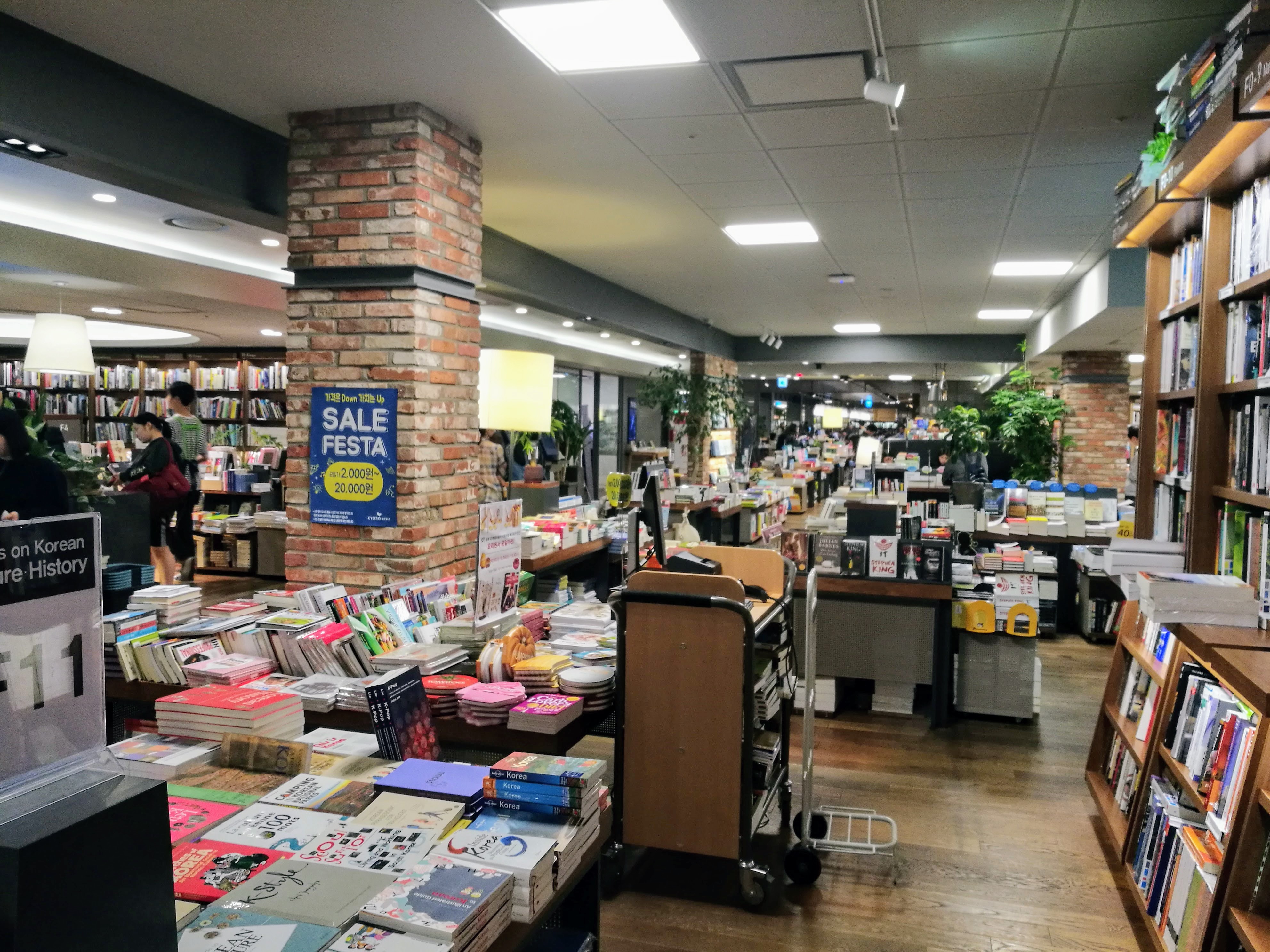
Script books for movies and dramas are seeing a surge in popularity across South Korea's publishing market.
This trend reflects a growing desire among audiences to transition from passive viewing to active collecting. By purchasing the written scripts of their favorite series, readers can preserve the emotional impact of a story in a tangible format.
Approximately 50 script books have been released this year [1]. This volume marks a significant increase from 2017, when only four such titles were first released [2]. The growth indicates that what was once a niche interest has evolved into a recognized publishing flow with steady demand.
Industry professionals note that the market has shifted dramatically over the last decade. Im Seoul of Kyobo Bookstore Gwanghwamun said that 10 years ago, script books were limited to only three or four varieties [3]. Now, these publications frequently become best-sellers as fans seek to analyze the structure of their favorite scenes.
Collectors are increasingly drawn to the "script book" (gakbon-jip) format to revisit the specific dialogue and stage directions that define a production. This movement has turned the written word of the screen into a viable commercial product in bookstores like the Gwanghwamun branch of Kyobo Bookstore.
The rise of these books suggests a deeper engagement with storytelling. Readers are no longer content with the final edit of a film or drama—they want to own the blueprint of the narrative.
“Approximately 50 script books have been released this year.”
The shift toward script book consumption indicates a broader trend in South Korean media consumption where the boundary between screen and page is blurring. By treating scripts as literary works, the market is validating the role of the screenwriter as an author, potentially increasing the prestige and commercial value of the writing process itself.