The South Korean government plans to conduct a special audit of the national soccer association after the team failed to reach the World Cup knockout stage [1].
This intervention marks a significant escalation in the public and political fallout following the team's poor performance. The failure has triggered widespread national dissatisfaction, transforming a sporting disappointment into a matter of government oversight.
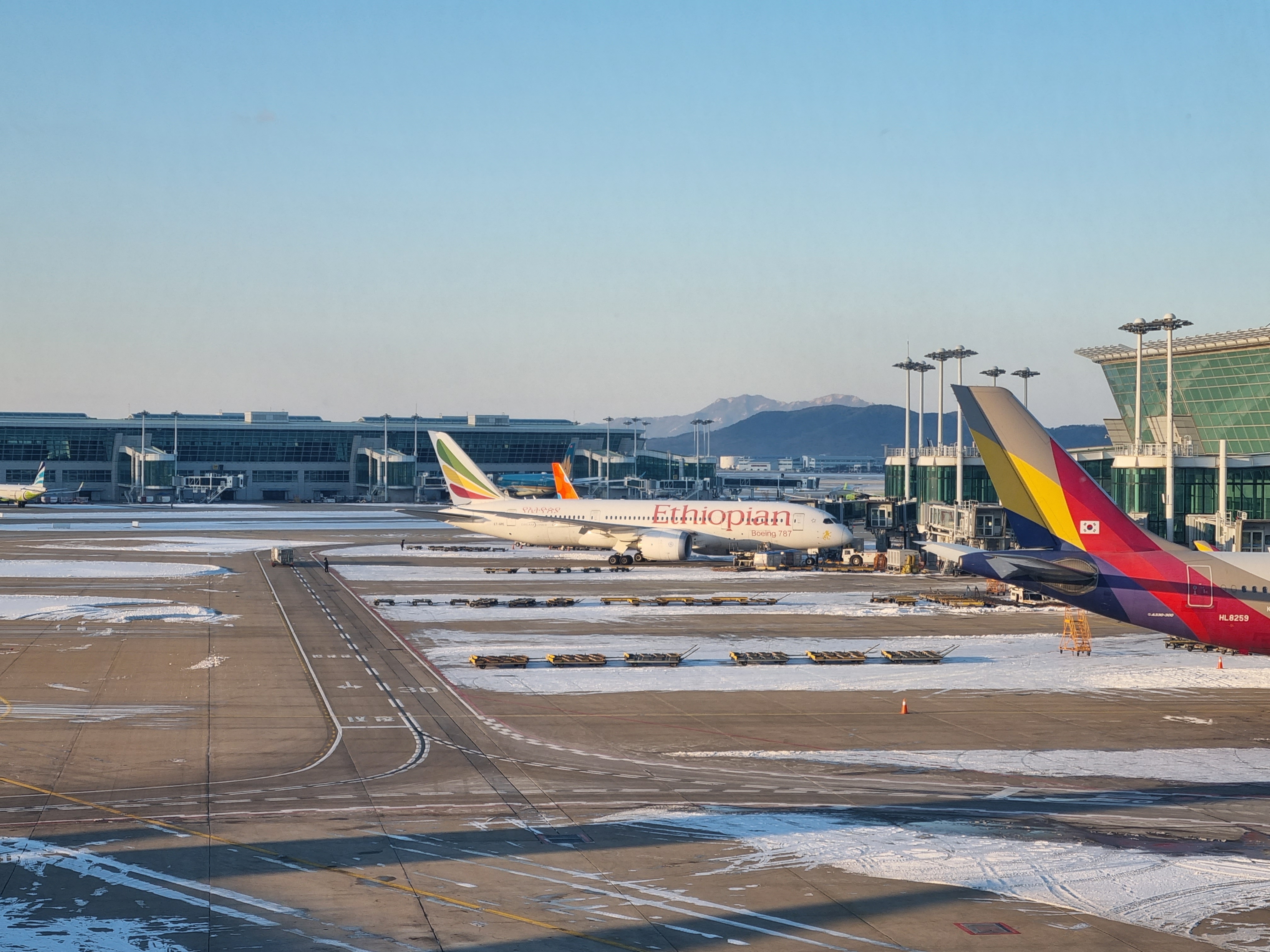
Upon the team's return to Incheon International Airport, the atmosphere was volatile as fans confronted the players and coaching staff [1]. Protesters shouted for the departure of manager Hong Myung-bo, with some crowds chanting, "Hong Myung-bo, get out!" [1].
The intensity of the backlash extended to the official supporters group, known as the Red Devils. A representative from the group said the manager must kneel before the people and leave the soccer world forever [1].
While some reports indicate that Hong Myung-bo has resigned to take responsibility for the exit, other sources suggest he remains in his position [1]. This contradiction reflects the chaotic nature of the current leadership transition within the squad.
The government's decision to launch a special audit focuses on the administration and operation of the soccer association [1]. Officials said they intend to critically verify how the association managed the team and the tournament preparation, citing a betrayal of national expectations [1].
Security personnel were required to manage the crowds at the airport to prevent direct physical confrontations between the angry public and the returning athletes [1].
“"Hong Myung-bo, get out!"”
The government's decision to audit a sports governing body underscores the unique cultural and political weight of soccer in South Korea. When the national team fails on the global stage, it often triggers a systemic review of leadership and governance, treating sporting failure as a failure of public administration.