
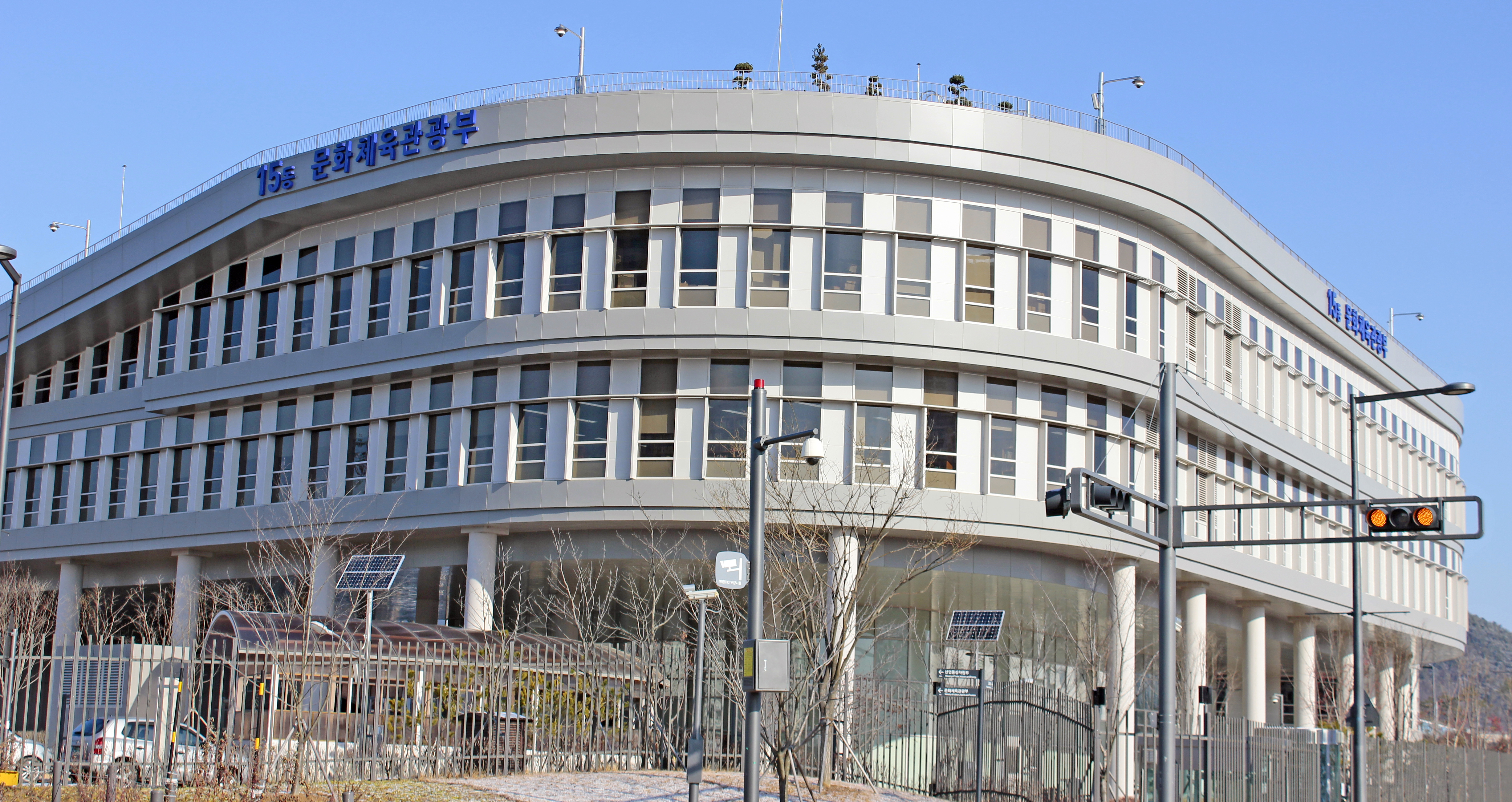
South Korea’s Ministry of Culture, Sports and Tourism and the Korean Film Council (KOFIC) have launched a public-private consultative body to negotiate theatrical windows [1].
The move seeks to stabilize the Korean film distribution structure by establishing a voluntary holdback period before movies move to streaming platforms. This effort aims to protect cinema revenue without waiting for the slow pace of pending legislation [2].
The newly formed consultative body consists of 22 members [1]. This group includes representatives from both the public and private sectors who will work to hammer out the specific terms of the agreement. The primary objective is to secure a six-month theatrical window [2].
Under this proposed framework, films would remain exclusively in theaters for six months before becoming available on digital platforms. Such a window is intended to ensure that cinema operators have sufficient time to maximize ticket sales before the accessibility of streaming reduces audience incentive to visit theaters [3].
Officials and industry leaders said they aim to finalize the voluntary agreement by August 2026 [3]. By opting for a voluntary agreement rather than a legal mandate, the government hopes to reach a consensus that satisfies both the filmmakers and the streaming services. This approach allows the industry to adapt more flexibly to changing consumer habits while maintaining the viability of the theatrical experience [2].
The initiative comes as the global film industry continues to grapple with the shift toward digital distribution. South Korea is attempting to find a middle ground that preserves the cultural importance of the cinema while acknowledging the dominance of streaming services [1].
“The primary objective is to secure a six-month theatrical window”
This initiative represents a strategic shift toward industry self-regulation in South Korea's film sector. By pursuing a voluntary six-month window rather than waiting for legislation, the government is attempting to provide immediate stability to cinema operators while avoiding the political friction of new laws. If successful, this model could serve as a blueprint for other international markets struggling to balance the competing financial interests of traditional theaters and global streaming giants.


