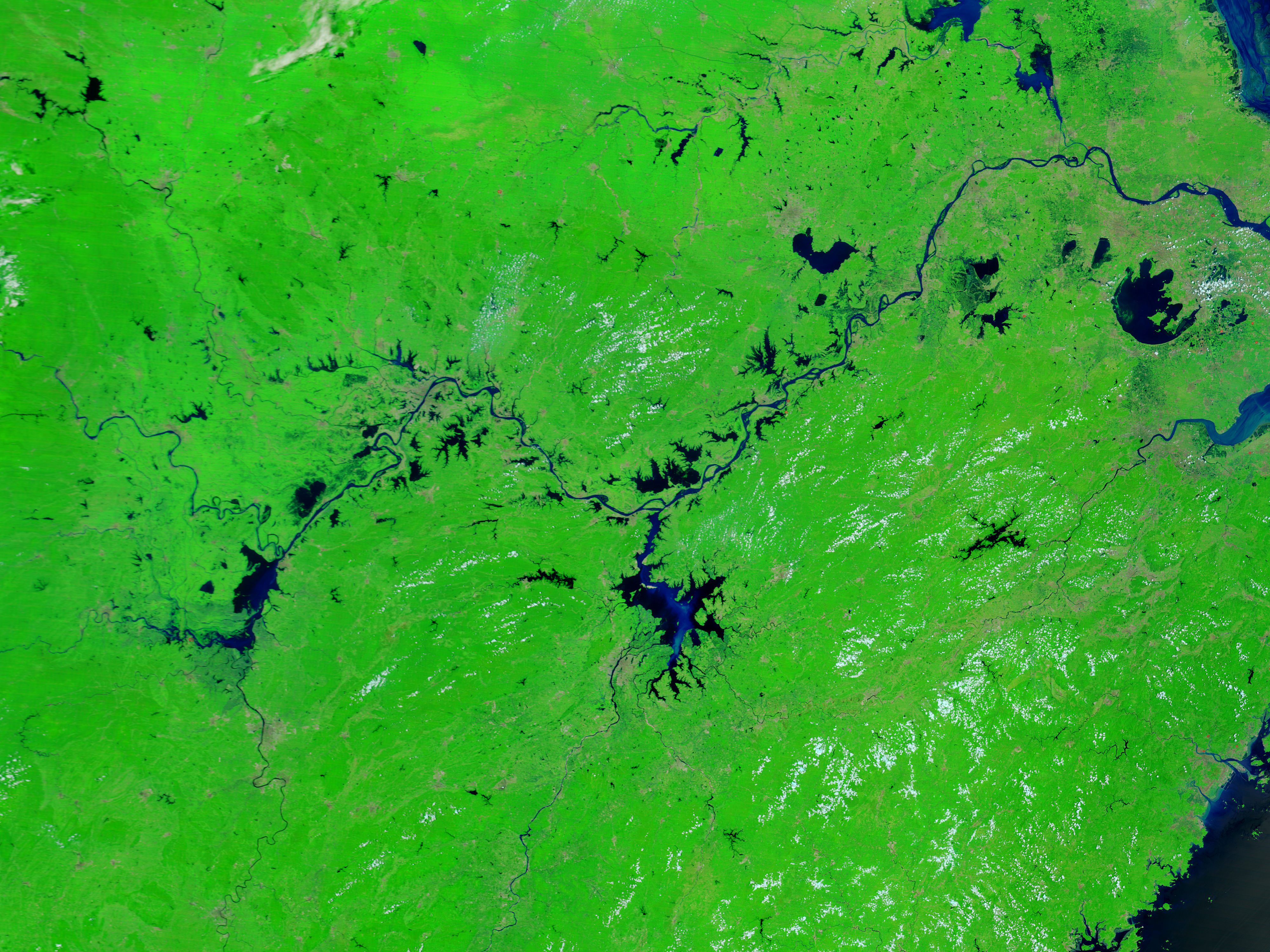
Severe weather in southern China has left at least 15 people dead after a tornado hit Hubei province and floods struck Guangxi [1].
These events demonstrate the volatile nature of weather systems in the region, where a single storm can trigger multiple catastrophic disasters across different provinces.
In Hubei province, a large tornado caused 11 deaths and left one person missing [1]. The intensity of the storm resulted in significant structural damage, with reports indicating that some villages were completely destroyed.
Simultaneously, the Guangxi Zhuang Autonomous Region faced severe flooding. Authorities said four people died and eight are missing in the region [1]. The floods had a massive impact on the local population, affecting more than 90,000 people [1].
Meteorologists said both the tornado and the flooding were linked to Typhoon No. 10 [2]. The weather system had transitioned into an extratropical cyclone before triggering the disasters in southern China [2].
Emergency response teams have been deployed to the affected areas to search for the missing and provide aid to those displaced by the water and wind. The transition of the typhoon into a cyclone expanded its reach, bringing unstable atmospheric conditions to both the mountainous and lowland areas of the two regions.
“A large tornado in Hubei province and severe flooding in Guangxi caused deaths, missing persons, and widespread damage”
The transition of Typhoon No. 10 into an extratropical cyclone illustrates how tropical systems can maintain destructive energy even after losing their primary characteristics. By shifting into a broader, mid-latitude storm system, the weather event was able to generate diverse hazards—ranging from concentrated tornadic winds in Hubei to regional flooding in Guangxi—across a vast geographical area.


