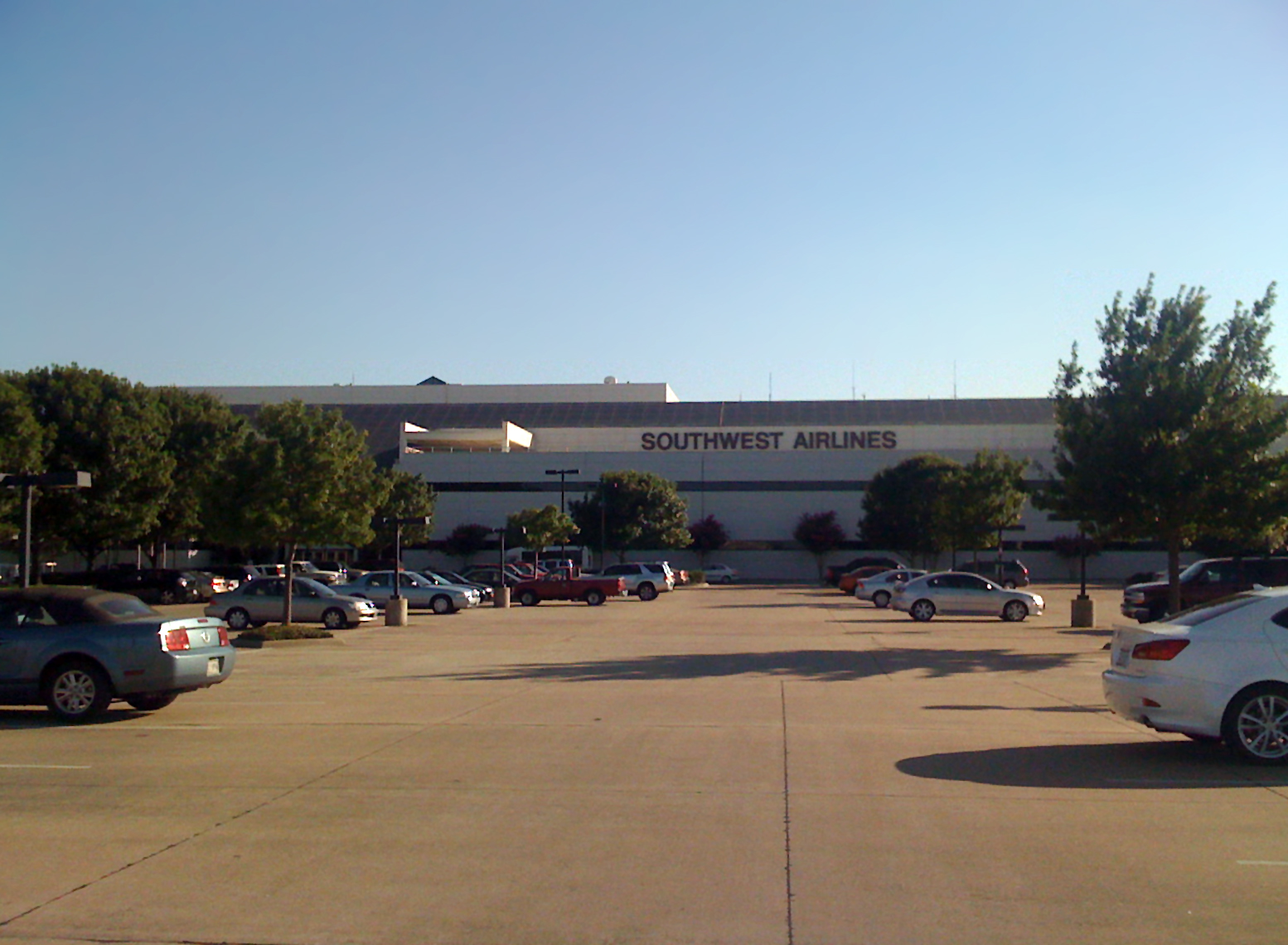
Southwest Airlines has updated its safety guidelines to ban human-like and animal-like robots from aircraft cabins and checked baggage [1].
The policy change establishes a precedent for how airlines handle emerging robotics technology in passenger spaces. As humanoid robots become more accessible to the public, carriers must balance passenger novelty with strict aviation safety protocols.
The ban follows an incident involving a 3.5-foot humanoid robot named "Stewie" [2]. The robot was brought aboard a flight between Las Vegas and Dallas by Aaron Mehdizadeh, the founder of The Robot Studio [1, 3]. While reports differ on the flight's specific direction, the robot was transported between Las Vegas and Dallas Love Field [1, 3].
Southwest announced the policy change two days after the robot flew for the first time [4]. The airline said the ban was necessary to ensure compliance with lithium-ion battery safety guidelines [1, 5].
Under the new rules, the prohibition applies to all flights. This includes both the main cabin, and the checked baggage compartment [1, 5]. The airline's decision highlights the specific risks associated with the large batteries required to power humanoid machines—risks that are more complex than those found in standard consumer electronics.
Mehdizadeh had previously purchased a ticket for the robot companion [3]. However, the airline's rapid shift in policy ensures that similar humanoid or animal-like machines will no longer be permitted as passengers or cargo [1, 5].
“Southwest Airlines has updated its safety guidelines to ban human-like and animal-like robots from aircraft cabins.”
This move signals a proactive approach by aviation carriers to mitigate the fire risks associated with high-capacity lithium-ion batteries found in advanced robotics. As humanoid robots transition from laboratories to consumer products, airlines are likely to implement similar restrictions to avoid the logistical and safety challenges of transporting non-human passengers that cannot follow crew instructions during emergencies.


