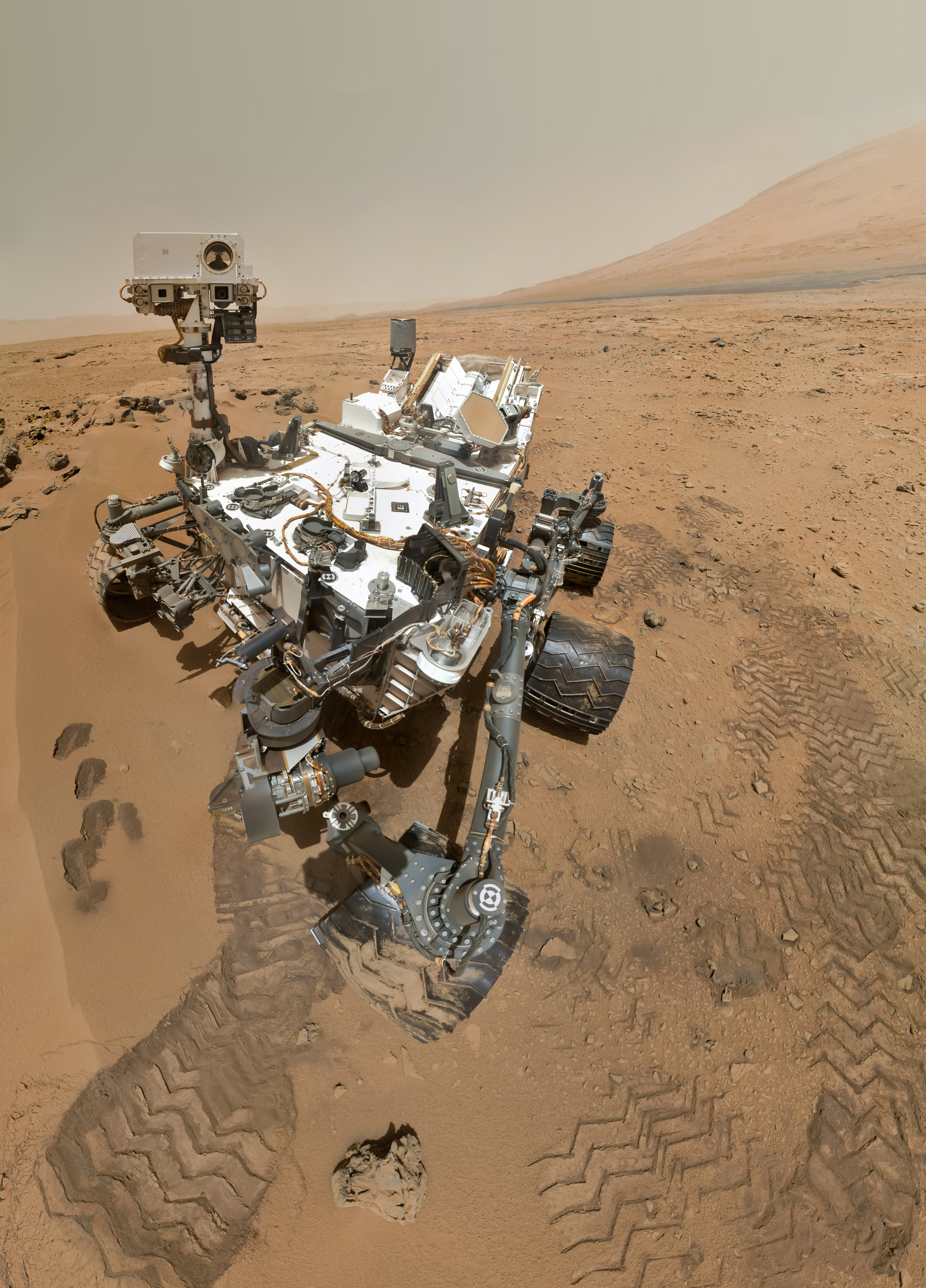
Space agencies and engineers are utilizing a suite of specialized hardware to make deep-space missions and planetary research possible [1].
These technical components are critical because they allow humans and robotic probes to survive the vacuum of space and the extreme temperatures of planetary surfaces. Without this specific engineering, scientific research on other worlds would be impossible [1, 5].
The process begins with launch vehicles, which provide the necessary thrust to escape Earth's gravity. Once in space, orbiters are used to study planets from above, while landers and rovers allow for direct interaction with the surface of bodies like the Moon [1].
Protection is a primary concern for mission safety. Heat shields are essential for protecting spacecraft during atmospheric reentry, preventing the vehicle from incinerating as it returns to Earth [2].
To sustain long-term operations, engineers are also developing power-satellite systems [3]. These systems provide the energy required to keep instruments running in environments where traditional power sources may fail.
These combined technologies allow agencies to conduct scientific research and explore other worlds [1]. This development cycle often leads to the creation of new technologies that can eventually be applied to problems on Earth [5].
“Space missions depend on a suite of specialised hardware, including launch vehicles, orbiters, landers, and rovers.”
The reliance on a diverse array of specialized hardware indicates that space exploration is no longer about a single vehicle, but an integrated ecosystem of technology. By diversifying tools, such as combining orbiters for mapping with rovers for sampling, agencies can maximize the scientific yield of each mission while mitigating the risks associated with the harsh lunar and planetary environments.


