
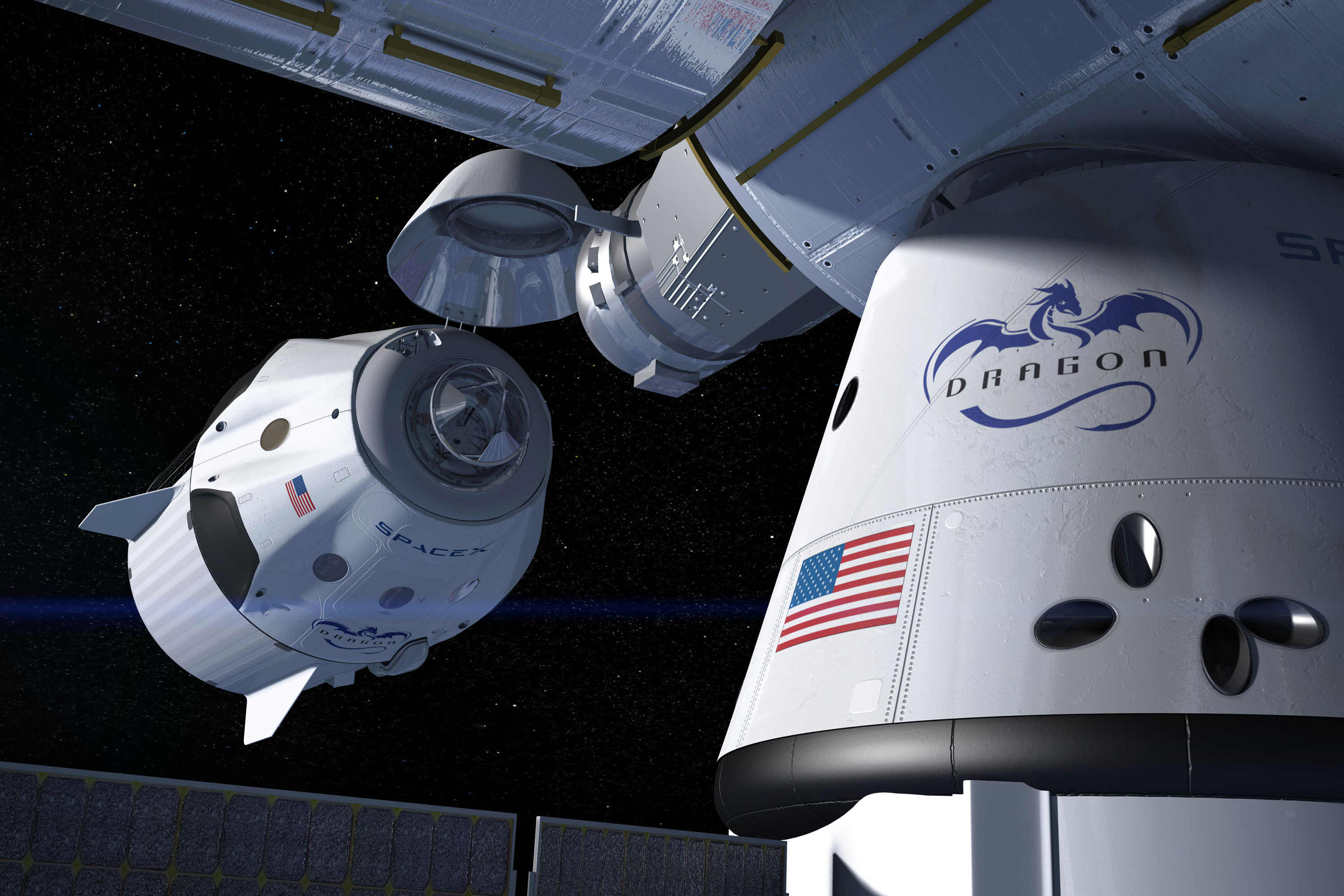
Astronaut Sophie Adenot shared a timelapse video showing the SpaceX CRS-34 cargo spacecraft docking with the International Space Station on May 17 [1].
The footage highlights the precision required for autonomous resupply missions, which are critical for maintaining life support and scientific research in low-Earth orbit.
Captured from the station's Cupola module, the video shows the spacecraft approaching the orbital complex during orbit 1,644 [1]. This event occurred on day 106 of the mission [1]. The docking maneuver took place while both the station and the cargo vessel were traveling at 28,000 km/h around the Earth [1].
"Isn’t it amazing to think that this docking manoeuvre takes place while flying at 28,000 km/h around the Earth?" Adenot said.
In the shared footage, a blurred dot is visible in the center of the frame. Adenot said this was a micrometeoroid impact on the Cupola window, though she noted the mark had been present for a long time [1].
The CRS-34 mission serves as a primary logistics link, delivering essential supplies to the crew. Such missions ensure the continuous operation of the station by rotating hardware and providing fresh provisions, a necessity for long-duration human spaceflight.
Detailed orbital tracking and precise velocity synchronization are required to ensure the spacecraft connects securely without damaging the station's exterior. The timelapse provides a visual record of this synchronization process as the cargo ship closes the distance to the docking port [1].
“this docking manoeuvre takes place while flying at 28,000 km/h around the Earth”
The successful docking of the CRS-34 mission underscores the reliability of SpaceX's autonomous cargo systems. The mention of a micrometeoroid impact on the Cupola window also serves as a reminder of the constant environmental hazards present in low-Earth orbit, where small particles of space debris or rock can strike the station at extreme velocities.


