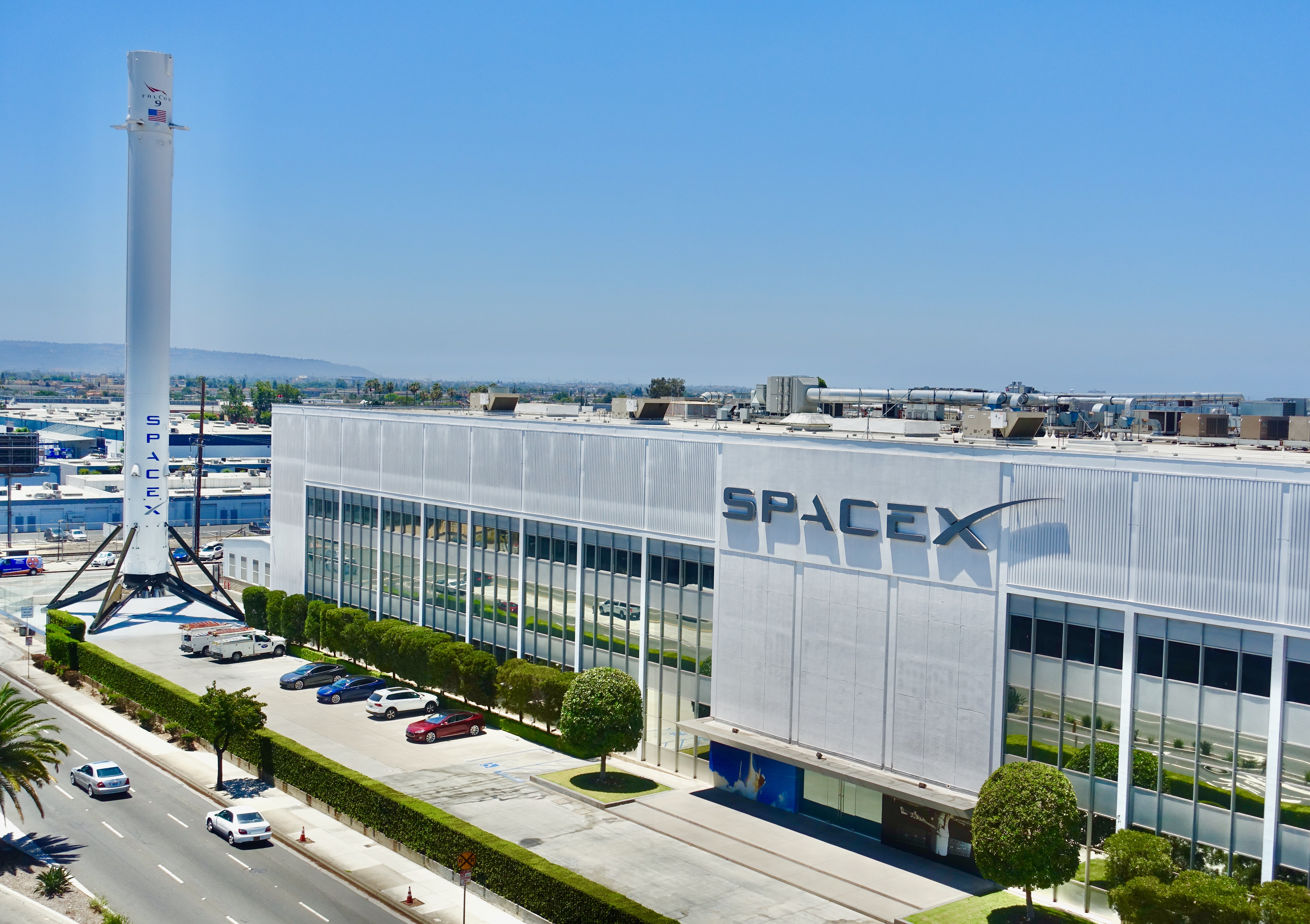
SpaceX reported a 92% jump in revenue [1] during its first quarterly earnings report as a public company on Tuesday.
The results highlight the financial tension between SpaceX's rapid commercial growth and the massive costs required to fund Elon Musk's vision for Mars colonization and AI integration.
Despite beating expectations, the company's stock dropped 8% [3] following the announcement. The decline followed a volatile trading day where shares had previously rallied by about 10% [3]. This downward trend leaves the stock approximately 16% lower than its first-day closing price [3].
A primary driver of investor concern was the company's spending. SpaceX reported a capital-expenditure surge of $18 billion [3]. These expenditures are intended to support the infrastructure needed for long-term interplanetary goals, and advanced technology development.
Market anticipation for the report was high, though confidence in a positive outcome was mixed. Prediction markets had previously placed the chance of SpaceX beating estimates at 31.5% [4]. Additionally, short-interest levels were high, with reports indicating that 95% of available shares had been shorted [4] leading up to the release.
Elon Musk said the company's financial strategy prioritizes the scaling of its launch capabilities and the expansion of its satellite networks. The current spending levels reflect the transition from a private venture to a public entity tasked with maintaining high growth while managing the costs of deep-space exploration.
“SpaceX reported a 92% jump in revenue during its first quarterly earnings report.”
The market's reaction suggests a disconnect between SpaceX's operational success and its capital requirements. While a 92% revenue increase indicates strong demand for its services, the $18 billion in capital expenditures signals that the cost of achieving Mars colonization may outweigh short-term profitability in the eyes of public shareholders.