
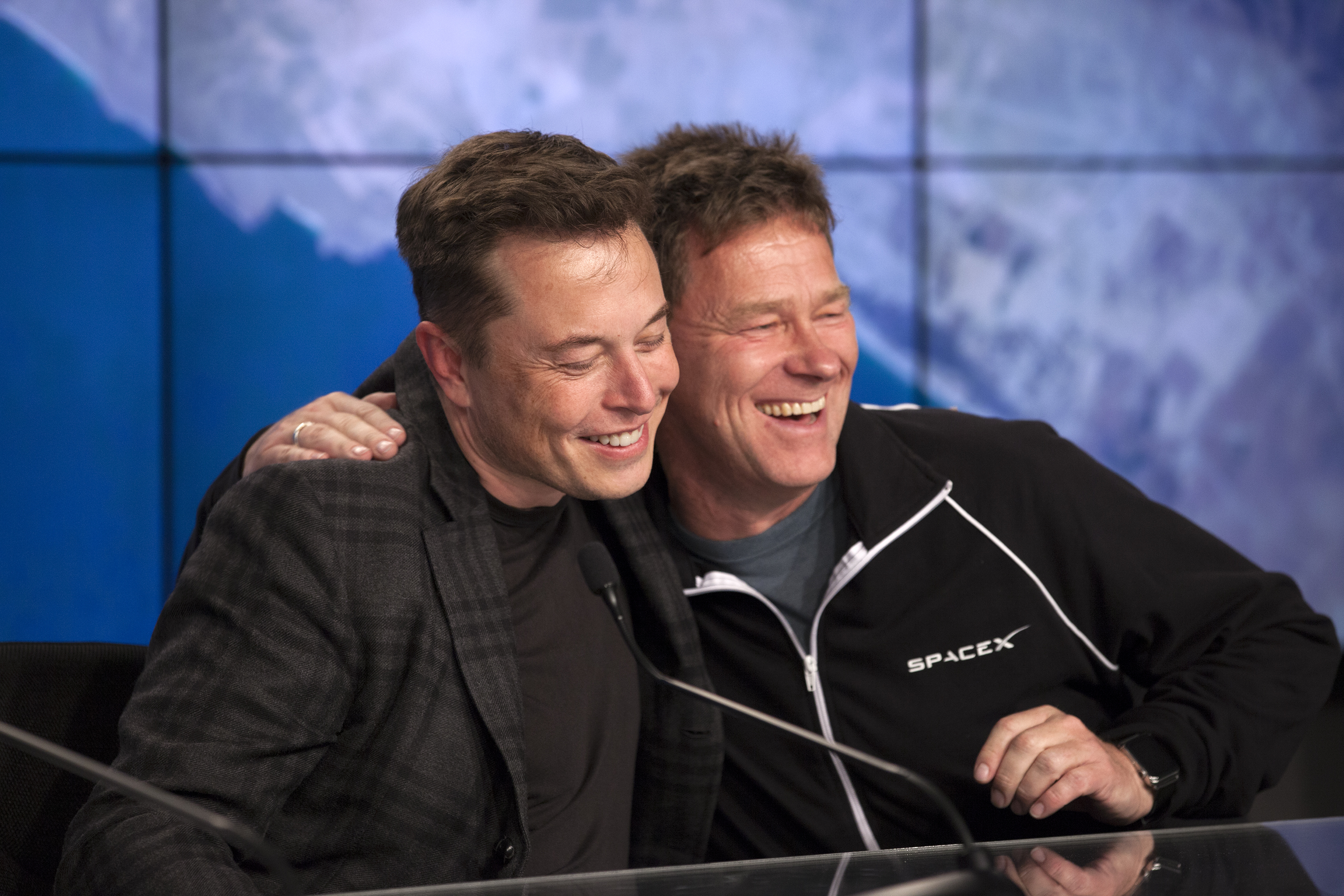
SpaceX is expected to launch a megacap initial public offering on July 7, 2026 [4].
The move marks the transition of Elon Musk's private spaceflight company to the public market, potentially creating one of the largest IPOs in history. Because of the company's massive valuation and the influence of Musk, analysts said that non-institutional investors may face extreme price volatility.
Valuation estimates for the offering vary among financial analysts. Some projections place the IPO valuation at $1.5 trillion or higher [1], while other justifications suggest a figure of $1.75 trillion [2]. Prediction markets have gone further, indicating a 62% probability that the company will close above a $2 trillion market capitalization on its first day of trading [3].
Retail investors may access shares through platforms such as Fidelity, Robinhood, and Charles Schwab [5]. However, market experts said that a newly revamped rule for megacap IPOs could trigger a short-term price spike on the first day, a phenomenon that could trap retail buyers who enter at the peak.
While the prospect of skyrocketing shares is enticing, the risk remains high. The combination of a high initial valuation and the inherent volatility of Musk-led ventures has led some advisors to say that retail investors stay out of the IPO entirely.
SpaceX has long operated as a private entity, funding its ambitious goals of Mars colonization and satellite deployment through private funding rounds. The shift to the Nasdaq will provide the company with significant liquidity but will also subject its operations to the scrutiny of public quarterly reporting.
“SpaceX is expected to launch a megacap initial public offering on July 7, 2026”
The SpaceX IPO represents a pivotal shift in the aerospace industry, moving a dominant private player into the public eye. The disparity between the $1.5 trillion and $2 trillion valuation markers highlights the speculative nature of the company's growth. For the broader market, this event tests new regulatory rules for megacap offerings and whether retail platforms can protect individual investors from the volatility typical of Musk's public ventures.


