Retail investors have submitted more than $100 billion [1] in buy-orders for the upcoming initial public offering of SpaceX.
This surge in demand reflects a broader investor appetite for the emerging space economy and AI-driven growth. The volume of interest suggests a significant market shift as individual investors seek exposure to high-growth aerospace ventures previously reserved for institutional firms.
Bloomberg News said that the retail demand has reached record levels as share allocations tighten [1]. This frenzy has extended beyond the direct IPO, with the launch of 11 leveraged SpaceX ETFs [3] and various options trading to accommodate the influx of capital.
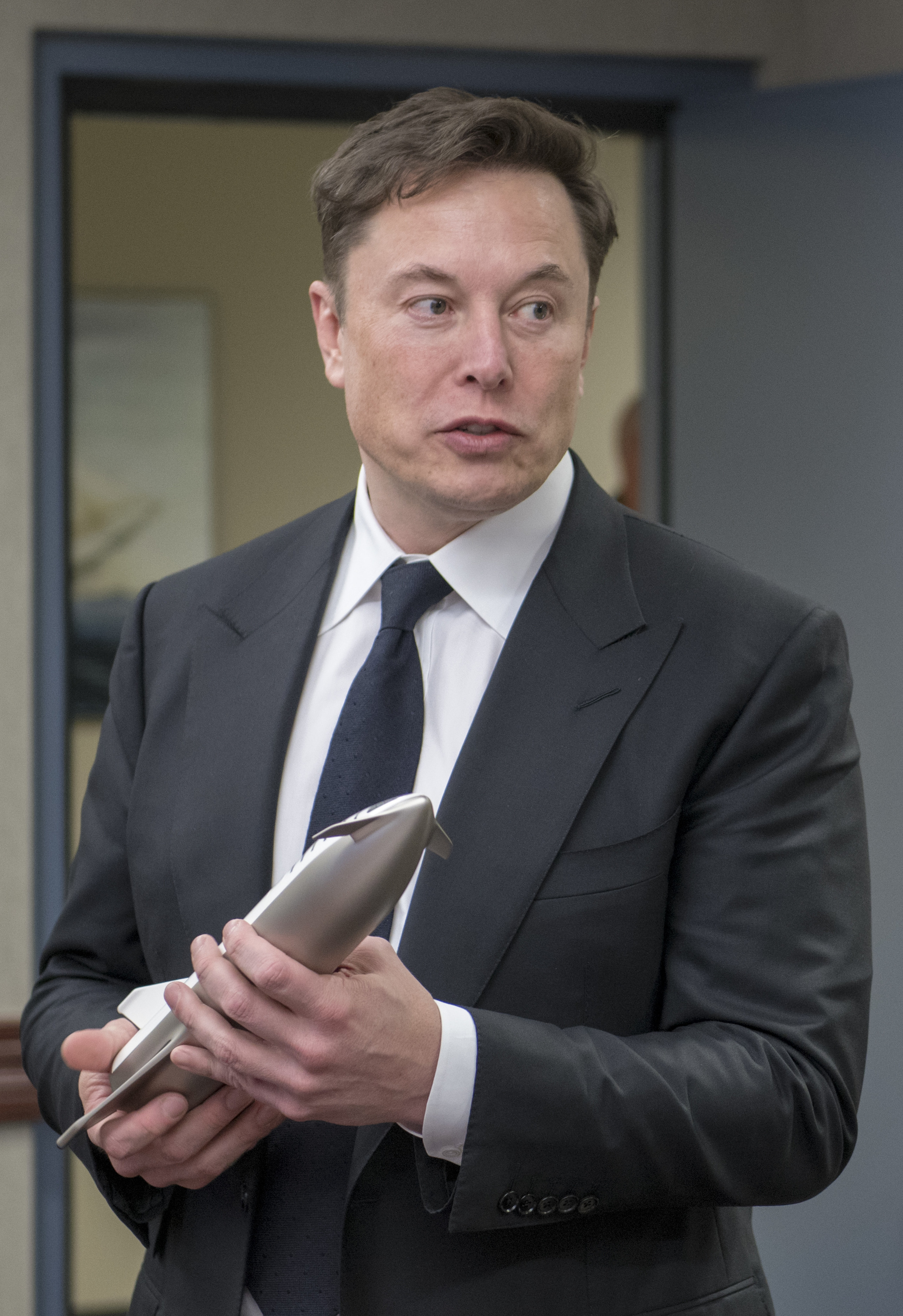
Much of the optimism is tied to the leadership and projections of Elon Musk. Musk said the company "might be able to reach approximately" $1 trillion [2] in revenue by 2030.
Investors are increasingly buoyed by the prospect of a trillion-dollar space economy [2]. The combination of satellite internet expansion, and deep-space exploration goals has positioned SpaceX as a primary vehicle for those betting on the next frontier of industrial growth.
While the IPO process continues, the scale of the retail orders indicates a high level of confidence in the company's ability to scale its operations. The market is currently reacting to the intersection of Musk's vision and the tangible growth of the global space sector [2].
“Retail investors have submitted more than $100 billion in orders for shares.”
The unprecedented retail interest in SpaceX indicates that the 'space economy' has moved from a speculative niche to a mainstream investment theme. By targeting a $1 trillion revenue goal by 2030, SpaceX is attempting to redefine the valuation metrics for aerospace companies, shifting the focus from traditional government contracting to a diversified, commercial-scale ecosystem.