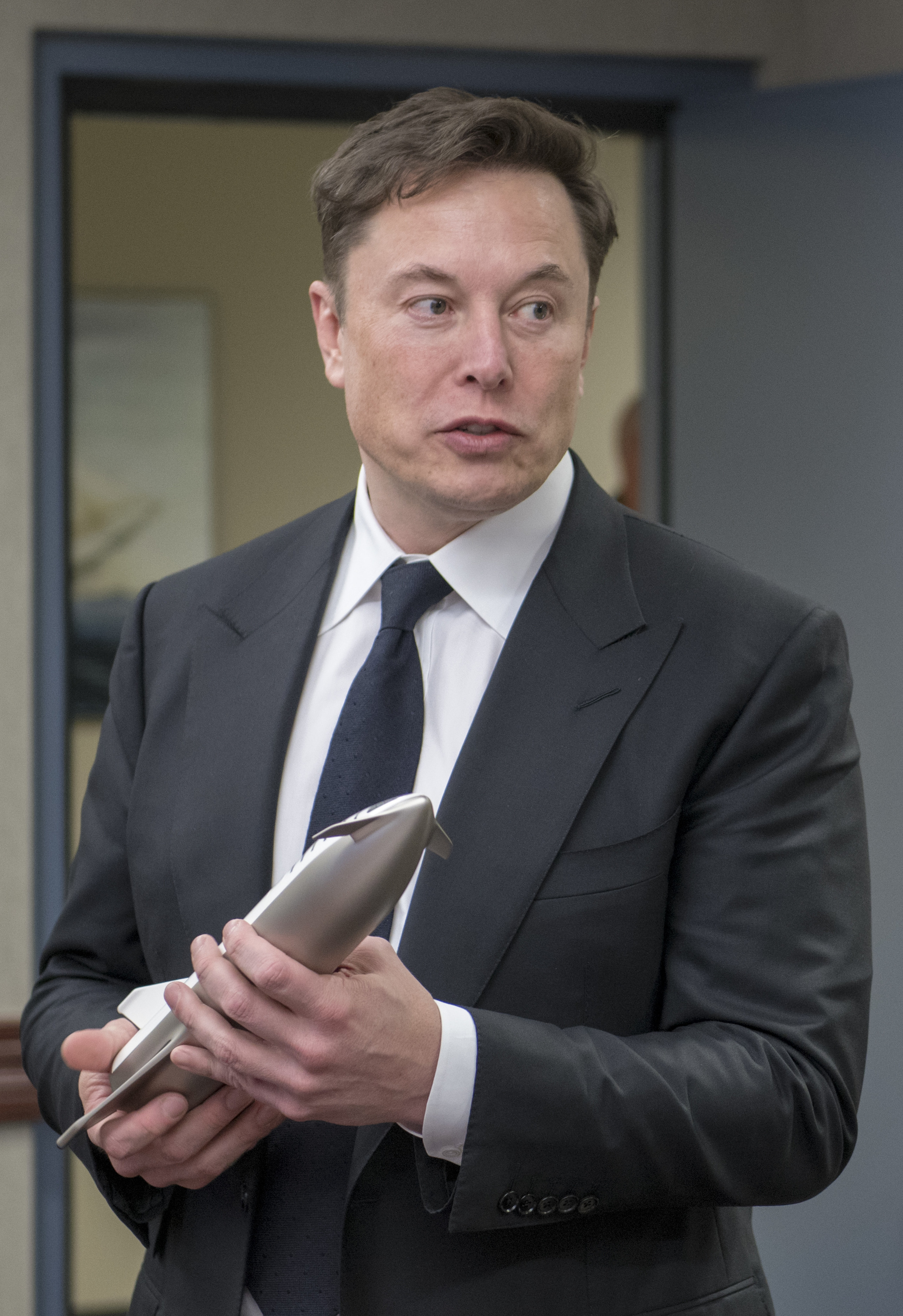
Elon Musk is urging retail investors to purchase shares in the upcoming SpaceX initial public offering [1, 2].
The move signals a shift toward broad ownership for the aerospace company, but it arrives amid warnings from analysts regarding the volatility of high-valuation debuts.
Shares will be listed on U.S. exchanges and made available through retail platforms including Fidelity, Robinhood, and Charles Schwab [2]. The IPO could occur as early as June 12, 2026 [4]. Musk said he wants a wide base of small investors to own a piece of the company [1].
Institutional interest remains high. BlackRock is weighing an investment between $5 billion and $10 billion in the IPO [3]. This scale of institutional backing often provides a floor for stock prices, yet analysts suggest that the sheer size of the offering creates unique risks.
Market experts have cautioned that the excitement surrounding high-profile launches can be misleading. One analyst said, "history shows mega IPOs often stumble after launch-day excitement" [1]. These warnings center on valuation risk, where the initial price may not reflect long-term sustainable growth.
Retail investors typically access such offerings through the aforementioned brokerage platforms [2]. While Musk promotes the opportunity for individual ownership, the gap between institutional strategy and retail speculation often widens during the first days of trading on public exchanges.
“"history shows mega IPOs often stumble after launch-day excitement"”
The transition of SpaceX from a private entity to a public company introduces a tension between Musk's goal of democratized ownership and the historical trend of 'mega-IPOs' overextending their valuations. If the stock lists at a premium driven by retail enthusiasm, it may face significant downward pressure once the initial hype subsides and the company is judged by quarterly public earnings reports.

'%2F%3E%0A%20%20%20%20%3Crect%20width%3D'1600'%20height%3D'900'%20fill%3D'url(%23v)'%2F%3E%0A%20%20%20%20%3Cg%20opacity%3D'0.08'%20fill%3D'%23ffffff'%3E%0A%20%20%20%20%20%20%3Ccircle%20cx%3D'1420'%20cy%3D'180'%20r%3D'220'%2F%3E%0A%20%20%20%20%20%20%3Ccircle%20cx%3D'1500'%20cy%3D'760'%20r%3D'120'%2F%3E%0A%20%20%20%20%3C%2Fg%3E%0A%20%20%20%20%3Cline%20x1%3D'80'%20y1%3D'172'%20x2%3D'220'%20y2%3D'172'%20stroke%3D'%23ffffff'%20stroke-width%3D'3'%20stroke-opacity%3D'0.6'%2F%3E%0A%20%20%20%20%3Ctext%20x%3D'80'%20y%3D'140'%20font-family%3D'Inter%2C%20-apple-system%2C%20Helvetica%2C%20sans-serif'%20font-weight%3D'700'%20font-size%3D'28'%20fill%3D'%23ffffff'%20letter-spacing%3D'6'%3EHANNA%20%C2%B7%20NEWS%3C%2Ftext%3E%0A%20%20%20%20%3Ctext%20x%3D'80'%20y%3D'230'%20font-family%3D'Inter%2C%20-apple-system%2C%20Helvetica%2C%20sans-serif'%20font-weight%3D'600'%20font-size%3D'40'%20fill%3D'%23ffffffb3'%20letter-spacing%3D'4'%3EBUSINESS%3C%2Ftext%3E%0A%20%20%20%20%3Ctext%20x%3D'80'%20y%3D'622'%20font-family%3D'Playfair%20Display%2C%20Georgia%2C%20serif'%20font-weight%3D'800'%20font-size%3D'86'%20fill%3D'%23ffffff'%20letter-spacing%3D'-1'%3ESalman%20Rushdie%20Receives%3C%2Ftext%3E%3Ctext%20x%3D'80'%20y%3D'721'%20font-family%3D'Playfair%20Display%2C%20Georgia%2C%20serif'%20font-weight%3D'800'%20font-size%3D'86'%20fill%3D'%23ffffff'%20letter-spacing%3D'-1'%3ELiberatum%20Cultural%20Honour%20in%3C%2Ftext%3E%3Ctext%20x%3D'80'%20y%3D'820'%20font-family%3D'Playfair%20Display%2C%20Georgia%2C%20serif'%20font-weight%3D'800'%20font-size%3D'86'%20fill%3D'%23ffffff'%20letter-spacing%3D'-1'%3ELondon%3C%2Ftext%3E%0A%20%20%20%20%3Ctext%20x%3D'80'%20y%3D'870'%20font-family%3D'Inter%2C%20-apple-system%2C%20Helvetica%2C%20sans-serif'%20font-weight%3D'500'%20font-size%3D'22'%20fill%3D'%23ffffff66'%20letter-spacing%3D'2'%3Enews.hanna-ai.com%3C%2Ftext%3E%0A%20%20%3C%2Fsvg%3E)
