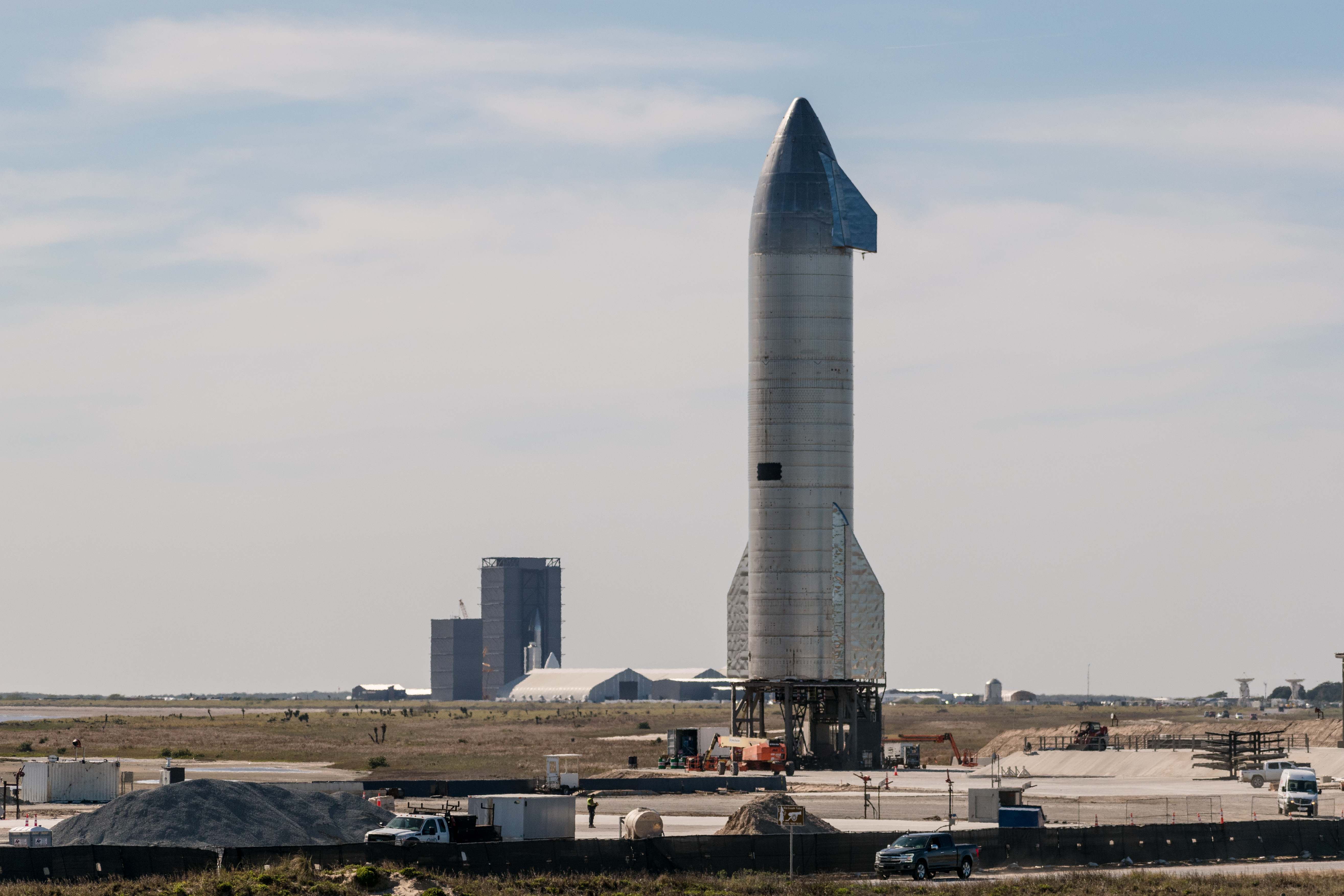
SpaceX shares fell Friday after an engine ignition failure forced the company to abort a Starship test flight on Thursday [5, 6].
The failure is significant because it occurs as the company faces mounting pressure from an upcoming NASA deadline. The resulting market volatility has pushed the stock price below its initial public offering level for two consecutive days [3, 4].
In pre-market trading on Friday, shares declined by about four percent [3]. This dip contributed to a broader downward trend for the aerospace company, with its stock cratering nearly 23% since it joined the Nasdaq-100 [5]. The financial impact of the aborted launch was severe, wiping out more than $1 trillion in market value [1].
The stock has now fallen below its IPO price of $135 [6]. This represents a critical threshold for investors who have tracked the company's performance since it began trading publicly.
Elon Musk said the company will make another attempt "hopefully in a few days" [7]. The scrub of the flight, identified as Flight 13, was triggered by the ignition failure that prevented the rocket from leaving the pad [2, 5].
While SpaceX has a history of iterative testing and rapid prototyping, the timing of this failure is particularly sensitive. The company is operating under a strict timeline to meet lunar mission requirements for NASA, and repeated delays could jeopardize those contracts [2, 6].
“Market value falls by more than $1 trillion”
The intersection of technical failure and public market volatility exposes the risk of SpaceX's transition from a private entity to a publicly traded company. While the 'fail fast' approach is standard for Starship development, shareholders are now reacting to delays in real-time, creating a tension between engineering timelines and market expectations.

