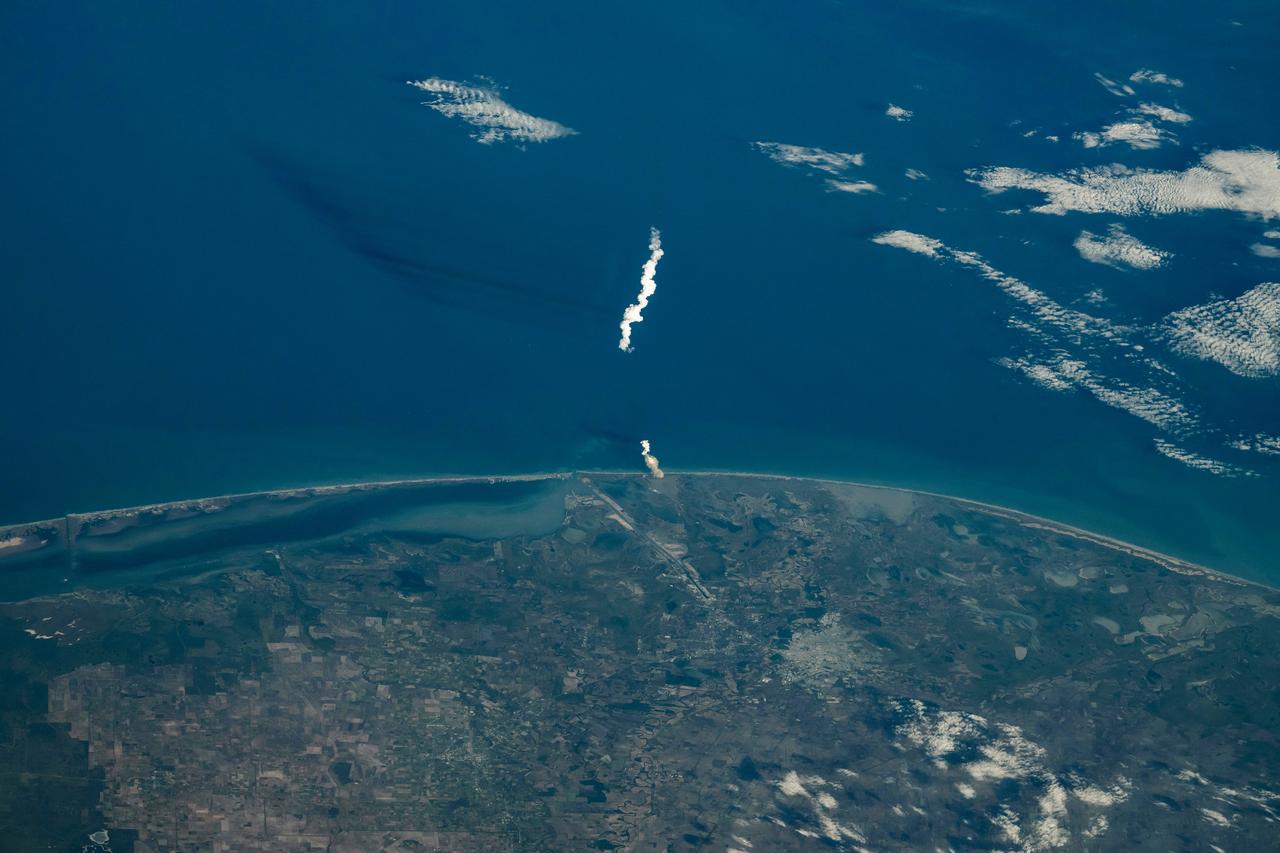
SpaceX's Starship rocket successfully completed Flight 13 on Friday, July 24, 2026, performing its first water landing in the Indian Ocean [1, 3].
The successful soft splashdown [7] marks a critical milestone in the development of the massive launch vehicle. By proving the rocket can survive atmospheric re-entry and land precisely in the ocean, SpaceX moves closer to its goal of fully reusable spacecraft for orbital missions [2, 5].
The rocket, which stands 14 stories tall [2], launched from the SpaceX facility in Boca Chica, South Texas [1, 4]. This mission served as a primary test of the vehicle's ability to handle the extreme heat and pressure of returning to Earth's atmosphere before hitting the water [5].
While most reports date the event to July 24 [3], some outlets reported the splashdown occurred on July 25 [4]. SpaceX said the mission was "lucky number 13" [1].
This flight represents the first major test of the Starship system since the company's initial public offering [3]. The mission focused on refining the landing sequence, a necessary step before the company attempts to catch the booster using mechanical arms at the launch site.
The Indian Ocean was selected as the target for the splashdown to ensure the vehicle remained clear of populated areas during its descent [1]. The soft landing confirms that the Starship's flight control systems can maintain stability during the final seconds of flight [7].
“Starship performed its first water landing in the Indian Ocean.”
The transition from uncontrolled crashes to a controlled soft splashdown indicates that SpaceX has solved primary stability issues during re-entry. This capability is the prerequisite for the eventual goal of landing the vehicle on a pad, which would drastically reduce the cost of space travel by eliminating the need to build a new rocket for every mission.


