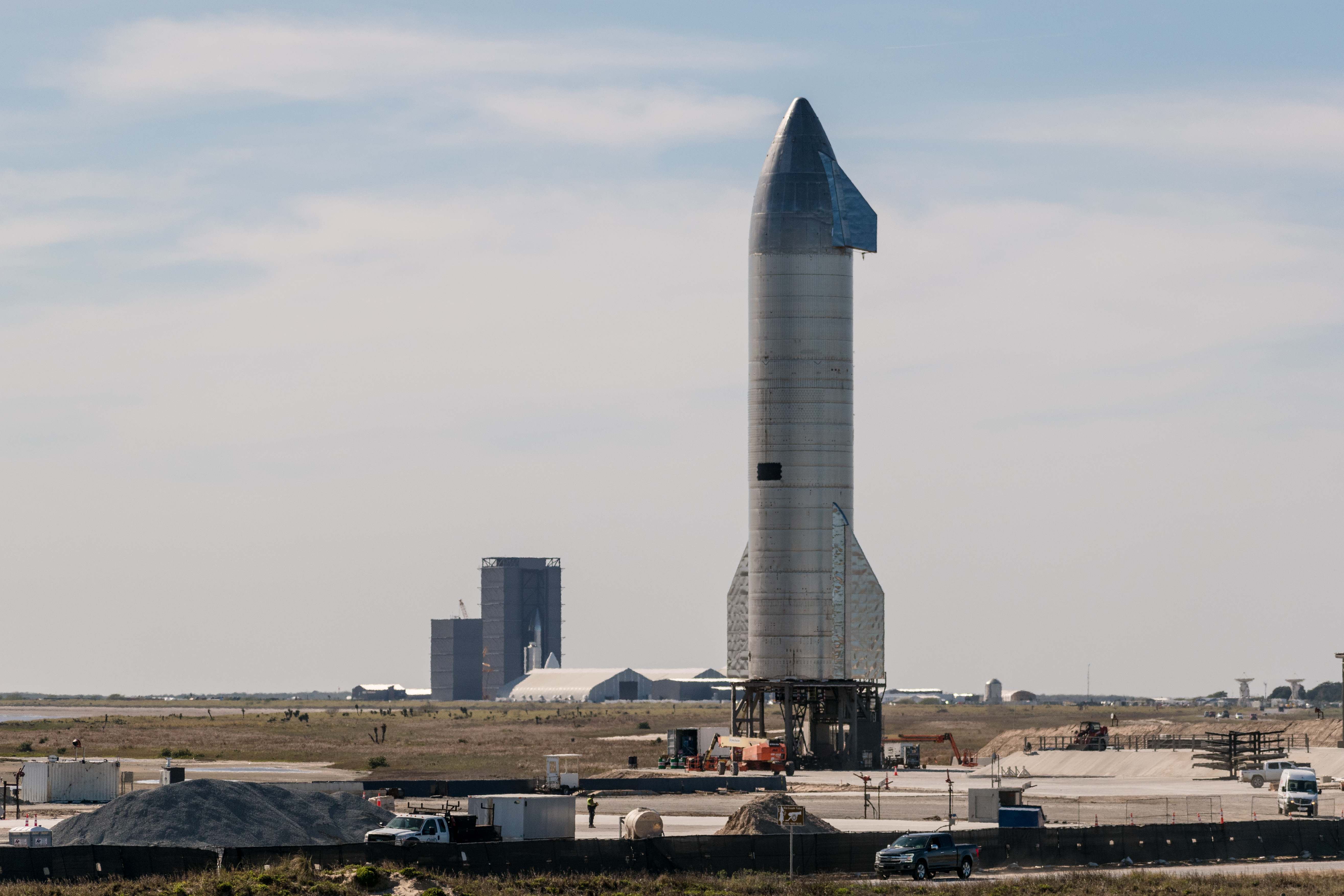
SpaceX launched its upgraded Starship V3 on its 12th uncrewed test flight Friday evening, May 22, 2026 [1], [2].
The mission represents a critical step in increasing the frequency of Starlink satellite deployments and supporting NASA's Artemis moon missions [4], [5]. By testing the V3 iteration, SpaceX aims to refine the vehicle's reliability and payload capacity for deep-space exploration.
The rocket lifted off from the Starbase test site in South Texas at 5:30 p.m. local time [2], [3]. This timing corresponds to 6:30 p.m. EDT and 2230 GMT [2]. The flight marked the debut of the Starship V3 version, which features significant upgrades over previous prototypes [4].
Following the ascent and orbital phases, the mission concluded with splashdowns in the Indian Ocean [1], [6]. Reports indicate the Starship ended its flight in a planned explosion after the controlled splashdown [1]. While some reports focused on the booster's fate, the overall mission profile was designed to test the limits of the new hardware through a destructive conclusion [1], [7].
The launch occurred amid significant corporate shifts for the company. According to NPR, the flight took place two days after Elon Musk said he planned to take SpaceX public [5]. Other reports suggested the launch occurred three weeks before an initial public offering, though the specific timeline of the IPO remains a point of contradiction in available reporting [5], [8].
This 12th flight continues a rapid iterative testing cycle. SpaceX utilizes these uncrewed missions to identify failure points in real-time, allowing the company to implement engineering changes between flights without risking crew members.
“The mission represents a critical step in increasing the frequency of Starlink satellite deployments.”
The transition to the V3 architecture suggests SpaceX is moving from basic flight viability to operational optimization. Successful execution of these upgrades is essential for NASA's Artemis program, as the Starship is intended to serve as the human landing system for the moon. Furthermore, the timing of this flight relative to a potential public offering indicates a strategic effort to demonstrate technical maturity to future investors.

'%2F%3E%0A%20%20%20%20%3Crect%20width%3D'1600'%20height%3D'900'%20fill%3D'url(%23v)'%2F%3E%0A%20%20%20%20%3Cg%20opacity%3D'0.08'%20fill%3D'%23ffffff'%3E%0A%20%20%20%20%20%20%3Ccircle%20cx%3D'1420'%20cy%3D'180'%20r%3D'220'%2F%3E%0A%20%20%20%20%20%20%3Ccircle%20cx%3D'1500'%20cy%3D'760'%20r%3D'120'%2F%3E%0A%20%20%20%20%3C%2Fg%3E%0A%20%20%20%20%3Cline%20x1%3D'80'%20y1%3D'172'%20x2%3D'220'%20y2%3D'172'%20stroke%3D'%23ffffff'%20stroke-width%3D'3'%20stroke-opacity%3D'0.6'%2F%3E%0A%20%20%20%20%3Ctext%20x%3D'80'%20y%3D'140'%20font-family%3D'Inter%2C%20-apple-system%2C%20Helvetica%2C%20sans-serif'%20font-weight%3D'700'%20font-size%3D'28'%20fill%3D'%23ffffff'%20letter-spacing%3D'6'%3EHANNA%20%C2%B7%20NEWS%3C%2Ftext%3E%0A%20%20%20%20%3Ctext%20x%3D'80'%20y%3D'230'%20font-family%3D'Inter%2C%20-apple-system%2C%20Helvetica%2C%20sans-serif'%20font-weight%3D'600'%20font-size%3D'40'%20fill%3D'%23ffffffb3'%20letter-spacing%3D'4'%3EWORLD%3C%2Ftext%3E%0A%20%20%20%20%3Ctext%20x%3D'80'%20y%3D'622'%20font-family%3D'Playfair%20Display%2C%20Georgia%2C%20serif'%20font-weight%3D'800'%20font-size%3D'86'%20fill%3D'%23ffffff'%20letter-spacing%3D'-1'%3EEl%20Salvador%20Seizes%20Record%3C%2Ftext%3E%3Ctext%20x%3D'80'%20y%3D'721'%20font-family%3D'Playfair%20Display%2C%20Georgia%2C%20serif'%20font-weight%3D'800'%20font-size%3D'86'%20fill%3D'%23ffffff'%20letter-spacing%3D'-1'%3E6.68%20Tonnes%20of%20Cocaine%20in%3C%2Ftext%3E%3Ctext%20x%3D'80'%20y%3D'820'%20font-family%3D'Playfair%20Display%2C%20Georgia%2C%20serif'%20font-weight%3D'800'%20font-size%3D'86'%20fill%3D'%23ffffff'%20letter-spacing%3D'-1'%3EPacific%20Ocean%3C%2Ftext%3E%0A%20%20%20%20%3Ctext%20x%3D'80'%20y%3D'870'%20font-family%3D'Inter%2C%20-apple-system%2C%20Helvetica%2C%20sans-serif'%20font-weight%3D'500'%20font-size%3D'22'%20fill%3D'%23ffffff66'%20letter-spacing%3D'2'%3Enews.hanna-ai.com%3C%2Ftext%3E%0A%20%20%3C%2Fsvg%3E)
