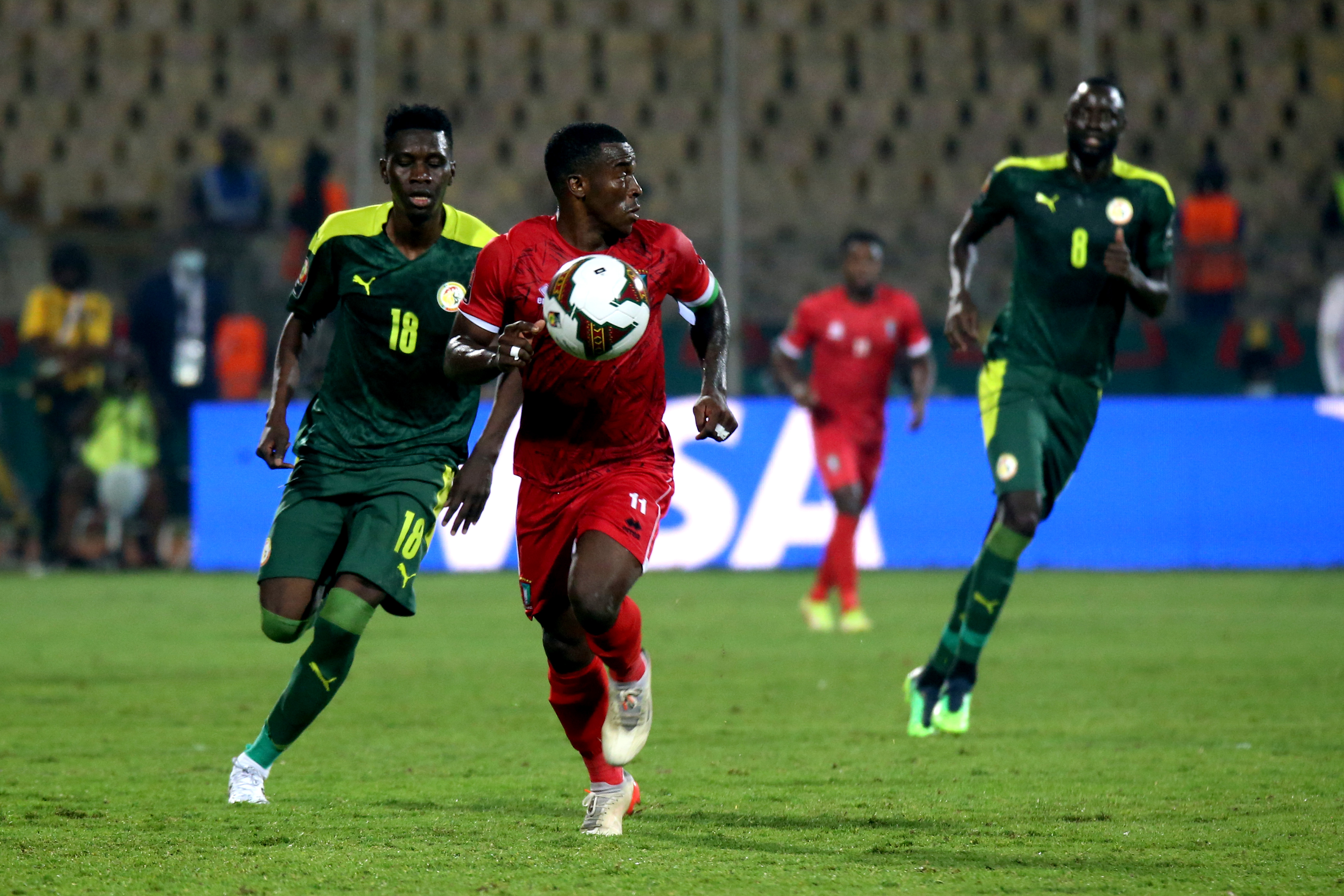
Spain played to a 0-0 draw [1] against Cape Verde on Monday during the group stage of the 2026 FIFA World Cup.
The result is a setback for a Spanish side expected to dominate the tournament, as it highlights potential vulnerabilities in their offensive execution and physical conditioning.
Coach Luis de la Fuente addressed the team's performance following the match. He said Spain "lacked freshness" [1], suggesting that fatigue played a role in the team's inability to secure a victory. This lack of energy appeared to manifest as a struggle to break through the opposing defense.
For Cape Verde, the match represented a historic milestone. The team earned a point in their first appearance [2] at a FIFA World Cup, holding one of the tournament favorites to a scoreless stalemate.
Analysis of the match shows a divide in how Spain's offensive effort was perceived. Some observers said the draw exposed lingering concerns over a lack of cutting edge in attack [3]. However, other reports suggested the dynamic shifted late in the game, stating the attack changed once Lamine Yamal entered [4].
Despite the late spark provided by Yamal, Spain was unable to find the back of the net. The stalemate leaves the team needing a strong performance in their subsequent group matches to ensure advancement to the knockout stages. De la Fuente's comments regarding the team's shape and energy levels indicate that recovery, and tactical adjustments, will be the primary focus heading into the next fixture.
“"Spain lacked freshness"”
A scoreless draw against a debutant nation suggests that Spain may be struggling with the physical demands of the tournament or a lack of clinical finishing. While the introduction of Lamine Yamal provided a tactical shift, the overall lack of 'freshness' cited by the coach indicates a systemic issue with energy levels that could be exploited by higher-ranked opponents in the group stage.