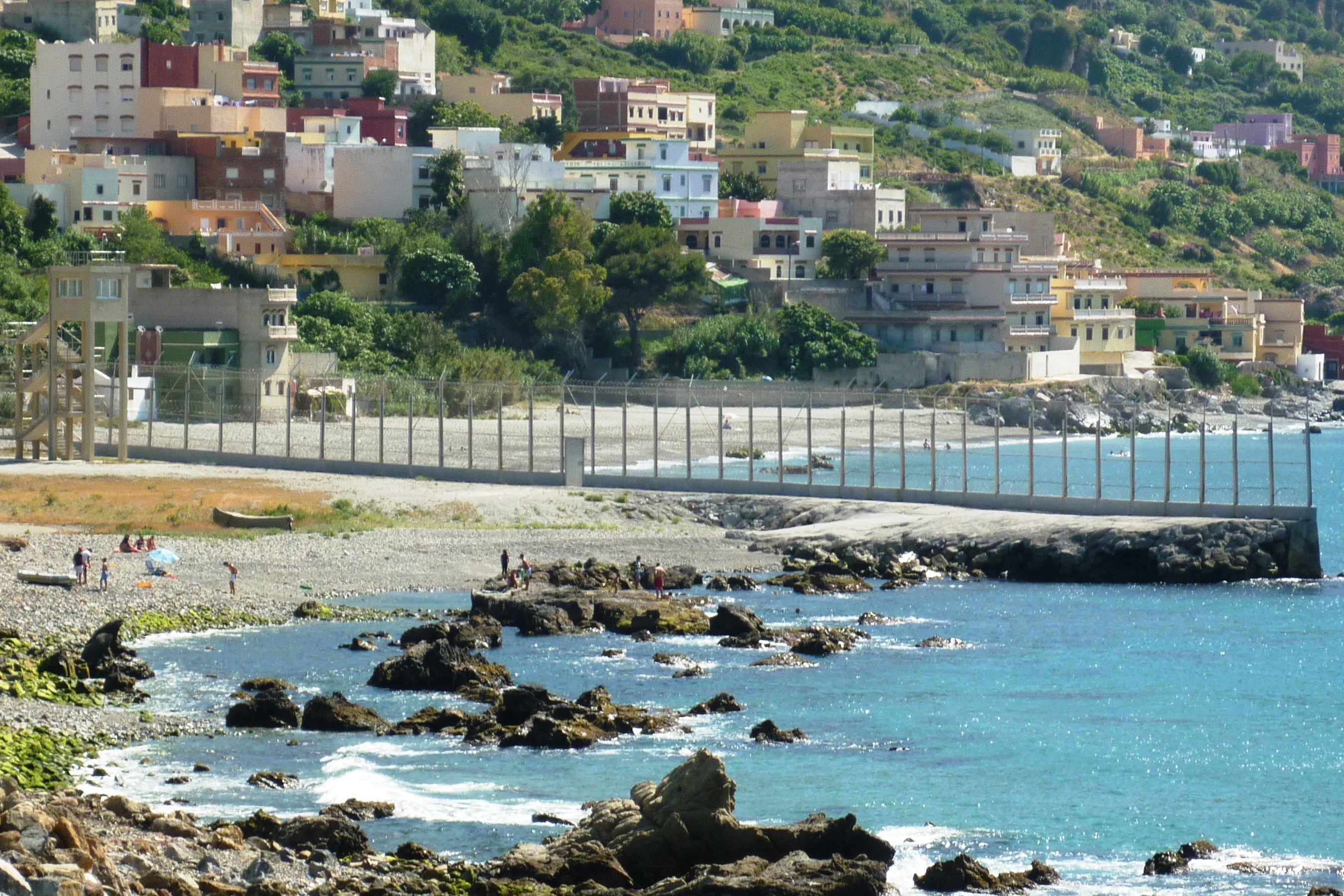
The Spanish government installed a 500-meter floating barrier off the coast of Ceuta on Aug. 1 to block sea crossings from Morocco [1, 2, 3].
This move signals a hardening of border security in response to an unprecedented surge of migrants attempting to enter the Spanish enclave. The escalation comes as the European Union continues discussions on how to protect its external borders from irregular migration.
The barrier was deployed following a period of instability at the border. While authorities reported a calm night prior to the installation, the region has been gripped by a crisis involving thousands of migrants rushing the border [3, 4]. Other reports indicate that tens of thousands of migrants have crossed back [4].
The human cost of the current border crisis has been severe. The death toll has reached 67 [5, 6].
Ceuta is a Spanish enclave located on the north coast of Africa, bordering Morocco. The installation of the containment fence is intended to strengthen the maritime border, and prevent further dangerous sea crossings [1, 3, 4]. Spanish authorities are utilizing the barrier as a primary tool to manage the flow of people attempting to reach European soil via the Mediterranean [1, 2].
This measure follows a pattern of increased surveillance and physical obstructions at the land border. The floating barrier adds a maritime layer to the security infrastructure, aiming to deter migrants from attempting the short but perilous journey across the water [1, 3].
“The death toll has reached 67.”
The deployment of a floating barrier in Ceuta reflects a shift toward more aggressive physical deterrence at the EU's external borders. By blocking maritime routes, Spain is attempting to close a gap in its security perimeter, but such measures often push migrants toward more dangerous routes or increase the pressure on land-based checkpoints, potentially escalating the humanitarian risk in the region.