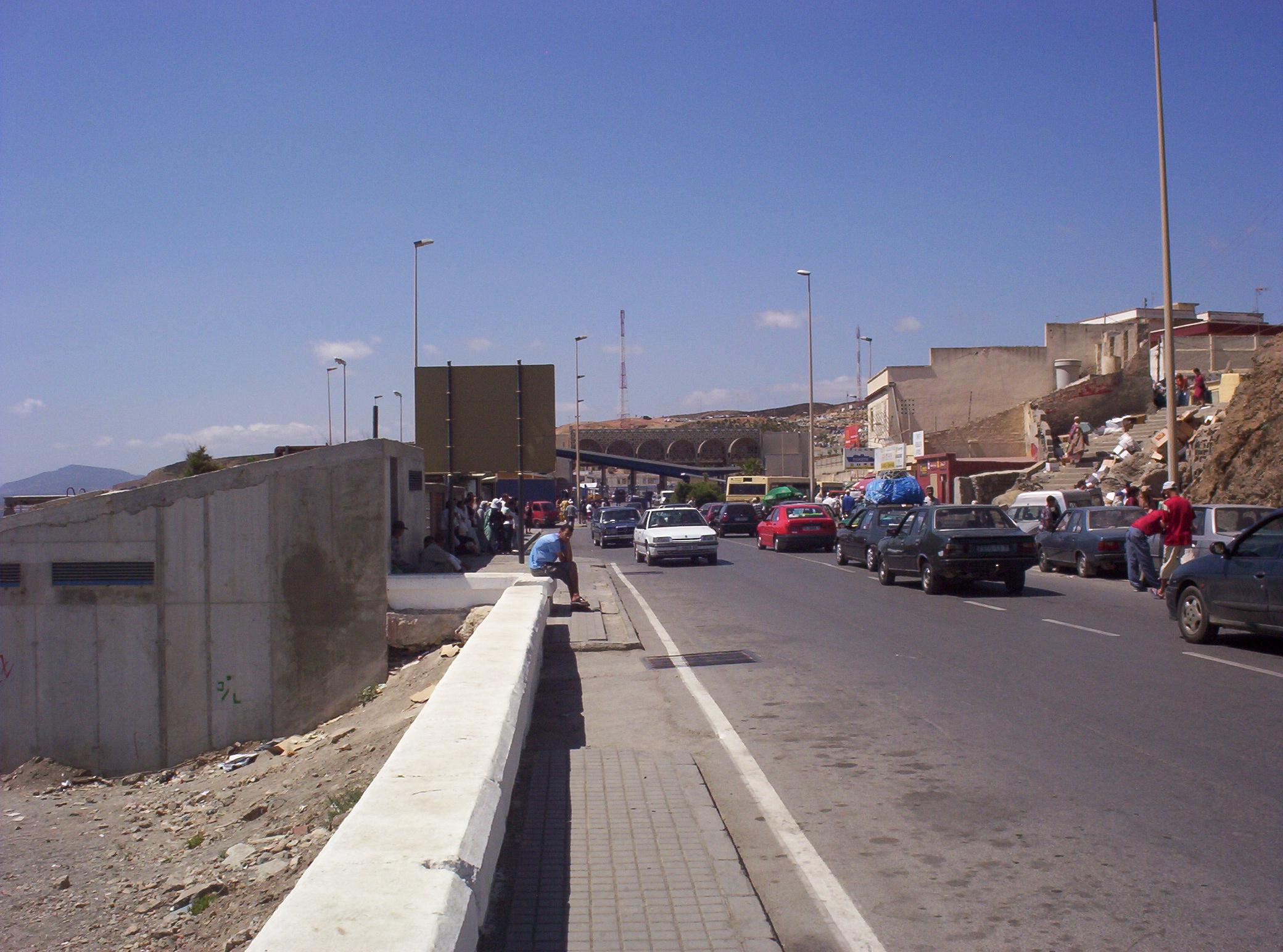
Spanish authorities are returning migrants to Morocco following a massive surge of people crossing into the enclave of Ceuta this week [1].
The incident marks a severe escalation in regional migration tensions and a humanitarian crisis on the North African coast. The scale of the influx has forced Spain to deploy military reinforcements to secure the border and accelerate deportation processes [1], [2].
Reports on the scale of the breach vary among sources. Some accounts state that nearly 50,000 migrants crossed into the enclave in a single day [2], while other reports place the number at approximately 60,000 [3]. These figures represent an unprecedented movement of people attempting to enter Spanish territory from Morocco.
The rush resulted in significant loss of life. While some reports cited at least nine deaths [4] or 18 deaths [5], other reports indicate the toll rose to 57 people [1]. The discrepancies in death tolls highlight the chaotic nature of the border breach and the difficulty of verifying casualties in real-time.
Spain has responded by reinforcing the border fence and increasing security presence to prevent further unauthorized entries. Authorities said the measures are necessary to curb the security crisis. Many of the migrants who successfully entered Ceuta are now being processed for return to Morocco [1], [2].
Security forces from both Spain and Morocco have been active at the crossing points to manage the flow of people. The operation to return migrants is ongoing as the Spanish government seeks to stabilize the enclave's perimeter [1].
“Spain reinforced the border and accelerated deportations after an unprecedented influx of migrants.”
The volatility of the Ceuta border reflects the fragile diplomatic balance between Spain and Morocco regarding migration management. The wide variance in casualty and crossing numbers suggests a breakdown in coordinated reporting during the crisis. By prioritizing rapid deportations and military reinforcement, Spain is signaling a hardline security approach to deter future mass breaches, potentially complicating humanitarian efforts for asylum seekers in the region.


