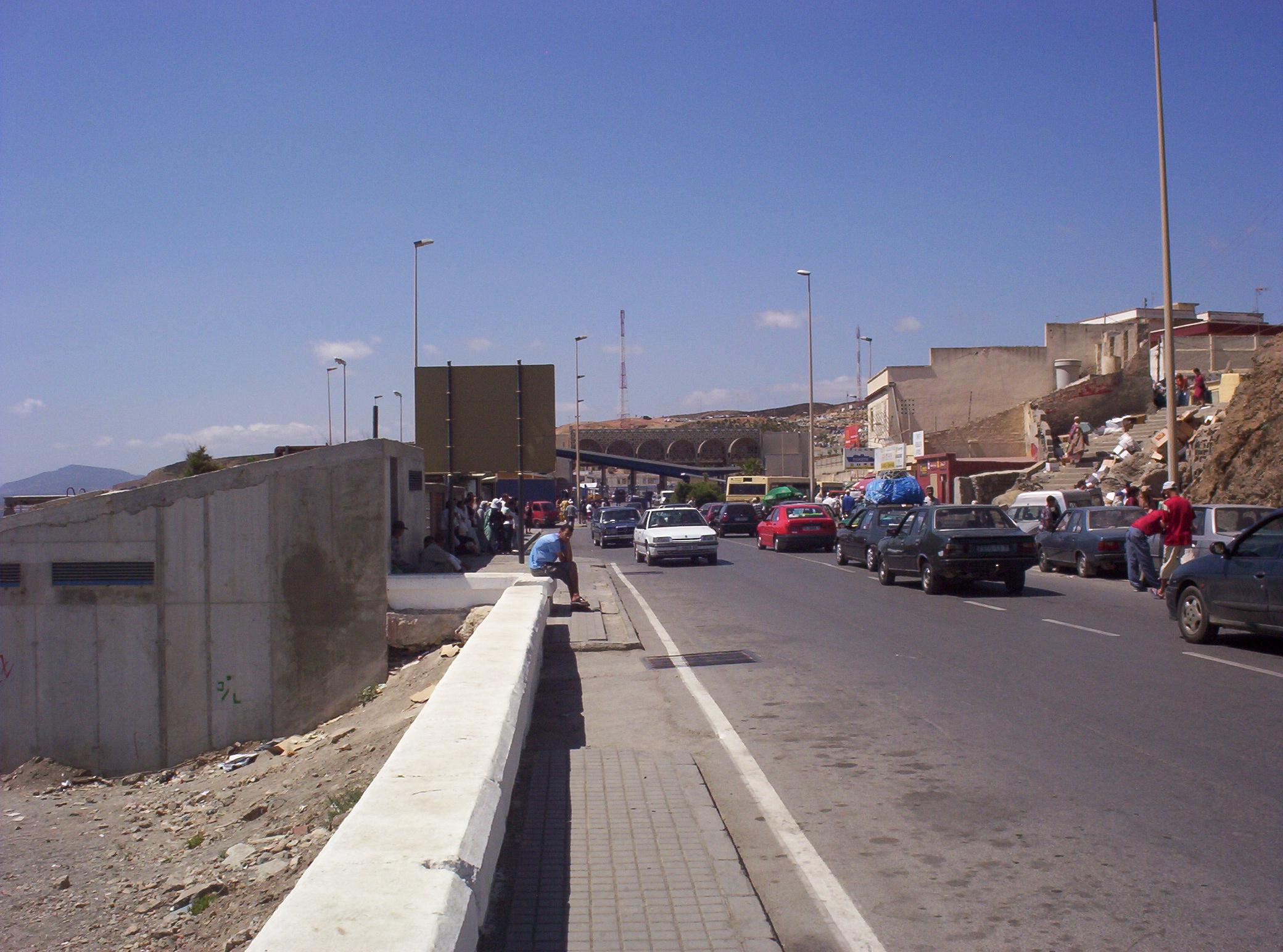
Spain has deployed military troops to the North African enclave of Ceuta after tens of thousands of migrants crossed the border from Morocco this week.
The surge creates an immediate humanitarian and security emergency for the Spanish government. It also intensifies political pressure on European border policies as authorities struggle to manage the volume of people attempting to enter the European Union.
Reports on the scale of the crossing vary. Some sources said approximately 40,000 people entered the enclave [1], while others said the number is as high as 60,000 [2]. Recent data indicates that nearly 50,000 migrants crossed the border within a single 24-hour period [3].
The crisis has resulted in significant loss of life. While some reports list at least 34 deaths [4], other sources said the death toll has risen to 57 [5].
Prime Minister Pedro Sánchez and the interior minister have coordinated the response, including the deployment of troops to secure the enclave. The Spanish government is working to stabilize the border and provide emergency assistance to those who entered.
Some migrants have already left the territory. Approximately 37,500 people have voluntarily returned to Morocco [6].
The Spanish authorities continue to monitor the border fence to prevent further breaches. The situation remains volatile as humanitarian teams attempt to provide medical aid, and shelter to those remaining in the enclave.
“Spain has deployed military troops to the North African enclave of Ceuta”
This crisis underscores the fragility of the border agreement between Spain and Morocco. The scale of the breach suggests a breakdown in border controls or a sudden shift in migrant push factors, forcing Spain to utilize military assets for domestic security. The discrepancy in casualty and crossing numbers reflects the chaotic nature of the event and the difficulty of real-time tracking during a mass migration surge.