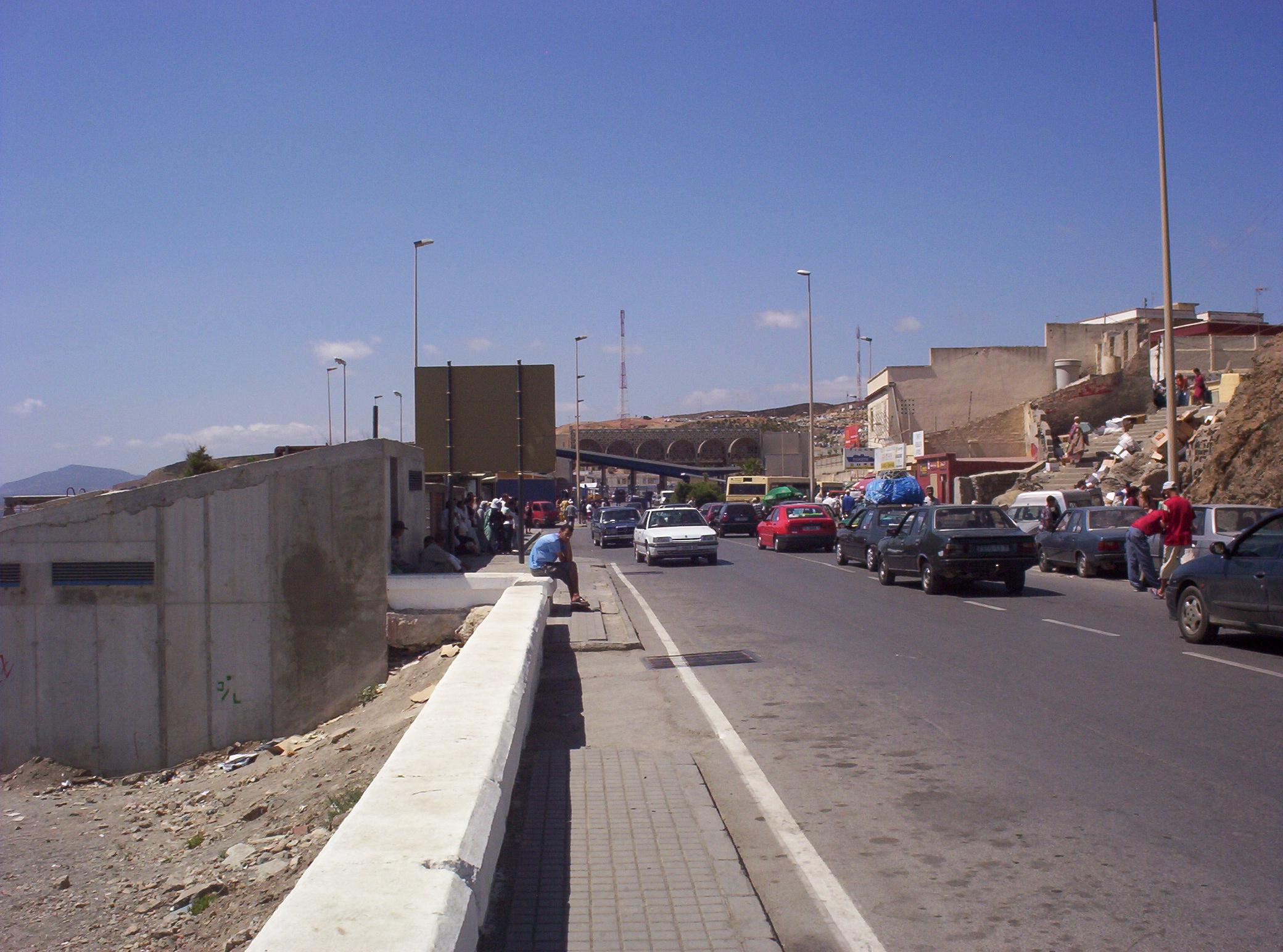
Spanish Prime Minister Pedro Sánchez said the mass crossing of approximately 60,000 migrants [1] into Ceuta was "a violation of Spain’s territorial integrity."
The surge of people into the North African exclave threatens to destabilize diplomatic relations between Spain and Morocco. This event marks a significant escalation in border tensions and highlights the precarious humanitarian conditions facing those attempting to enter the European Union.
Thousands of migrants crossed from Morocco into the Spanish enclave on Thursday and Friday [2]. The crossings resulted in a significant loss of life, though reports on the exact toll vary. Some sources report 34 deaths [2], while others state at least 57 people died [3]. Other reports indicate more than a dozen fatalities [4].
Sánchez said the event was a violation of the country's territorial integrity [1]. The Spanish government has not yet detailed the specific security measures it will implement to prevent further crossings, though the scale of the movement has put immense pressure on the border infrastructure.
Migrants are reported to be fleeing difficult conditions within Morocco [5]. The enclave of Ceuta, located on the North African coast, serves as one of the few land borders between the African continent and the EU. The sudden influx of 60,000 people [1] has overwhelmed local authorities and emergency services.
Spain is now facing a dual crisis of maintaining national security and managing a humanitarian emergency. The disparity in death toll reports, ranging from more than a dozen [4] to at least 57 [3], underscores the chaos at the border during the two-day surge.
“"a violation of Spain’s territorial integrity"”
The mass movement into Ceuta transforms a migration issue into a national security dispute. By framing the event as a violation of territorial integrity, Spain is signaling that it views the surge not merely as a humanitarian crisis, but as a political challenge to its sovereignty. This tension may force a renegotiation of border agreements with Morocco to prevent the enclave from becoming a permanent flashpoint for conflict.

