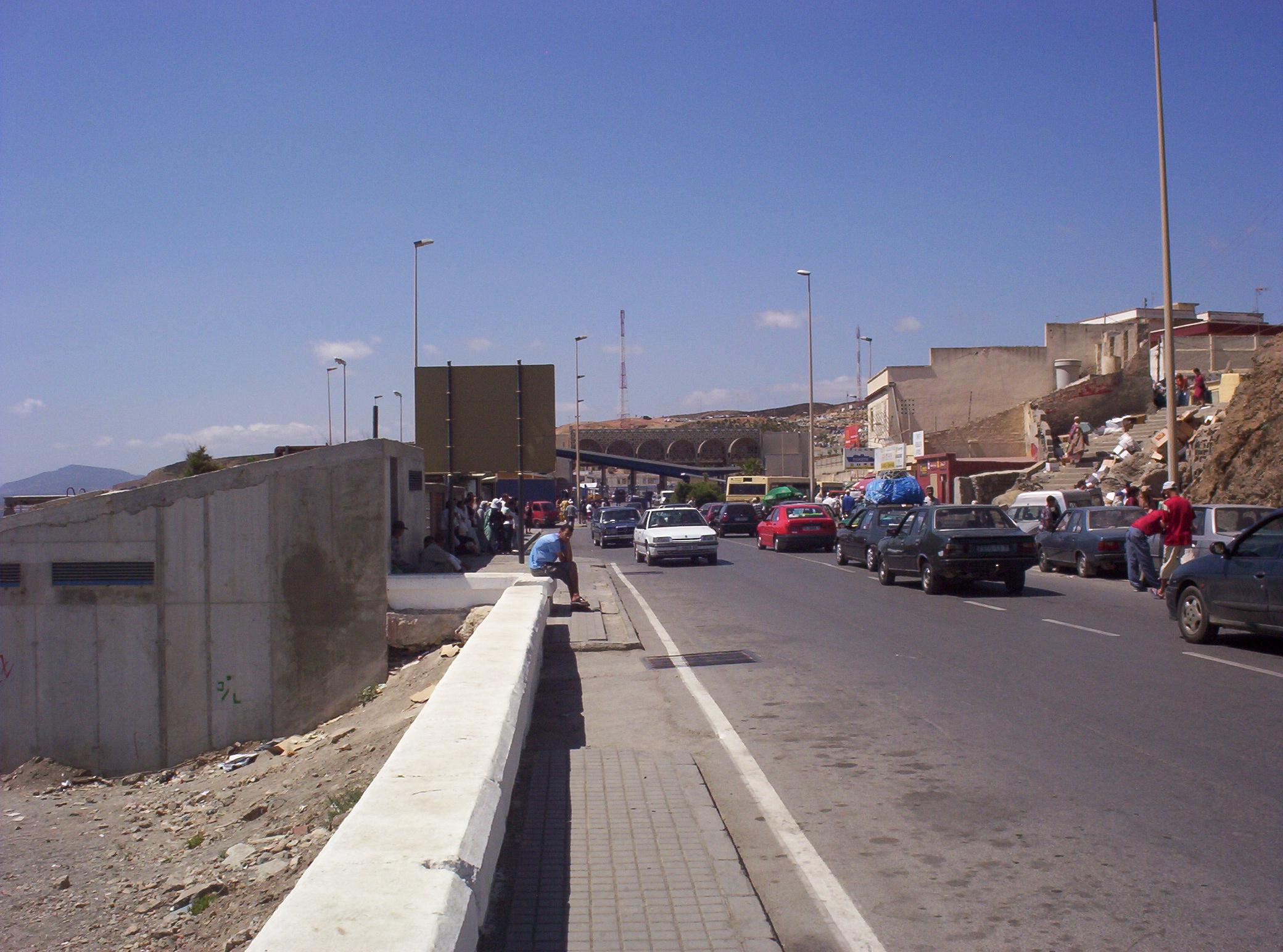
Around 60,000 Moroccan and other African migrants entered the Spanish enclave of Ceuta over a 24-hour period [1], [3].
The surge has overwhelmed the small city's infrastructure and prompted a security response. The scale of the influx is significant given that Ceuta has a permanent population of 83,000 [2].
The crossing began on Thursday, May 1, 2024, and continued into Friday [1], [2]. The sudden arrival of tens of thousands of people has created a humanitarian crisis, with reports of migrants bathing in fountains and using streets as toilets [4].
"By now you would have seen the extraordinary scenes from Ceuta, as tens of thousands of Moroccans poured across the border into the Spanish city," James Macpherson said [2].
Spanish authorities deployed the military and police to manage the border breach [3]. The surge followed a ruling by the Spanish Supreme Court stating that migrants rescued at sea could not be expelled [3], [5]. This legal change reportedly encouraged more individuals to attempt the land border crossing to gain entry into the European Union [5].
While some reports described the event as thousands of migrants storming the border, other records indicate the number reached approximately 60,000 [1], [6]. The rapid influx has triggered violence and severe strain on the enclave's limited public services [4].
“Around 60,000 Moroccan and other African migrants entered the Spanish enclave of Ceuta over a 24-hour period.”
This event highlights the volatility of border security in Spanish enclaves when legal precedents shift. By limiting the ability of the state to expel migrants rescued at sea, the court ruling created a perceived incentive for migrants to utilize land routes, demonstrating how judicial decisions in the EU can lead to immediate, large-scale humanitarian and security challenges on the ground in North Africa.


