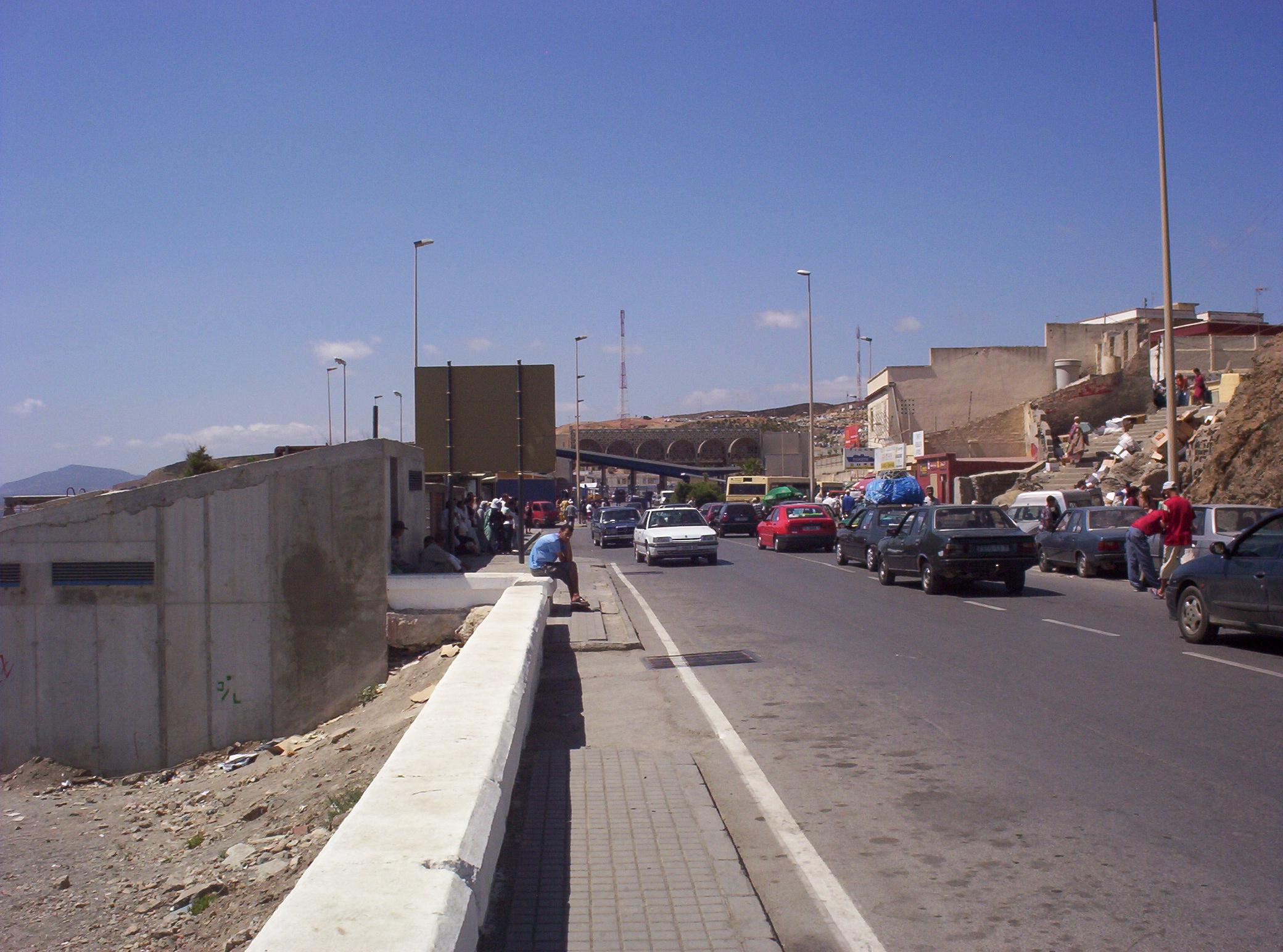
Spain has deployed military forces to the Ceuta enclave after thousands of Moroccan migrants arrived by sea to enter the territory [1].
The surge creates a critical security challenge for the Spanish government, which must balance humanitarian needs with border control in a volatile geopolitical region.
Ceuta is a Spanish exclave located on the North African coast. Authorities have seen a significant increase in arrivals, with reports on the scale of the influx varying between hundreds [3] and thousands of people [1]. Some reports indicate that tens of thousands of migrants have traveled into the Spanish territory over recent weeks [4].
Spanish authorities responded to the pressure by deploying soldiers to the enclave to restore order [5]. The military presence aims to manage the flow of people and secure the border as the situation intensifies.
Migrants attempting the crossing have cited hunger and hostility within Morocco as the primary drivers for their movement [4]. These conditions have pushed individuals to seek refuge in the Spanish territory despite the risks associated with the sea crossing.
The situation in Ceuta reflects a broader pattern of migration pressure on the Mediterranean borders, where economic instability and social unrest often trigger mass movements. The deployment of the military marks a significant escalation in how Spain manages its external frontiers in Africa.
“Spain has deployed military forces to the Ceuta enclave after thousands of Moroccan migrants arrived by sea”
The mobilization of the Spanish military in Ceuta underscores the fragility of the border agreement between Spain and Morocco. By citing hunger and hostility as catalysts, the migrants highlight a humanitarian crisis that transcends simple border security, suggesting that military deployments may only address the symptoms rather than the root causes of the migration surge.