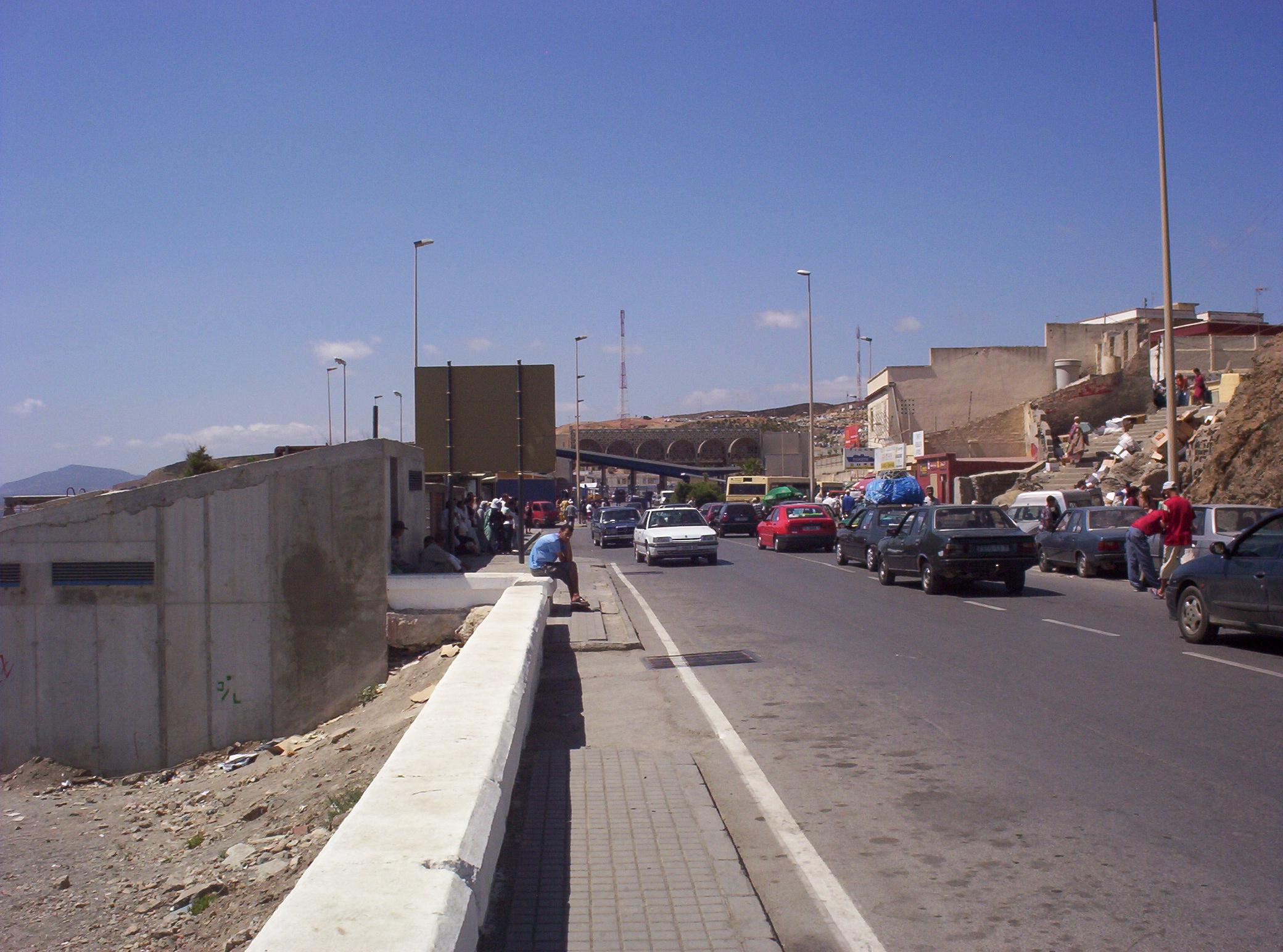
Thousands of migrants entered the Spanish enclave of Ceuta from Morocco this week, creating an acute border and humanitarian crisis [1, 3].
The surge places immense pressure on the small North African territory and tests the diplomatic relationship between Spain and Morocco. Because Ceuta is a gateway to the European Union, these mass crossings often signal deteriorating conditions in the region or shifts in border security policies [2, 4].
Reports on the scale of the influx vary. Some accounts describe the surge as consisting of thousands of migrants [1]. However, other reports indicate that an estimated 60,000 migrants poured into Ceuta in a single day [2].
Spanish authorities have worked to manage the crowds and provide immediate assistance. The movement of people into the enclave has been volatile, with some reports stating that most of the 50,000 migrants who crossed have already returned to Morocco [2].
Migrants are fleeing deteriorating conditions in Morocco to seek entry into Europe via Spanish territory [2, 4]. This pattern of migration is not isolated to Ceuta; similar pressures have been observed at the nearby Spanish enclave of Melilla [2].
The rapid nature of the crossing has forced a mobilization of security forces to maintain order at the border fences. The situation remains fluid as officials determine the total number of arrivals and the needs of those remaining in the territory [1, 2].
“Thousands of migrants entered the Spanish enclave of Ceuta from Morocco this week”
The volatility of the Ceuta border underscores the fragility of migration agreements between the EU and North African nations. When large numbers of people attempt to enter Spain simultaneously, it often reflects a breakdown in local stability or a calculated move to pressure European governments into granting asylum or residency permits.


