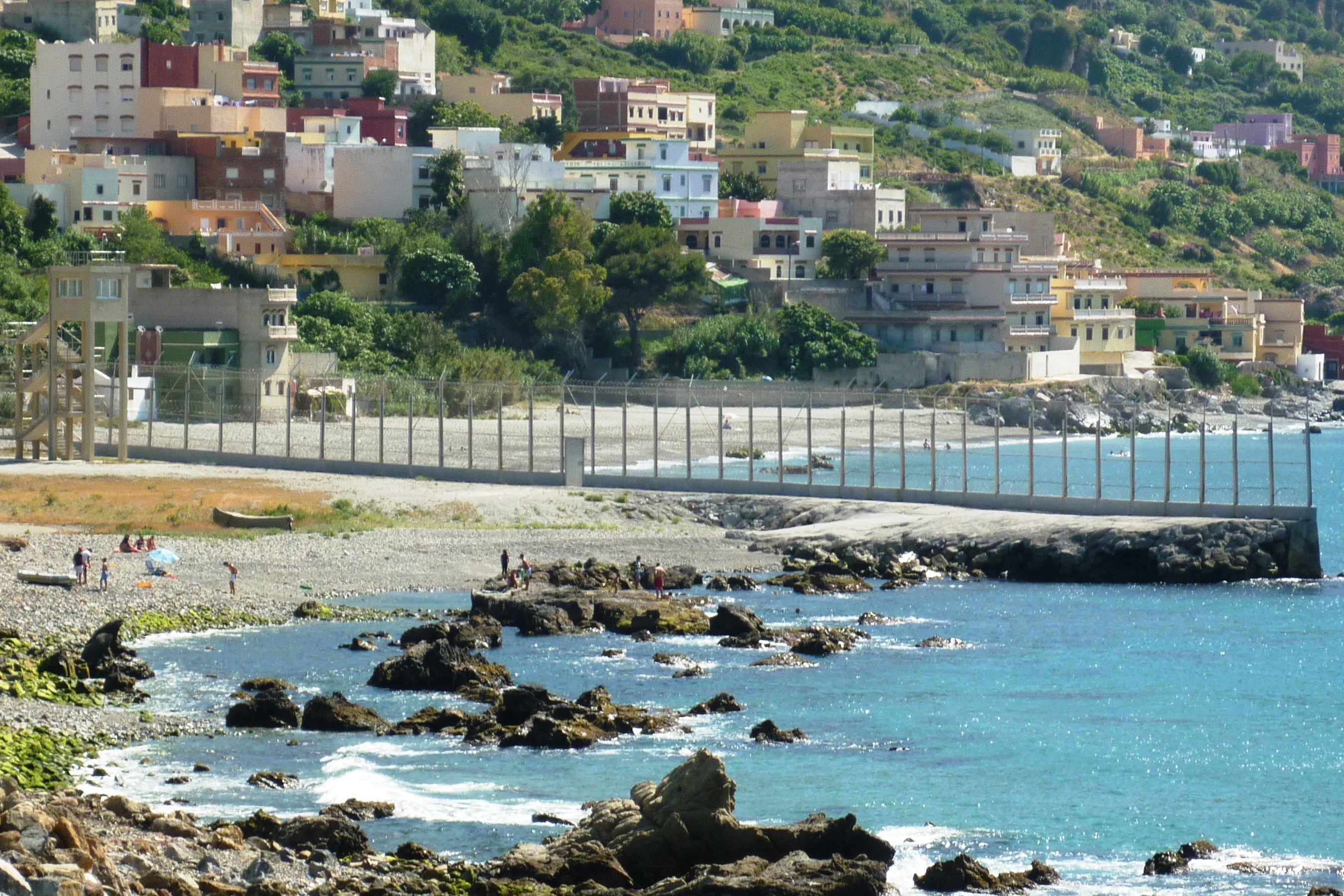
Spain has deployed its military to the autonomous city of Ceuta after tens of thousands of migrants [1] breached the border from Morocco.
The surge creates a diplomatic crisis between Spain and Morocco while highlighting the precarious security of the Spanish enclaves on the African coast.
Spanish authorities moved to restore order following the unprecedented influx. A Spanish Defence Minister said the army was deployed to protect lives and restore order [3]. To secure the frontier, Spain installed a containment fence along the sea border [4].
The human cost of the breach has been significant. Reports indicate at least 34 migrants died during the crossing [3].
Motivations for the surge are contested. Some migrants cited hunger and hostility as the primary drivers for their movement [2]. However, other analysts suggest the event was a calculated move by the Moroccan government. Richard Hamilton, a former BBC Morocco Correspondent, said 99 percent [4] of the mass crossings are not about migration, but are instead Morocco’s "political leverage" over Spain to prove a point [5].
The incident has also triggered internal European tensions. Some voices called for Spain to be suspended from the borderless Schengen zone. Prime Minister Pedro Sánchez said those calls are driven by prejudice, fake news, ignorance, or political interest [4].
Spain continues to manage the aftermath of the breach through emergency talks and military presence at the border [3, 4].
“"We are deploying the army to restore order and protect lives after the unprecedented influx of migrants."”
The situation in Ceuta illustrates the fragility of the border between the EU and Africa. By allowing or facilitating mass crossings, Morocco can exert significant pressure on Spanish domestic and foreign policy, effectively using migration as a diplomatic tool to secure concessions or signal dissatisfaction.
'%2F%3E%0A%20%20%20%20%3Crect%20width%3D'1600'%20height%3D'900'%20fill%3D'url(%23v)'%2F%3E%0A%20%20%20%20%3Cg%20opacity%3D'0.08'%20fill%3D'%23ffffff'%3E%0A%20%20%20%20%20%20%3Ccircle%20cx%3D'1420'%20cy%3D'180'%20r%3D'220'%2F%3E%0A%20%20%20%20%20%20%3Ccircle%20cx%3D'1500'%20cy%3D'760'%20r%3D'120'%2F%3E%0A%20%20%20%20%3C%2Fg%3E%0A%20%20%20%20%3Cline%20x1%3D'80'%20y1%3D'172'%20x2%3D'220'%20y2%3D'172'%20stroke%3D'%23ffffff'%20stroke-width%3D'3'%20stroke-opacity%3D'0.6'%2F%3E%0A%20%20%20%20%3Ctext%20x%3D'80'%20y%3D'140'%20font-family%3D'Inter%2C%20-apple-system%2C%20Helvetica%2C%20sans-serif'%20font-weight%3D'700'%20font-size%3D'28'%20fill%3D'%23ffffff'%20letter-spacing%3D'6'%3EHANNA%20%C2%B7%20NEWS%3C%2Ftext%3E%0A%20%20%20%20%3Ctext%20x%3D'80'%20y%3D'230'%20font-family%3D'Inter%2C%20-apple-system%2C%20Helvetica%2C%20sans-serif'%20font-weight%3D'600'%20font-size%3D'40'%20fill%3D'%23ffffffb3'%20letter-spacing%3D'4'%3EWORLD%3C%2Ftext%3E%0A%20%20%20%20%3Ctext%20x%3D'80'%20y%3D'694'%20font-family%3D'Playfair%20Display%2C%20Georgia%2C%20serif'%20font-weight%3D'800'%20font-size%3D'110'%20fill%3D'%23ffffff'%20letter-spacing%3D'-1'%3ESarthe%20Winegrowers%20Shift%3C%2Ftext%3E%3Ctext%20x%3D'80'%20y%3D'820'%20font-family%3D'Playfair%20Display%2C%20Georgia%2C%20serif'%20font-weight%3D'800'%20font-size%3D'110'%20fill%3D'%23ffffff'%20letter-spacing%3D'-1'%3EGrape%20Harvest%20to%20August%3C%2Ftext%3E%0A%20%20%20%20%3Ctext%20x%3D'80'%20y%3D'870'%20font-family%3D'Inter%2C%20-apple-system%2C%20Helvetica%2C%20sans-serif'%20font-weight%3D'500'%20font-size%3D'22'%20fill%3D'%23ffffff66'%20letter-spacing%3D'2'%3Enews.hanna-ai.com%3C%2Ftext%3E%0A%20%20%3C%2Fsvg%3E)

