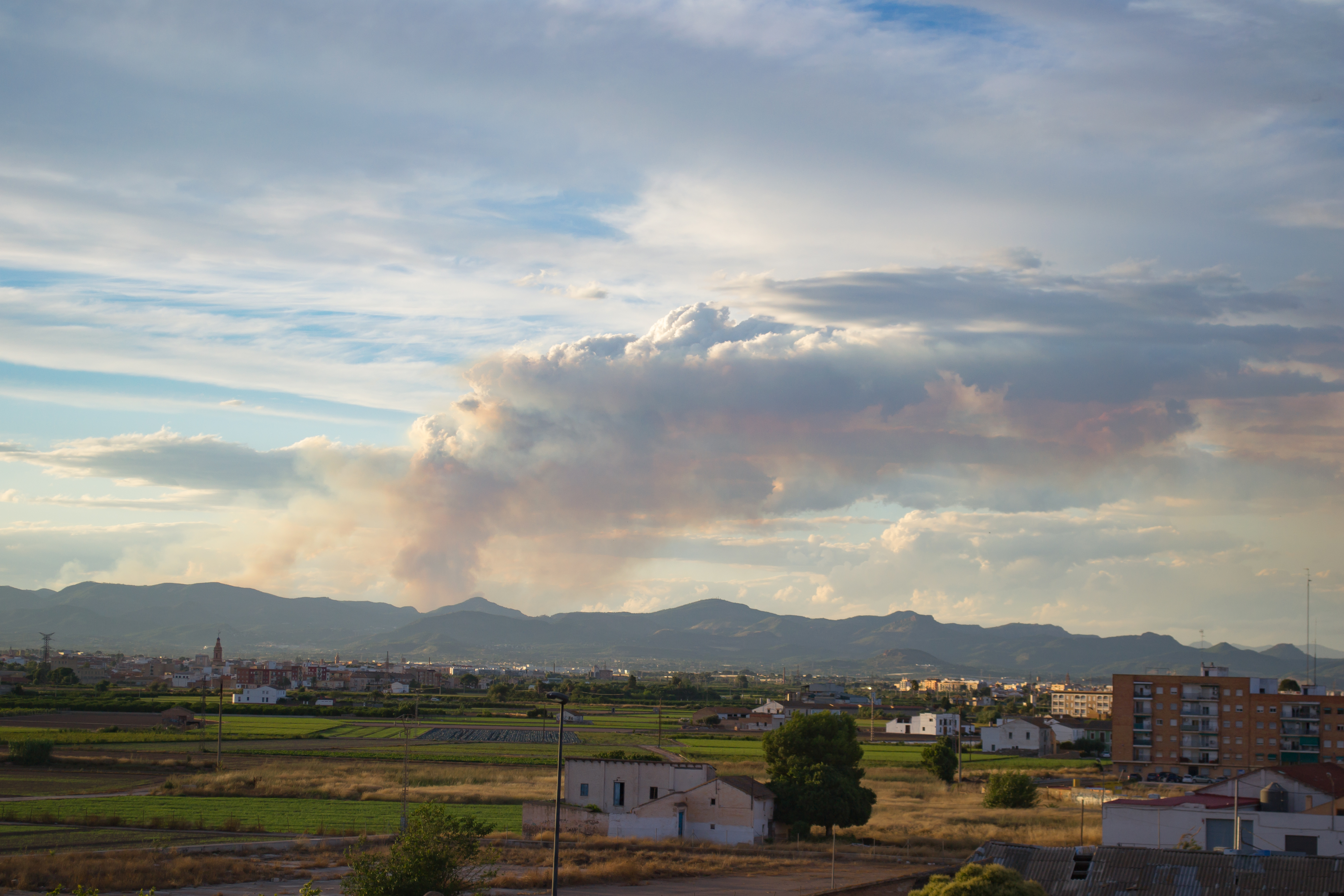
Spain is experiencing a significant heat wave with maximum temperatures reaching up to 42°C [1].
This weather pattern increases the risk of extreme forest fires due to the combined effect of high heat and dry terrain. The situation threatens public health and environmental stability across several Spanish regions.
The Agencia Estatal de Meteorología (AEMET) said the heat is concentrated primarily in the eastern third of the country, the Upper Ebro basin, and the river valleys of the southwest [1]. The surge is driven by a persistent mass of warm, stable air that elevates temperatures and strips moisture from the ground [1].
Reports differ on the frequency of these events this season. Some sources describe this as the fourth heat wave of the summer [1], while others identify it as the second [2].
Temperature forecasts vary slightly across agencies. While some reports cite peaks of 42°C [1], [2], other data indicates that temperatures could climb as high as 43°C [3]. These extreme peaks are expected to persist through July 10 [3].
The timing of the current event also varies by source. One report said the wave began on Wednesday, July 3 [1], and could last until Sunday, July 7 [1]. Another report identifies the start of the wave as Sunday, July 5 [2].
Local authorities are monitoring the dry conditions closely. The stability of the warm air mass prevents cooling trends and heightens the danger of rapid-fire ignition in forested areas [1].
“Spain is experiencing a significant heat wave with maximum temperatures reaching up to 42°C”
The discrepancy in reporting regarding the number of heat waves and exact start dates suggests a volatile weather pattern where heat spikes are occurring in rapid succession. The persistence of high temperatures combined with extreme terrain dryness indicates a high-risk window for uncontrolled wildfires, which often strain emergency response resources during the peak summer months.


