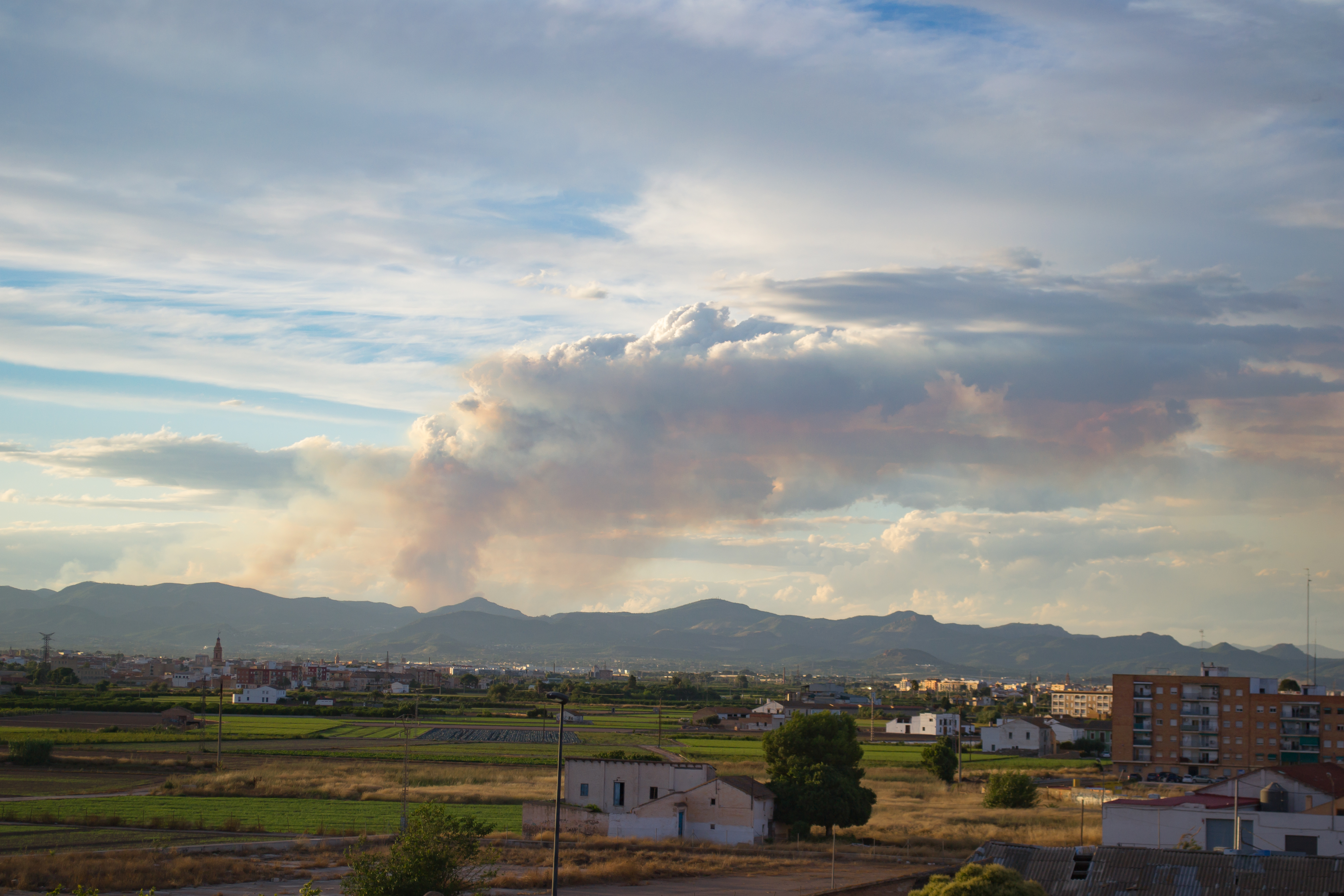
Massive wildfires are burning near Madrid and in the Valencia region, forcing tens of thousands of residents to evacuate or confine themselves to their homes [1].
The scale of the disaster highlights the vulnerability of Southern Europe to extreme heat waves and prolonged drought. These conditions have left forests and scrubland tinder-dry, creating an environment where blazes intensify rapidly and overwhelm emergency services [2, 4].
In Spain, authorities said that 76,000 people have been evacuated [1]. An additional 30,000 residents have been ordered to remain confined to their homes as the fires spread through central and eastern regions [1]. Spanish firefighters continue to battle the infernos, though the dry terrain has made containment difficult [1, 3].
The crisis extends beyond Spanish borders. Similar wildfires are burning near Bordeaux, France, where firefighters are also struggling to control the flames [2, 3]. Across both France and Spain, the total number of people displaced or evacuated has reached more than 300,000 [2].
Emergency responders in both nations are facing exhausted crews and challenging weather patterns. The intensity of the current fires has prompted renewed calls for stronger climate-action measures to address the root causes of the increasing frequency of these events [4].
Local authorities in the Valencia region and the outskirts of Madrid are coordinating with national agencies to manage the evacuation zones. Efforts remain focused on preventing the fires from reaching densely populated urban centers, and managing the thousands of displaced citizens [1, 3].
“76,000 people have been evacuated [1]”
The simultaneous eruption of massive wildfires in Spain and France suggests a systemic failure of regional land management in the face of accelerating climate change. The displacement of over 300,000 people indicates that traditional firefighting infrastructure is no longer sufficient to handle the scale of 'mega-fires' fueled by chronic drought and extreme heat.


