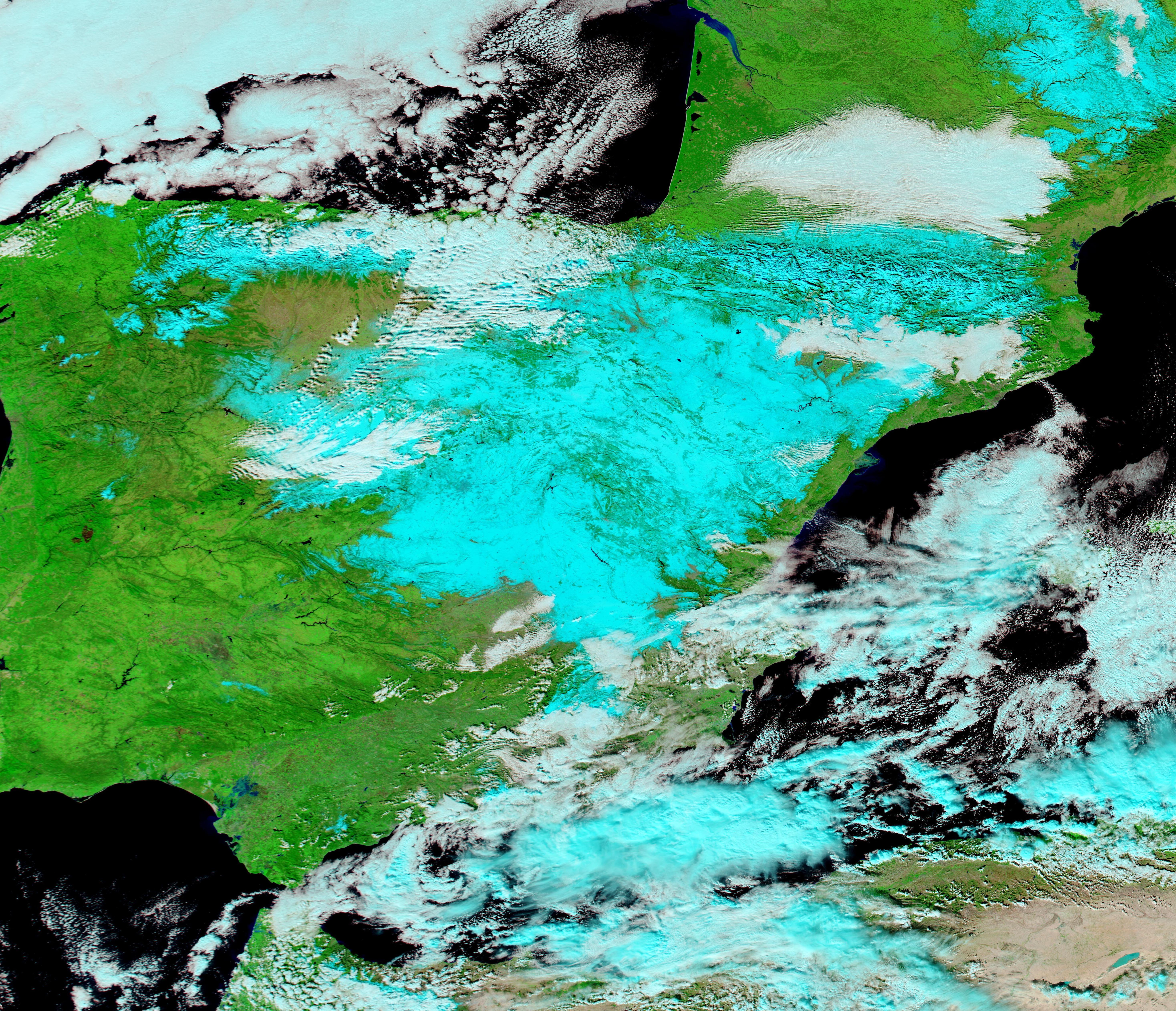
The Spanish government declared a national emergency on Friday, July 24, 2026, after multiple wildfires forced thousands to evacuate the central region of Madrid [1], [2].
This declaration marks the first time Spain has issued a national emergency specifically for wildfires [2]. The move allows the government to mobilize unprecedented resources to combat the blazes as they threaten residential areas and critical infrastructure.
The Interior Ministry and Prime Minister Pedro Sánchez led the emergency response [1], [2]. Officials said the fires spread rapidly due to a combination of an intense heatwave, low rainfall, and strong winds [1], [2]. These conditions created a volatile environment that overwhelmed local firefighting efforts and necessitated a broader federal response.
Evacuation orders have affected a significant number of residents in the Madrid region. While some reports indicate approximately 10,000 people have been forced from their homes [1], other accounts suggest the number of evacuees has reached tens of thousands [3]. The discrepancy reflects the rapidly evolving nature of the fire lines and the scale of the displacement.
Emergency services are currently working to establish containment lines and provide shelter for those displaced. The government has prioritized the safety of citizens in the central region, though the volatile weather continues to challenge containment efforts. The situation remains critical as crews battle the flames under extreme thermal stress.
Coordination between regional and national authorities is ongoing to prevent the fires from expanding further into neighboring provinces. The Interior Ministry said the emergency status provides the legal and logistical framework required to deploy all available national assets to the affected zones [1].
“Spain declared a national emergency on Friday, July 24, 2026, after multiple wildfires forced thousands to evacuate.”
The decision to declare a national emergency for the first time in the history of Spanish wildfires signals a shift in how the country manages climate-driven disasters. By elevating the response to a national level, the government acknowledges that regional resources are no longer sufficient to handle the increasing intensity of heatwaves and drought conditions in the Mediterranean basin.