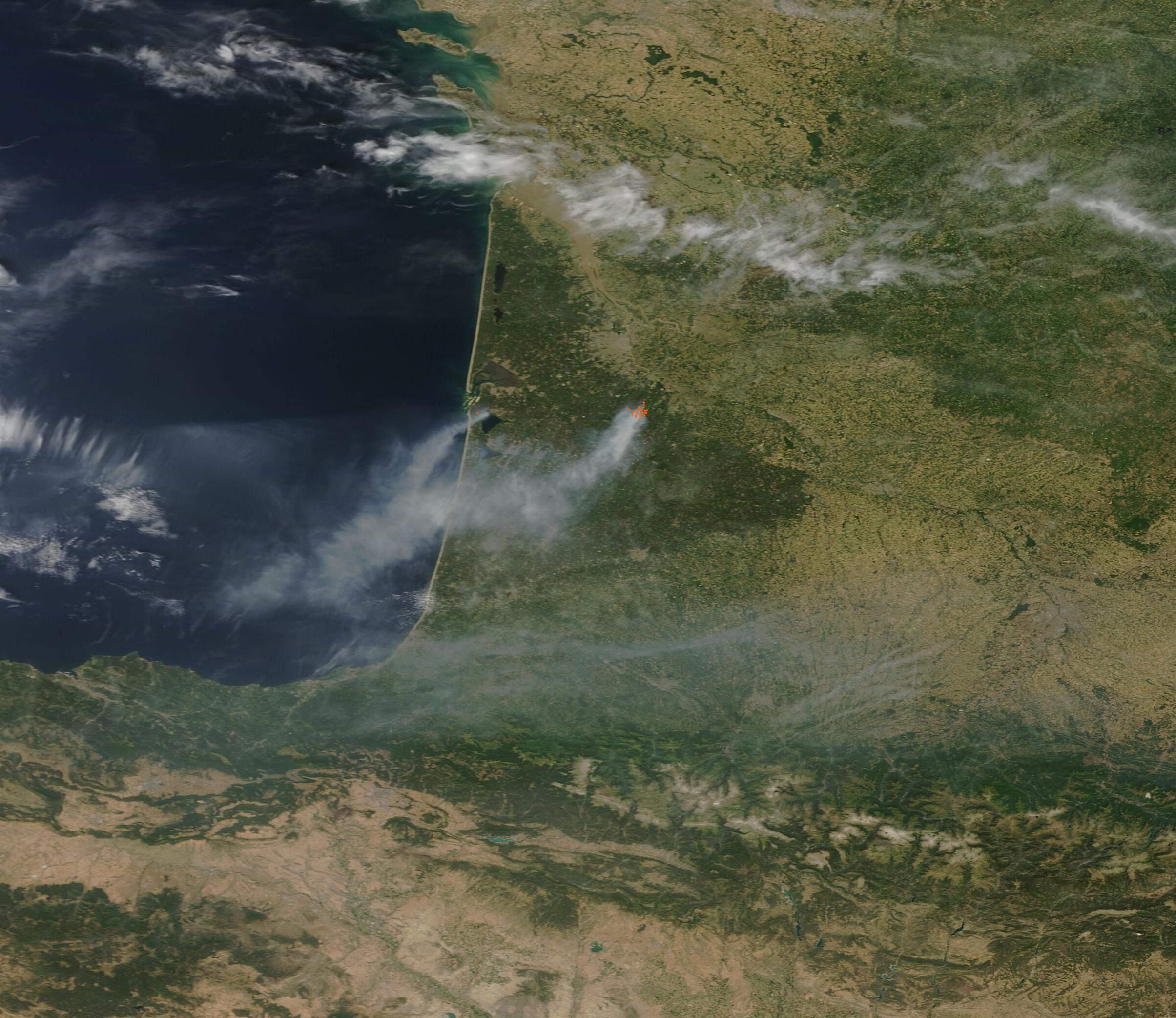
Two separate wildfires in southern Spain merged into a single massive blaze, killing at least 14 people [1].
The disaster underscores the increasing vulnerability of the region to extreme weather patterns. As separate fire fronts combine, they create larger, more unpredictable infernos that overwhelm local containment efforts and threaten residential areas.
The fires intensified on a Friday and continued through Saturday in late April 2024 [2]. The blaze developed near the border with Castilla y León, where emergency officials struggled to maintain perimeters as the two fires converged [1], [2].
Official reports on the casualties vary slightly. Al Jazeera said that at least 14 people died [1], while other reports indicated the death toll had risen to at least 12 [2].
Emergency officials said extreme heat, dry conditions, and lighter winds caused the fires to spread and merge [1], [2]. These environmental factors turned the sky orange in parts of southern Spain as the smoke and embers drifted over populated zones [2].
The scale of the displacement was significant. Tens of thousands of residents were forced to evacuate their homes to avoid the advancing flames [1]. Spanish firefighters and emergency crews worked to prevent the fire from reaching further urban centers, though the merged front created a more volatile situation for ground teams [1], [2].
Local authorities have not yet confirmed the exact cause of the initial ignitions, but the rapid escalation is attributed to the arid state of the landscape [2].
“Two separate wildfires in southern Spain merged into a single massive blaze”
The merging of separate fire fronts into a 'mega-fire' represents a critical escalation in wildfire behavior. When individual blazes combine, they often create their own localized weather systems and higher intensity heat, making traditional containment lines ineffective and increasing the risk to both civilians and first responders.