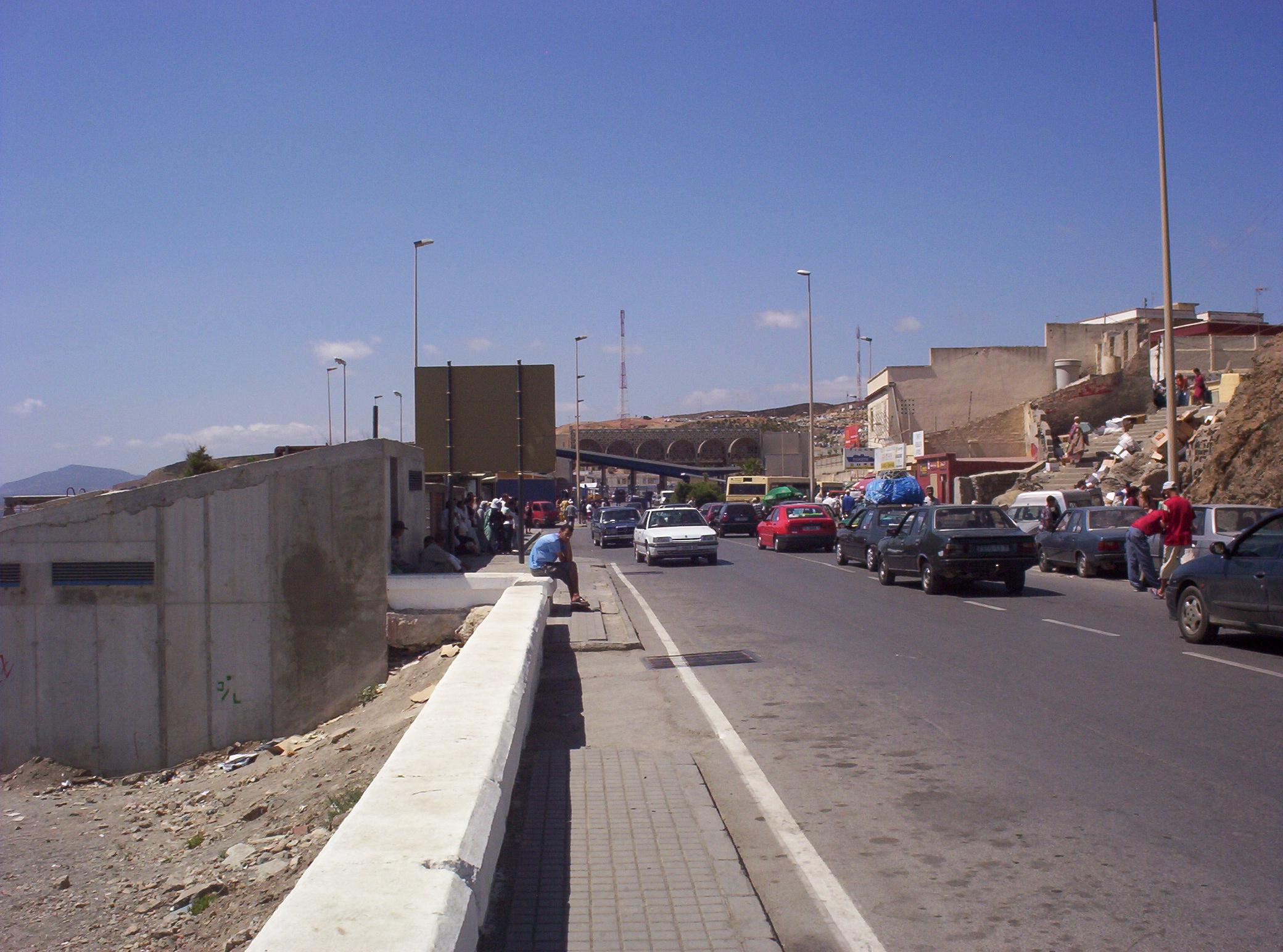
Spain deployed military forces to the Ceuta enclave on Thursday to restore order after thousands of migrants breached the border from Morocco [1], [2], [3].
The deployment follows a sudden collapse of border security that has strained relations between Spain and Morocco. The scale of the influx has overwhelmed local authorities, turning a critical border zone into a site of humanitarian crisis and security failure.
Prime Minister Pedro Sánchez ordered the military intervention after reports emerged that the border had totally collapsed [1], [4]. The head of Ceuta's Civil Guard union said the scene was "absolute chaos" [1].
Casualty reports from the breach vary across sources. Some reports indicate at least nine people have died [2], while other accounts state 18 people have died [5]. The discrepancy highlights the difficulty of accounting for victims amidst the disorder at the northern coast of Africa.
Thousands of migrants surged into the enclave, bypassing security measures and overwhelming the Spanish Civil Guard [1], [2]. The Spanish government is now working to secure the perimeter and manage the thousands of individuals who entered the territory [1], [3].
Ceuta, a Spanish territory bordering Morocco, has long been a flashpoint for migration. The recent breach represents a significant breakdown in the border controls intended to regulate the flow of people between the African continent and the European Union territory.
“"Absolute chaos"”
The deployment of the Spanish military signals a shift from civilian police management to a national security response. This escalation underscores the fragility of the border agreement between Spain and Morocco and suggests that existing deterrents were insufficient to stop a mass breach. The conflicting death tolls further indicate a breakdown in administrative control during the initial hours of the crisis.


