Spanish government ministers held a press conference Monday at Puerto de Granadilla to announce the conclusion of a hantavirus outbreak aboard the MV Hondius [1].
The operation represents a critical effort to contain a highly dangerous virus within a confined passenger environment. Because hantavirus can cause severe respiratory distress, the coordination between health, interior, and international agencies was necessary to prevent a wider public health emergency.
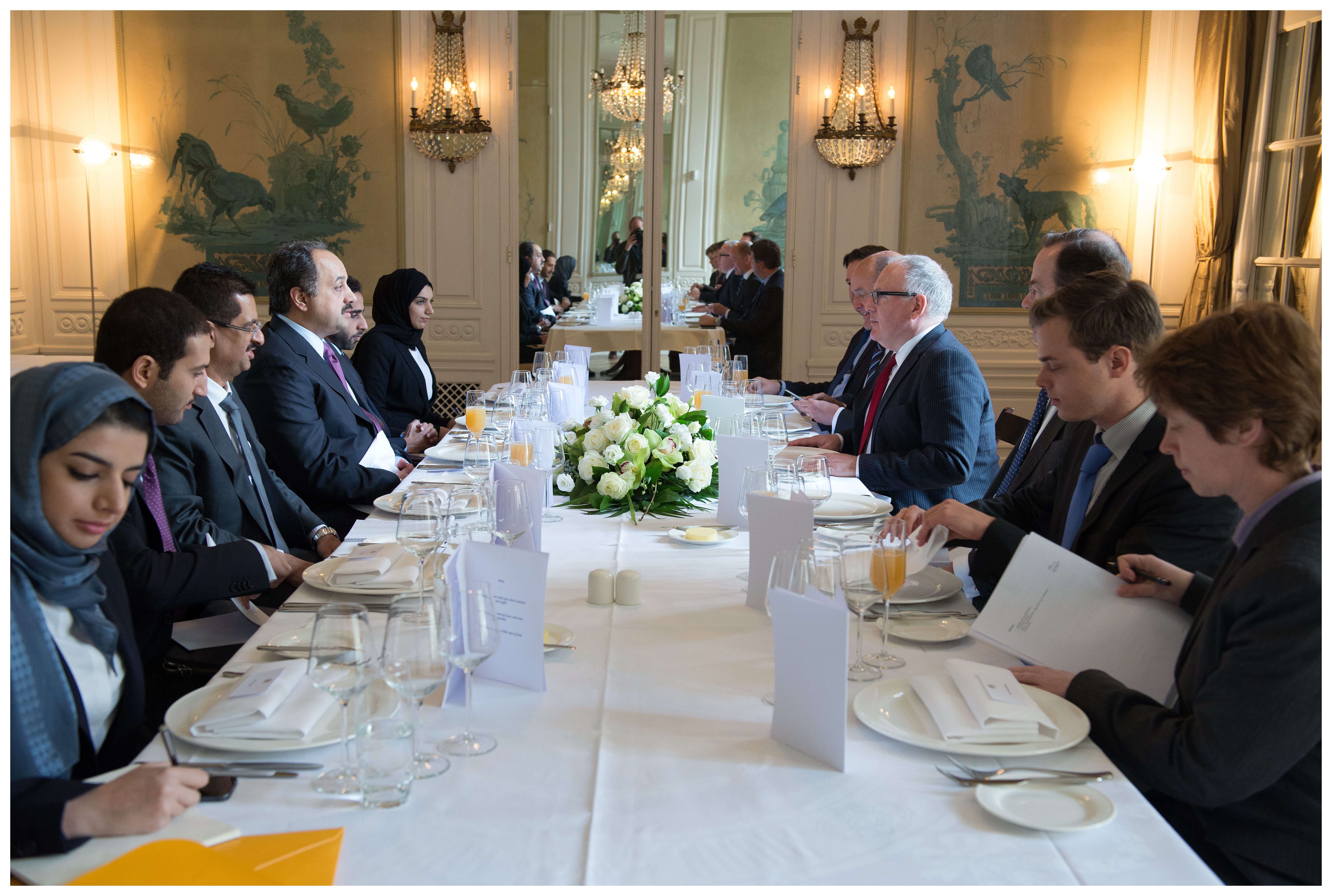
Health Minister Mónica García said the operation has put an end to the cruise ship crisis [2]. The press conference included Interior Minister Fernando Grande-Marlaska, Territorial Policy and Democratic Memory Minister Ángel Víctor Torres, and the Director-General of the World Health Organization [1].
The MV Hondius originally departed on March 20, 2026 [3]. As the outbreak intensified, authorities coordinated a complex evacuation process. Fourteen Spanish passengers were among the first to be evacuated from the vessel [4]. This specific evacuation phase was scheduled to arrive at the port between 5 and 7 a.m. on Sunday [4].
Health officials are maintaining strict monitoring protocols for those exposed to the virus. Those identified as contacts are required to undergo quarantine for three to six weeks [5]. This rigorous window is intended to ensure no latent infections spread upon the passengers' return to their home cities.
Fernando Simón described the nature of the biological threat during the crisis. He said, "Esta crisis no es como la covid, sino como el ébola" [6]. This comparison highlights the different transmission patterns and severity associated with hantavirus compared to the more common respiratory viruses seen in recent years.
The government's response followed a period of tension regarding the flow of data. Clavijo said the government was uncomfortable due to a lack of information concerning the cruise [7]. The current measures at Puerto de Granadilla aim to resolve those gaps through direct oversight and WHO collaboration.
“"La operación ha puesto fin a la crisis del crucero con el brote de hantavirus"”
The comparison of this outbreak to Ebola rather than COVID-19 suggests a focus on high lethality and specific transmission vectors rather than mass community spread. By implementing a quarantine of up to six weeks, Spanish health authorities are prioritizing total containment over rapid reintegration, reflecting the high risk associated with hantavirus pulmonary syndrome.