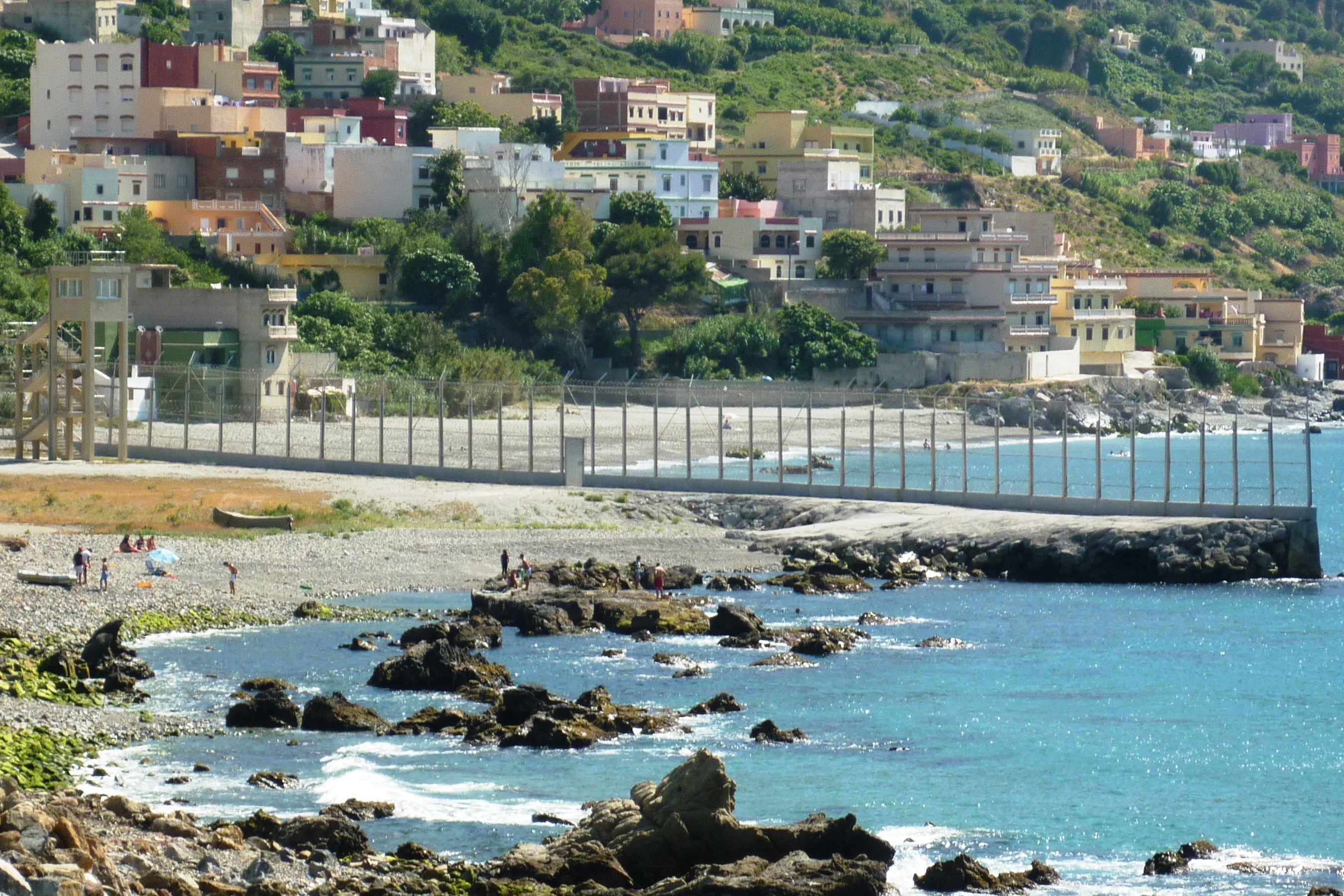
Spanish Prime Minister Pedro Sánchez said the arrival of tens of thousands of migrants in Ceuta was an attack and a violation of Spain's territorial integrity on Friday.
The situation has triggered a diplomatic crisis between Spain and Morocco. The scale of the movement threatens Spain's standing within the Schengen area, as failure to secure the external border could lead to a suspension of its membership.
Ceuta, a Spanish enclave located on the North African coast, has seen approximately 60,000 [1] migrants enter from Morocco over the course of a few days. The sudden surge has overwhelmed local infrastructure and security forces.
Sánchez said the event was "une attaque, une violation de l'intégrité territoriale de l'Espagne" [2], or an attack and a violation of the territorial integrity of Spain. The prime minister's comments underscore the severity of the border breach and the perceived intent behind the movement of people.
Spanish authorities are currently managing the influx while attempting to coordinate a response with Moroccan officials. The enclave remains a flashpoint for migration and territorial disputes due to its strategic position and its border with Morocco.
Officials have not yet detailed the specific legal or military measures that will be taken to resolve the crisis. However, the pressure to maintain the integrity of the Schengen border remains a primary driver for the Spanish government's urgent response.
“"une attaque, une violation de l'intégrité territoriale de l'Espagne"”
The classification of a migration event as an 'attack' suggests that Spain views the influx not as a humanitarian crisis, but as a weaponized migration tactic used for political leverage. Because Ceuta is a gateway to Europe, any perceived failure to control its borders could jeopardize Spain's role in the Schengen Agreement, potentially leading to the reinstatement of internal border checks across Europe.


