Spanish Prime Minister Pedro Sánchez blamed criminal trafficking networks for a sudden influx of migrants into the Spanish enclave of Ceuta [1].
The crisis highlights the vulnerability of Spain's borders in North Africa and the influence of organized crime on migration patterns. It also underscores the legal complexities surrounding the repatriation of migrants arriving via different routes.
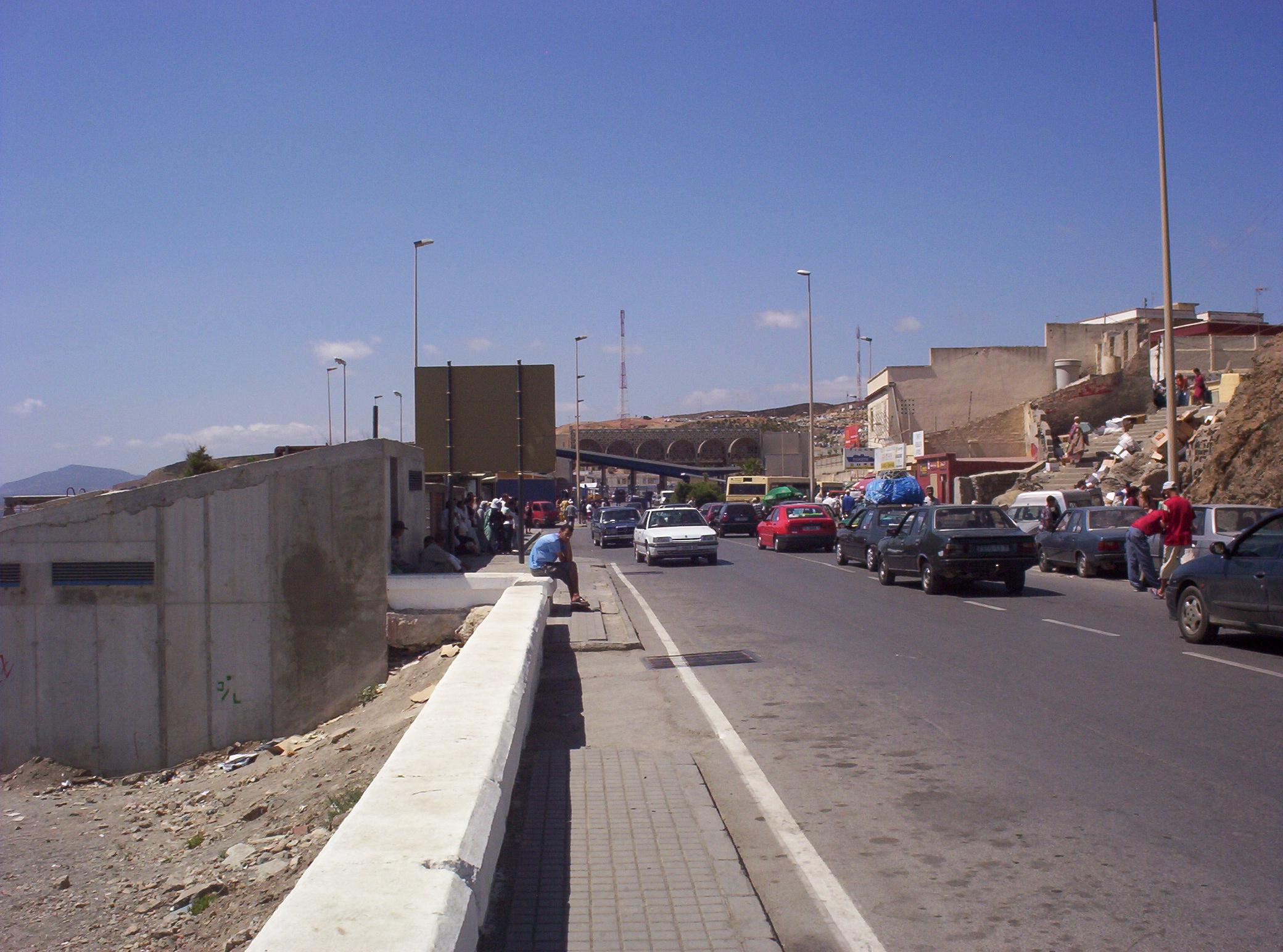
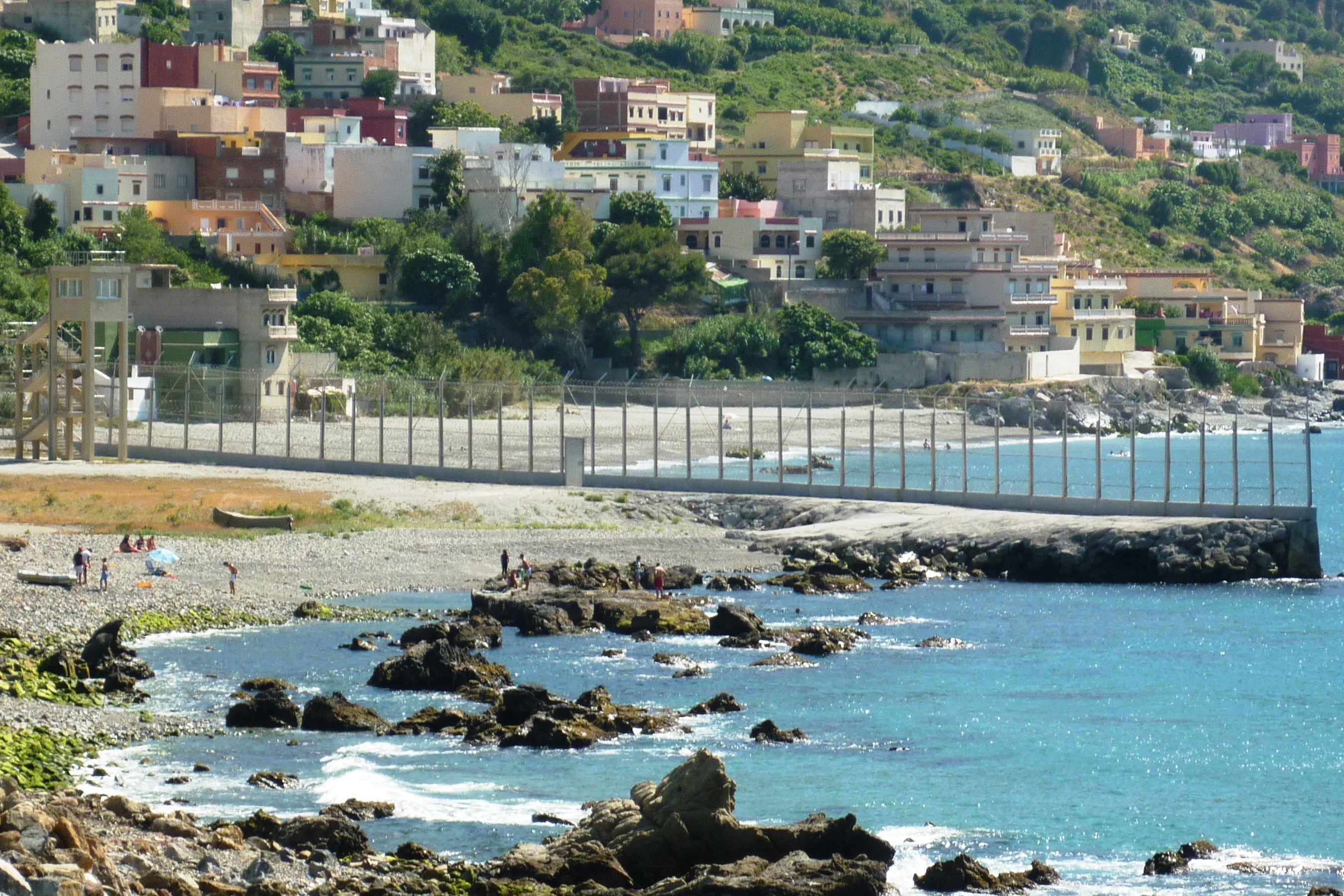
The influx occurred on July 24, 2023 [2]. Sánchez said the event was an attack and a violation of Spain's territorial integrity [1]. The Spanish autonomous city of Ceuta borders Morocco on the North African coast [1].
Reports on the scale of the arrival vary. Some sources state that about 60,000 migrants crossed in a 24-hour period [2], while other reports indicate the number was around 40,000 [3]. The crossing resulted in 41 deaths [2].
Sánchez said the trafficking mafia exploited specific legal loopholes to orchestrate the surge. He pointed to recent Spanish court decisions that exempted migrants arriving by sea from immediate return [1]. According to the prime minister, these criminal networks used the ruling to facilitate the movement of large numbers of people across the border [1].
Spain has historically struggled to manage the flow of migrants through its enclaves in Africa. The use of the term "attack" suggests a shift in how the government views the role of organized crime in these movements, moving from a humanitarian issue to a security threat.
“Sánchez said the event was an attack and a violation of Spain's territorial integrity.”
This event demonstrates how legal shifts in migration processing can be rapidly weaponized by trafficking networks to overwhelm border infrastructure. By linking the crisis to a court ruling on sea-arrivals, the Spanish government is signaling that legal protections intended for refugees may be creating tactical opportunities for organized crime to destabilize territorial borders.