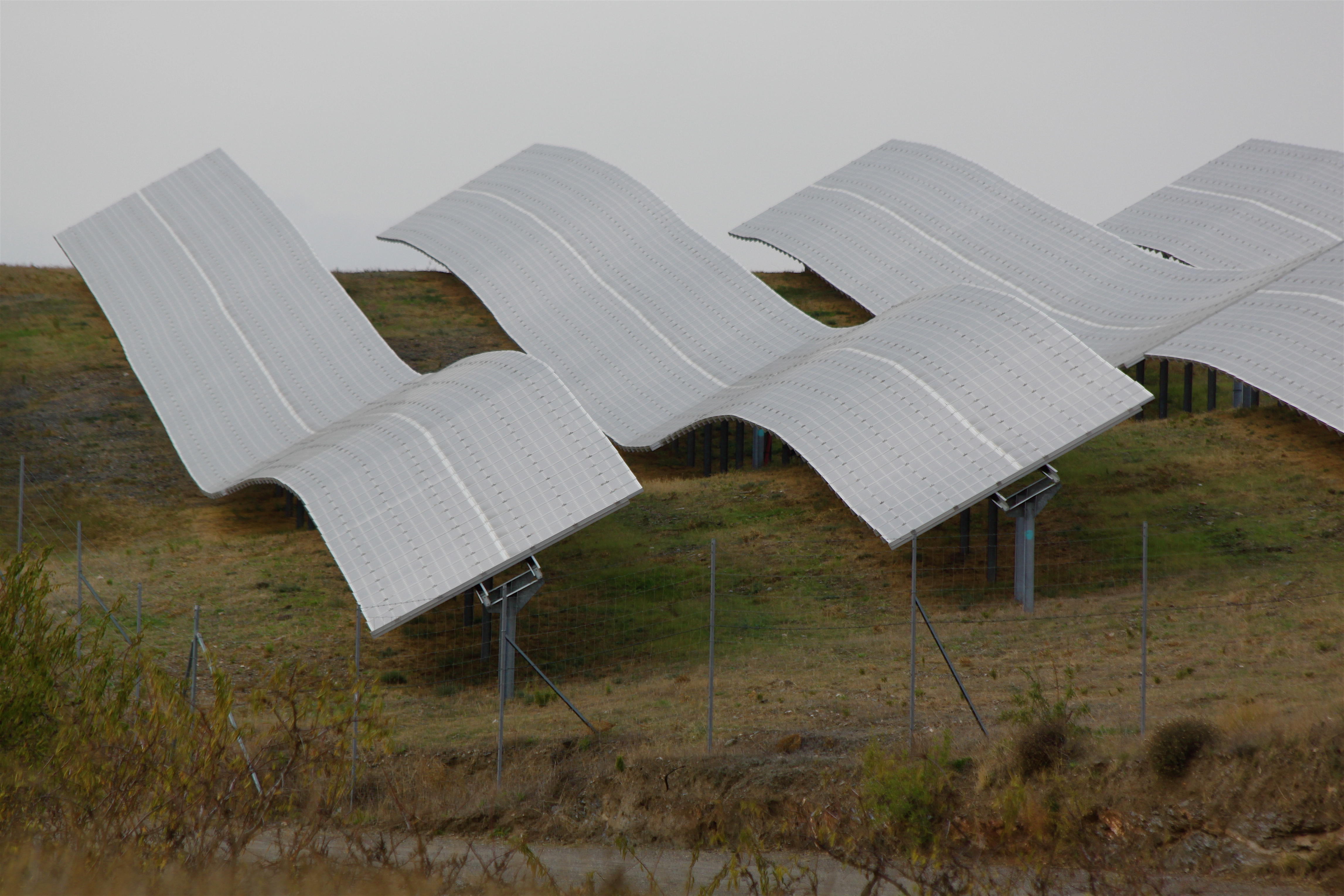
Fabricated reports and online posts are spreading false claims that the Spanish government cut wildfire prevention funding and that solar farms caused fires [1], [2].
This misinformation arrives during Spain's 2026 wildfire season, a period of high environmental stress. The spread of such claims can undermine public trust in emergency management and create unfounded hostility toward renewable energy infrastructure during a national crisis.
According to reports from Euronews and MSN, the misinformation included a fabricated newspaper front page designed to look like a legitimate news source [1], [2]. These posts alleged that the government reduced spending on prevention measures, leaving the country more vulnerable to the current blaze season [1], [2].
Additional claims circulated online suggesting that solar farm installations were the direct cause of the 2026 wildfires [1], [2]. Fact-checkers said these claims are fabricated and lack any basis in reality [1], [2].
Authorities and fact-checking organizations said the content was a deliberate attempt to criticize government policy and target renewable energy projects [1], [2]. The use of forged media, such as the fake newspaper page, indicates a coordinated effort to lend a veneer of credibility to the false narratives [1], [2].
Spain continues to manage active wildfires this July, while officials work to counter the digital misinformation accompanying the disaster [1], [2].
“Fact-checkers have confirmed these claims are fabricated.”
The emergence of forged news media during a natural disaster suggests a growing trend of using 'synthetic' credibility to influence public opinion. By linking environmental disasters to specific policy choices or green energy transitions, these narratives attempt to weaponize climate crises for political leverage.


