'%2F%3E%0A%20%20%20%20%3Crect%20width%3D'1600'%20height%3D'900'%20fill%3D'url(%23v)'%2F%3E%0A%20%20%20%20%3Cg%20opacity%3D'0.08'%20fill%3D'%23ffffff'%3E%0A%20%20%20%20%20%20%3Ccircle%20cx%3D'1420'%20cy%3D'180'%20r%3D'220'%2F%3E%0A%20%20%20%20%20%20%3Ccircle%20cx%3D'1500'%20cy%3D'760'%20r%3D'120'%2F%3E%0A%20%20%20%20%3C%2Fg%3E%0A%20%20%20%20%3Cline%20x1%3D'80'%20y1%3D'172'%20x2%3D'220'%20y2%3D'172'%20stroke%3D'%23ffffff'%20stroke-width%3D'3'%20stroke-opacity%3D'0.6'%2F%3E%0A%20%20%20%20%3Ctext%20x%3D'80'%20y%3D'140'%20font-family%3D'Inter%2C%20-apple-system%2C%20Helvetica%2C%20sans-serif'%20font-weight%3D'700'%20font-size%3D'28'%20fill%3D'%23ffffff'%20letter-spacing%3D'6'%3EHANNA%20%C2%B7%20NEWS%3C%2Ftext%3E%0A%20%20%20%20%3Ctext%20x%3D'80'%20y%3D'230'%20font-family%3D'Inter%2C%20-apple-system%2C%20Helvetica%2C%20sans-serif'%20font-weight%3D'600'%20font-size%3D'40'%20fill%3D'%23ffffffb3'%20letter-spacing%3D'4'%3EWORLD%3C%2Ftext%3E%0A%20%20%20%20%3Ctext%20x%3D'80'%20y%3D'622'%20font-family%3D'Playfair%20Display%2C%20Georgia%2C%20serif'%20font-weight%3D'800'%20font-size%3D'86'%20fill%3D'%23ffffff'%20letter-spacing%3D'-1'%3ESpain%20Races%20to%20Contain%3C%2Ftext%3E%3Ctext%20x%3D'80'%20y%3D'721'%20font-family%3D'Playfair%20Display%2C%20Georgia%2C%20serif'%20font-weight%3D'800'%20font-size%3D'86'%20fill%3D'%23ffffff'%20letter-spacing%3D'-1'%3EWildfires%20Before%20New%3C%2Ftext%3E%3Ctext%20x%3D'80'%20y%3D'820'%20font-family%3D'Playfair%20Display%2C%20Georgia%2C%20serif'%20font-weight%3D'800'%20font-size%3D'86'%20fill%3D'%23ffffff'%20letter-spacing%3D'-1'%3EHeatwave%3C%2Ftext%3E%0A%20%20%20%20%3Ctext%20x%3D'80'%20y%3D'870'%20font-family%3D'Inter%2C%20-apple-system%2C%20Helvetica%2C%20sans-serif'%20font-weight%3D'500'%20font-size%3D'22'%20fill%3D'%23ffffff66'%20letter-spacing%3D'2'%3Enews.hanna-ai.com%3C%2Ftext%3E%0A%20%20%3C%2Fsvg%3E)
Spanish authorities are racing to contain active wildfires on Monday before a new heatwave arrives to raise temperatures across the country [1].
The timing of the containment efforts is critical because the upcoming heatwave threatens to intensify existing blazes and ignite new fires. If the fires are not suppressed quickly, the combination of extreme heat and dry conditions could lead to uncontrollable devastation in rural and residential areas [1, 2].
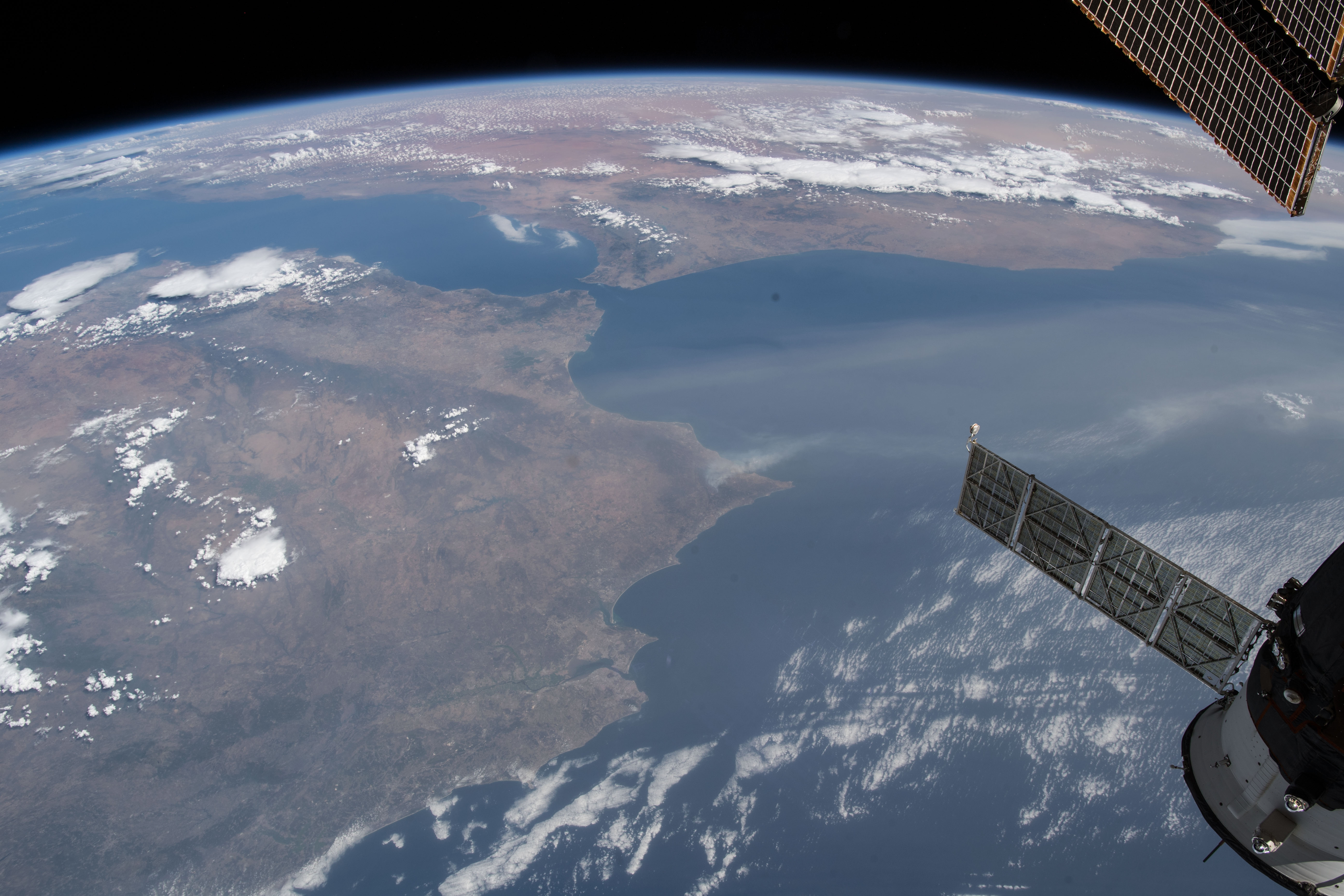
Emergency crews are focusing their efforts on the eastern province of Castellón, specifically within Vall d'Uixó [3, 4]. In that area, wildfires have already burned more than 16,000 acres [3]. The scale of the disaster has forced the evacuation of more than 16,000 people [3].
Prime Minister Pedro Sánchez said that the nation has only two days to bring the wildfires under control before the weather conditions worsen [1]. The government is coordinating with emergency services to stabilize the perimeter of the fires in Castellón to prevent further spread into inhabited zones.
"I call on all citizens to exercise extreme caution ahead of the new heatwave," Sánchez said [1].
Authorities in Spain and France are working to curb the flames as the atmospheric conditions shift [2]. The urgency is driven by the narrow window of opportunity to secure the landscape before the heatwave's peak. Firefighters are utilizing aerial support and ground crews to create firebreaks, which are critical barriers intended to starve the flames of fuel [1, 3].
“Spain has only two days to bring the wildfires under control before the weather conditions worsen.”
The situation in Castellón highlights the increasing vulnerability of Mediterranean climates to 'fire-weather' cycles, where existing blazes are exacerbated by immediate heatwaves. The narrow 48-hour window for containment underscores the volatility of these events, suggesting that traditional firefighting timelines are being compressed by more extreme weather patterns.