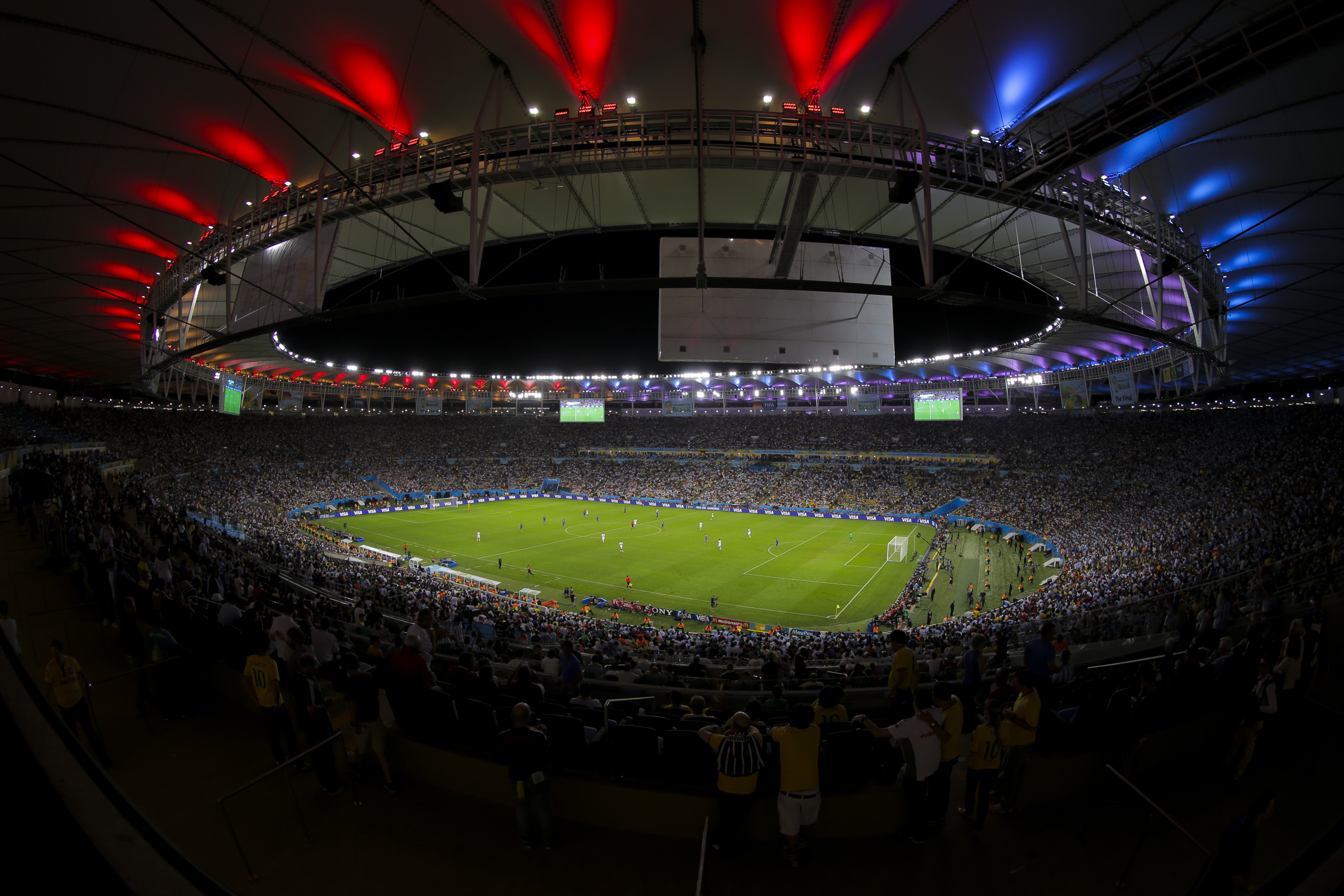
Spain won the 2026 FIFA World Cup by defeating Argentina 1-0 [1] after extra time on Sunday, July 19 [1], [2].
The victory marks a historic achievement for the Spanish national team, establishing a new era of dominance in international football and securing the country's second World Cup title [1].
Spain managed the win through a combination of tactical discipline and individual brilliance. The deadlock was broken in extra time when Ferran Torres [2] scored the only goal of the match [1], [2]. The result ended the contest and prevented Argentina from retaining its status as the world's top-ranked team.
Manager Luis de la Fuente said the victory was a result of having world-class players and making the correct tactical decisions throughout the tournament [1]. De la Fuente said the players showed resilience in facing a challenging Argentinian side during the final.
The match remained scoreless through the initial 90 minutes of play. Spain's defense held firm against Argentinian attacks, while its offense searched for an opening that finally arrived in the additional period. The 1-0 [1] result reflects a tightly contested battle where a single clinical finish determined the champion.
This triumph follows a rigorous campaign where Spain's tactical flexibility became a hallmark of its play. By securing this second title [1], Spain joins an elite group of nations with multiple world championships. The team's ability to perform under pressure in the final minutes of extra time highlighted the mental fortitude developed under De la Fuente's leadership.
“Spain won the 2026 FIFA World Cup by defeating Argentina 1-0 after extra time.”
Spain's second World Cup title signals a shift in the global football hierarchy, ending Argentina's recent period of dominance. By winning a final decided in extra time, Spain has demonstrated both defensive stability and the ability to execute high-pressure tactical adjustments, cementing Luis de la Fuente's legacy as a championship-winning manager.

