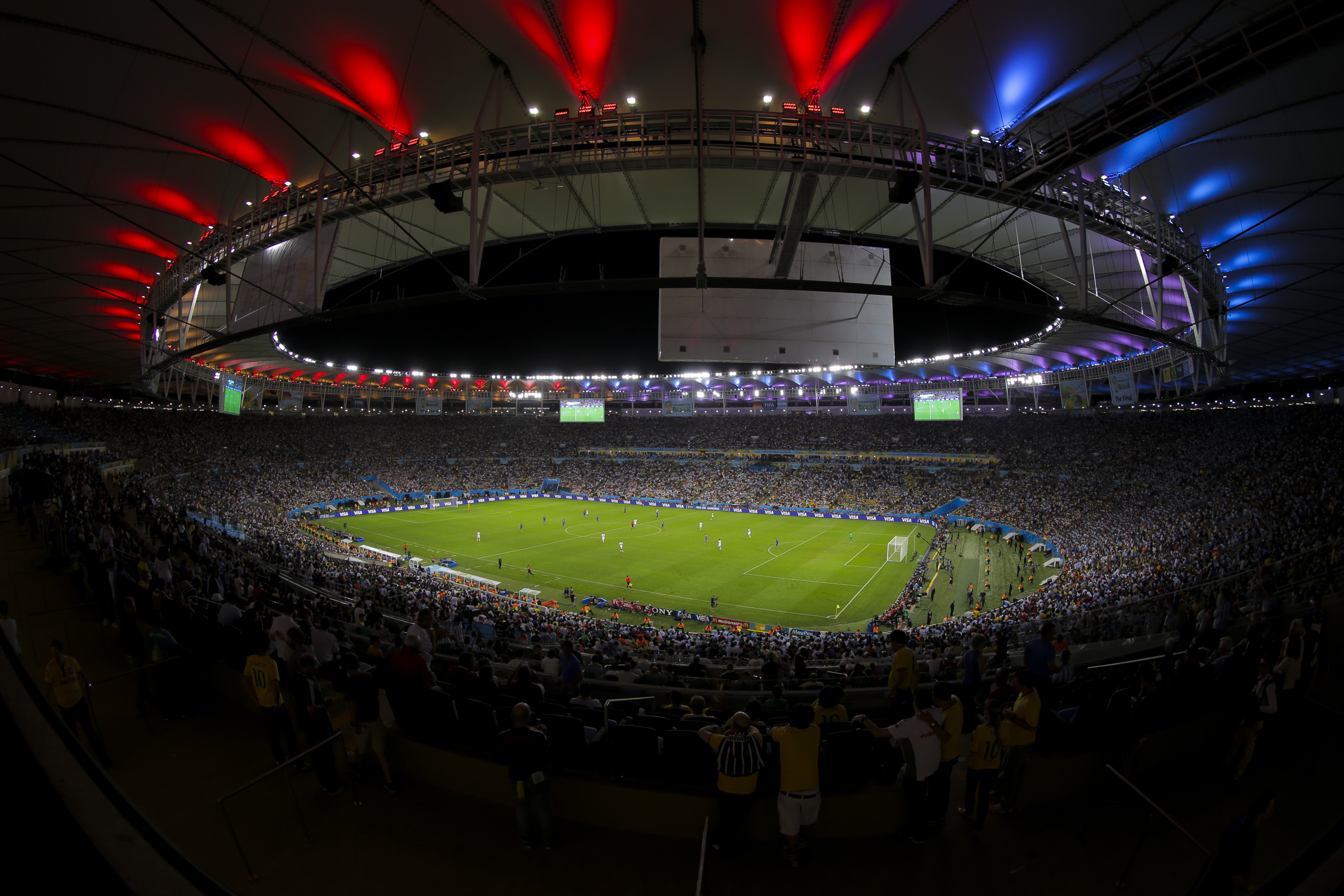
Spain won the 2026 FIFA World Cup on Sunday after defeating Argentina 1-0 [1].
This victory marks Spain's second World Cup title [1], ending Argentina's attempt to defend its championship and signaling a shift in global football dominance.
The match remained scoreless through regulation play, forcing the contest into extra time. Ferran Torres scored the decisive goal in the additional period to secure the championship for Spain [1, 2].
Argentina faced a significant disadvantage during the closing stages of the match. The team was reduced to 10 men after Enzo Fernández received a red card [1, 2]. This forced captain Lionel Messi and his teammates to defend with a depleted squad, a tactical shift that eventually allowed Spain to find the winning opening.
The final score of 1-0 reflects a tightly contested battle that was decided by a single mistake and a moment of clinical finishing [1]. Spain's defense held firm against the Argentine attack, while their offensive pressure intensified following the dismissal of Fernández.
Spain now joins an elite group of nations with multiple world titles [1]. The result concludes the tournament with a dramatic finish that saw the champion's trophy return to Europe.
“Spain won the 2026 FIFA World Cup on Sunday after defeating Argentina 1-0.”
Spain's victory establishes a new era of dominance for the national team and prevents Lionel Messi from achieving a historic back-to-back title defense for Argentina. The match underscores how a single disciplinary action, such as the red card given to Enzo Fernández, can pivot the outcome of a global championship final.


