Spain defeated Argentina 1-0 in extra time on July 19 to secure the FIFA World Cup title [1], [4].
This victory marks the second time Spain has won the tournament [1]. The result is particularly significant as it ended the hopes of Lionel Messi to achieve a final farewell triumph in the competition [1], [3].
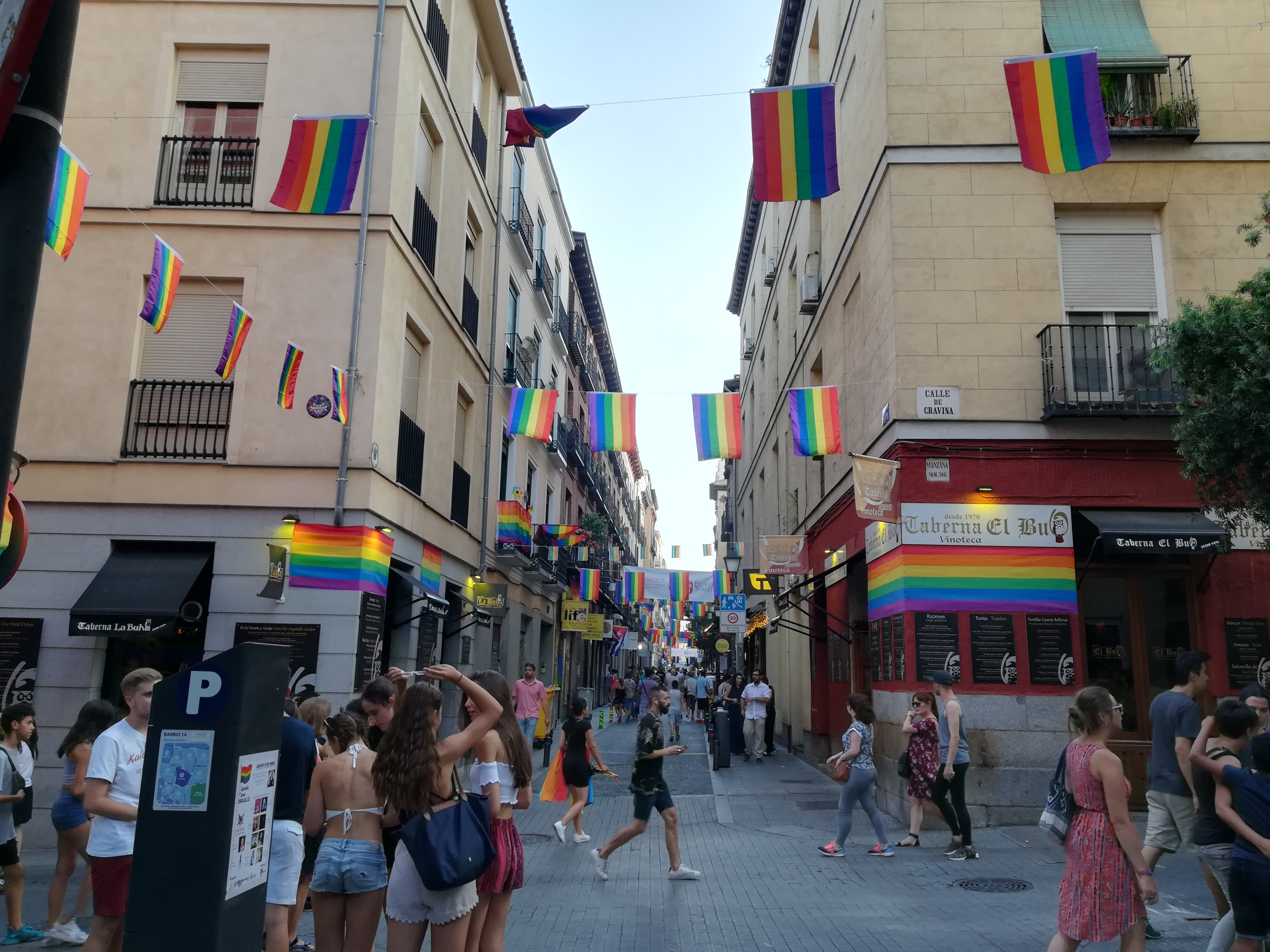
Celebrations erupted across Spain immediately following the match. In Madrid, crowds filled the streets with cheers and honking horns to mark the achievement [2]. Similar scenes of jubilation were reported in Barcelona, where fans gathered in large numbers to celebrate the national team's success [1], [2].
The match remained scoreless through regulation time, requiring the game to be decided in extra time [1]. Spain's single goal was enough to secure the championship and ignite nationwide festivities [1], [2].
Supporters in both Madrid and Barcelona described the atmosphere as electric as the city centers became focal points for the victory parties [2]. The win cements Spain's position as a dominant force in international soccer and provides a historic milestone for the current squad [1], [3].
“Spain defeated Argentina 1-0 in extra time on July 19 to secure the FIFA World Cup title”
Spain's victory establishes a new era of dominance for the national team while closing the chapter on one of the most successful individual careers in sports history. By defeating Argentina, Spain not only claims a second global title but also disrupts the narrative of a fairytale ending for Lionel Messi, shifting the geopolitical center of soccer power back toward Europe.


