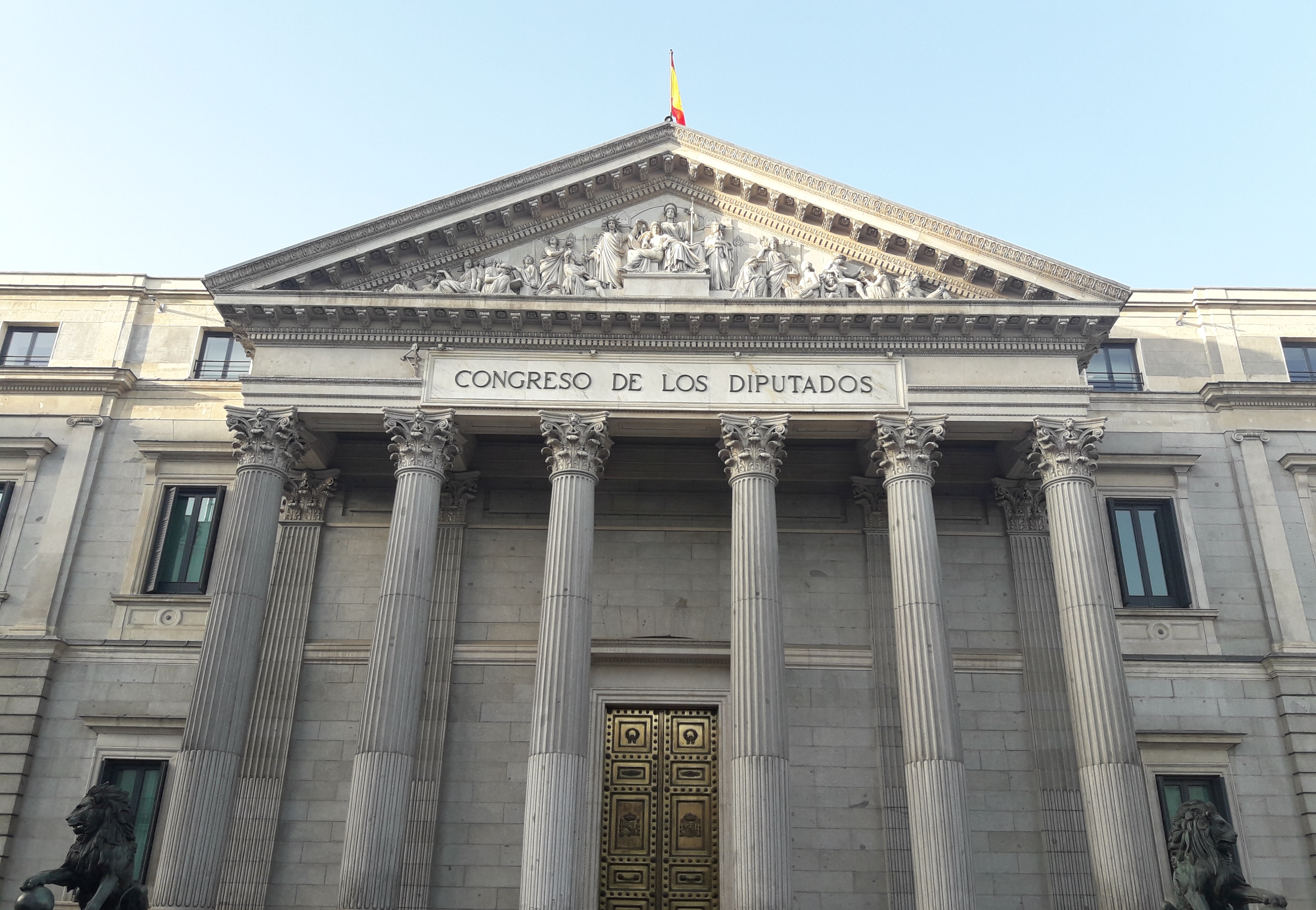
Spanish parliamentary groups debated the Leire Diez case in the Congress of Deputies on May 27 and 28 after prosecutors confirmed two meetings [1].
The proceedings center on whether the executive branch improperly influenced judicial investigations. If political meddling is proven, it could signal a systemic breach of the separation of powers between the Spanish government and its judiciary.
The debate followed a statement from the prosecutor acknowledging that representatives from the Ministry of Justice met with Diez, a former socialist activist, on two occasions [1]. These meetings have sparked accusations of obstruction of justice and political interference in the legal process.
Members of the PSOE and PP reacted to the revelations in the plenary hall and corridors of the Congress in Madrid. The situation intensified as political groups demanded accountability for the interactions between government officials and the activist.
Prime Minister Pedro Sanchez requested to appear before the Congress on May 28 [2] to discuss the judicial cases. This request came after reports indicated Sanchez had not appeared before the Congress for three weeks [3].
The case involves a complex web of figures, including public prosecutor Diego Villafane, former deputy attorney general Alvaro Garcia Ortiz, and former PSOE organization secretary Santos Cerdan [4]. The investigation seeks to determine if the Ministry of Justice attempted to shield specific individuals or steer the outcome of the Leire Diez case.
Opposition leaders have used the session to question the integrity of the current administration. The focus remains on the nature of the two acknowledged meetings [1] and whether they constituted an attempt to obstruct the legal proceedings involving Diez and other implicated parties [4].
“The proceedings center on whether the executive branch improperly influenced judicial investigations.”
This conflict highlights a deepening tension between Spain's executive branch and its judicial system. The acknowledgment of meetings between the Ministry of Justice and a subject of an investigation provides a factual basis for claims of state interference, potentially weakening public trust in the impartiality of the Spanish courts and the neutrality of the prosecutor's office.


'%2F%3E%0A%20%20%20%20%3Crect%20width%3D'1600'%20height%3D'900'%20fill%3D'url(%23v)'%2F%3E%0A%20%20%20%20%3Cg%20opacity%3D'0.08'%20fill%3D'%23ffffff'%3E%0A%20%20%20%20%20%20%3Ccircle%20cx%3D'1420'%20cy%3D'180'%20r%3D'220'%2F%3E%0A%20%20%20%20%20%20%3Ccircle%20cx%3D'1500'%20cy%3D'760'%20r%3D'120'%2F%3E%0A%20%20%20%20%3C%2Fg%3E%0A%20%20%20%20%3Cline%20x1%3D'80'%20y1%3D'172'%20x2%3D'220'%20y2%3D'172'%20stroke%3D'%23ffffff'%20stroke-width%3D'3'%20stroke-opacity%3D'0.6'%2F%3E%0A%20%20%20%20%3Ctext%20x%3D'80'%20y%3D'140'%20font-family%3D'Inter%2C%20-apple-system%2C%20Helvetica%2C%20sans-serif'%20font-weight%3D'700'%20font-size%3D'28'%20fill%3D'%23ffffff'%20letter-spacing%3D'6'%3EHANNA%20%C2%B7%20NEWS%3C%2Ftext%3E%0A%20%20%20%20%3Ctext%20x%3D'80'%20y%3D'230'%20font-family%3D'Inter%2C%20-apple-system%2C%20Helvetica%2C%20sans-serif'%20font-weight%3D'600'%20font-size%3D'40'%20fill%3D'%23ffffffb3'%20letter-spacing%3D'4'%3EWORLD%3C%2Ftext%3E%0A%20%20%20%20%3Ctext%20x%3D'80'%20y%3D'694'%20font-family%3D'Playfair%20Display%2C%20Georgia%2C%20serif'%20font-weight%3D'800'%20font-size%3D'110'%20fill%3D'%23ffffff'%20letter-spacing%3D'-1'%3EKOSPI%20Surges%20After%20US-Iran%3C%2Ftext%3E%3Ctext%20x%3D'80'%20y%3D'820'%20font-family%3D'Playfair%20Display%2C%20Georgia%2C%20serif'%20font-weight%3D'800'%20font-size%3D'110'%20fill%3D'%23ffffff'%20letter-spacing%3D'-1'%3ECease-Fire%20Agreement%3C%2Ftext%3E%0A%20%20%20%20%3Ctext%20x%3D'80'%20y%3D'870'%20font-family%3D'Inter%2C%20-apple-system%2C%20Helvetica%2C%20sans-serif'%20font-weight%3D'500'%20font-size%3D'22'%20fill%3D'%23ffffff66'%20letter-spacing%3D'2'%3Enews.hanna-ai.com%3C%2Ftext%3E%0A%20%20%3C%2Fsvg%3E)