Residents of Pescueza, Spain, have established a local cooperative to provide care for the village's elderly population within their own community [1, 2].
This initiative addresses the growing challenge of rural aging by prioritizing home-based care over institutionalization. By organizing resources locally, the village aims to prevent the displacement of seniors who wish to remain in the environment where they were born and raised [1, 2].
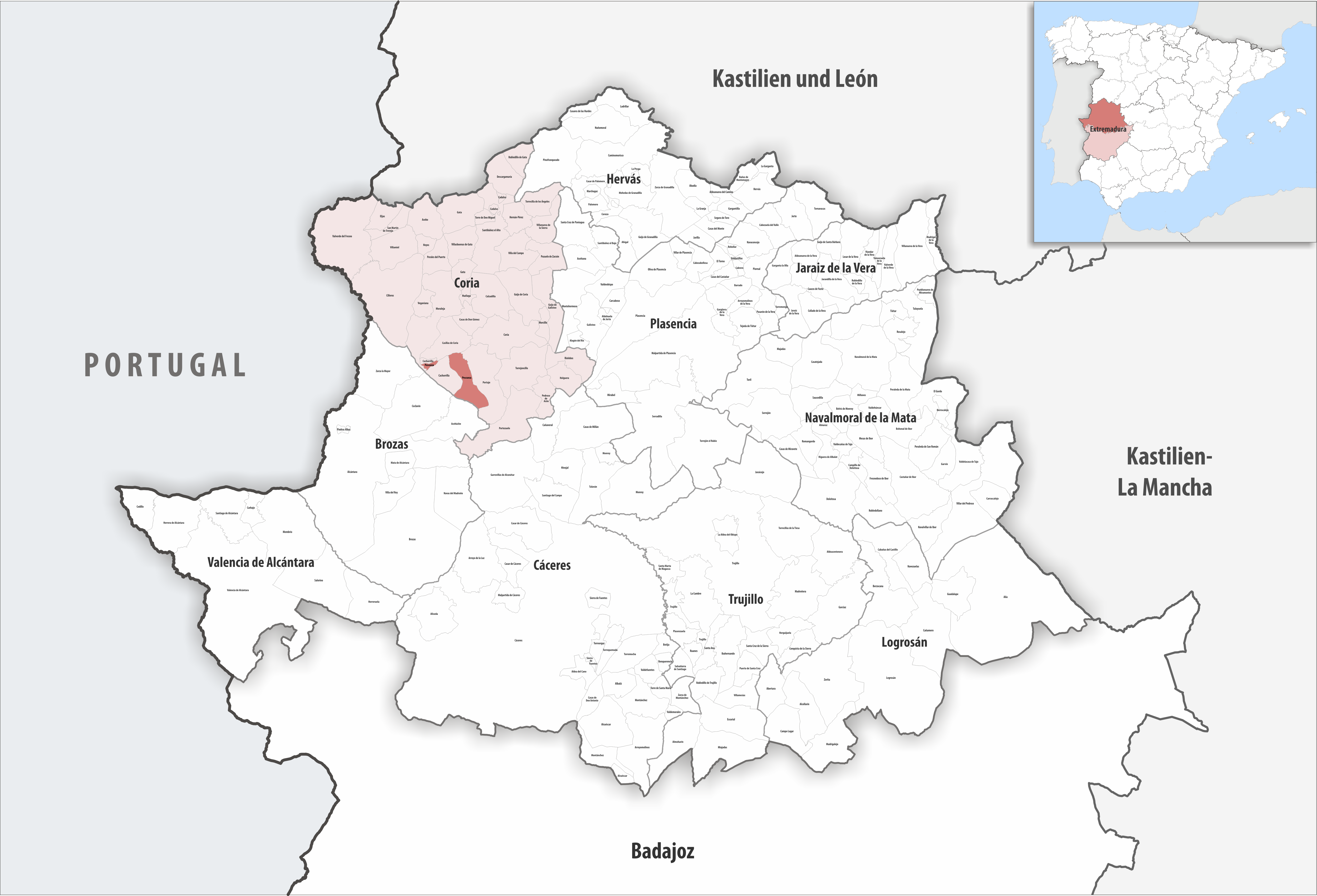
Located in the province of Cáceres [2], Pescueza sits approximately midway between Madrid and Lisbon [2]. The village has a population of 150 inhabitants [2]. To manage the care system, the community relies on a cooperative model that integrates social services directly into the village fabric [1, 2].
Tomás Moreno Sánchez, a social worker, is among the residents managing the care of the elderly [1, 2]. The cooperative ensures that medical and social needs are met without requiring residents to move into external nursing homes, a transition that often leads to social isolation for rural seniors [1, 2].
This community-led approach allows the village to maintain its social cohesion while adapting to the demographic shift of an aging population [1, 2]. By keeping the seniors in Pescueza, the village preserves its generational links and ensures that the elderly remain active participants in community life [1, 2].
“The village aims to prevent the displacement of seniors who wish to remain in the environment where they were born.”
The Pescueza model represents a shift toward decentralized, community-based geriatric care. By bypassing traditional nursing homes in favor of a local cooperative, the village is testing a sustainable alternative to the 'institutionalization' of the elderly, which may serve as a blueprint for other shrinking rural municipalities across Europe facing similar demographic declines.


