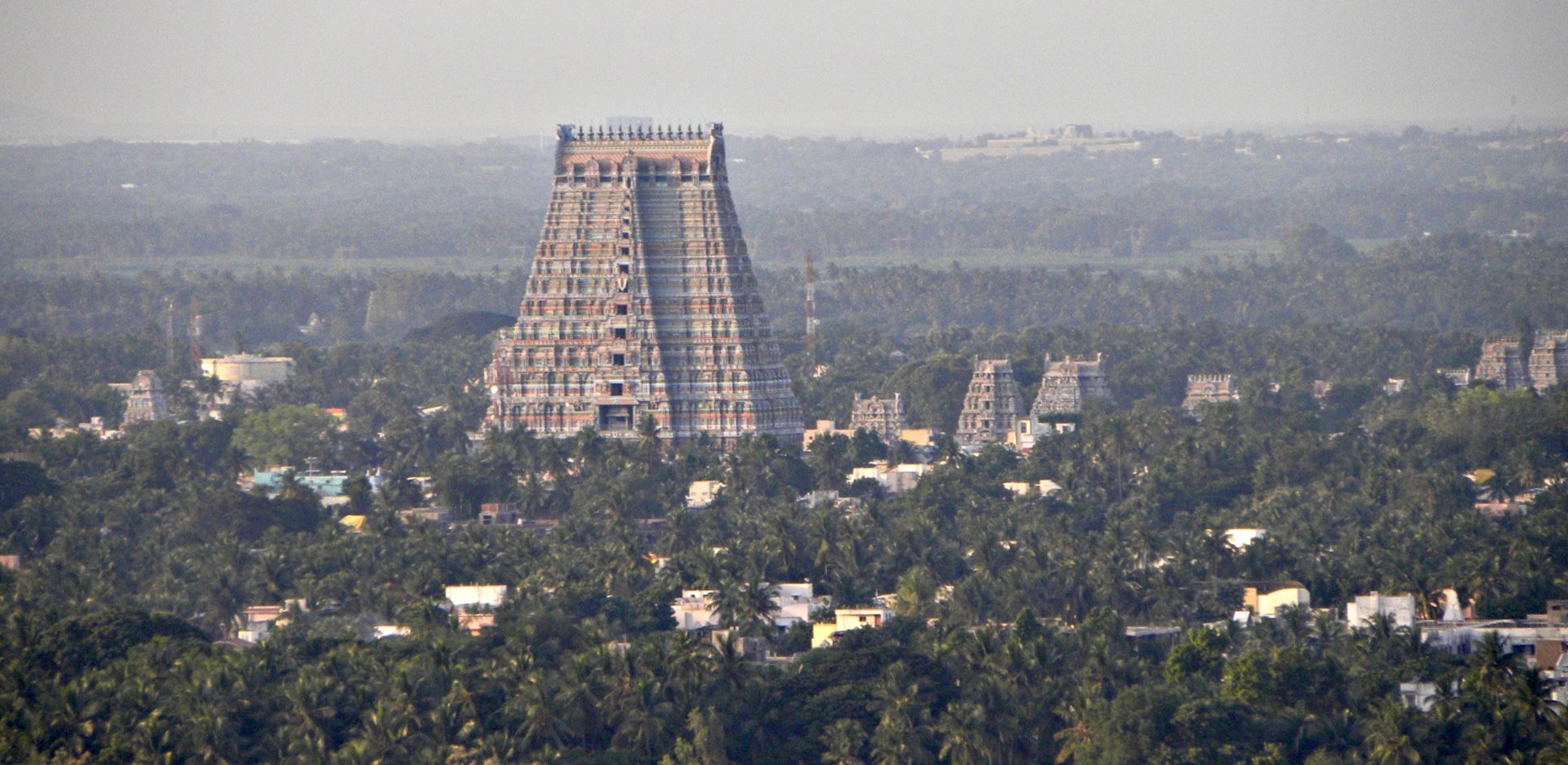
Residents and visitors in Srirangam are facing a severe parking shortage as the area struggles to accommodate increasing numbers of devotees [1].
The crisis complicates access to one of the region's most significant religious hubs, creating traffic congestion that impacts both local commerce and the experience of pilgrims.
Officials from the Tiruchi Corporation said the ongoing issue is due to a lack of suitable land available for the construction of a formal parking lot [1]. While the need for organized space has grown, the city has been unable to secure the necessary parcels to implement a large-scale solution.
Local reports indicate that several vacant sites are currently owned by the Hindu Religious and Charitable Endowments (HR&CE) Department [1]. These plots remain unallocated, leaving the city without the primary resource needed to alleviate the congestion on the streets.
"Srirangam faces a parking crisis as rising devotees struggle with inadequate spaces," a reporter for The Hindu said [1]. The shortage has become a persistent problem that exacerbates the difficulty of navigating the town during peak visiting hours.
Despite the visibility of the problem, the Tiruchi Corporation continues to say the absence of viable land is the primary barrier [1]. This stalemate between the need for infrastructure and the ownership of land by the HR&CE Department has left the local administration without a clear path forward.
As the number of visitors continues to climb, the pressure on the existing road network increases, leading to frequent bottlenecks in the heart of Srirangam [1].
“Srirangam faces a parking crisis as rising devotees struggle with inadequate spaces.”
The situation in Srirangam highlights a common administrative friction in Indian urban management, where land ownership by specialized departments like the HR&CE can block municipal infrastructure projects. Until a formal agreement is reached to repurpose these vacant government lands, the town's infrastructure will likely remain unable to scale with the growth of religious tourism.


