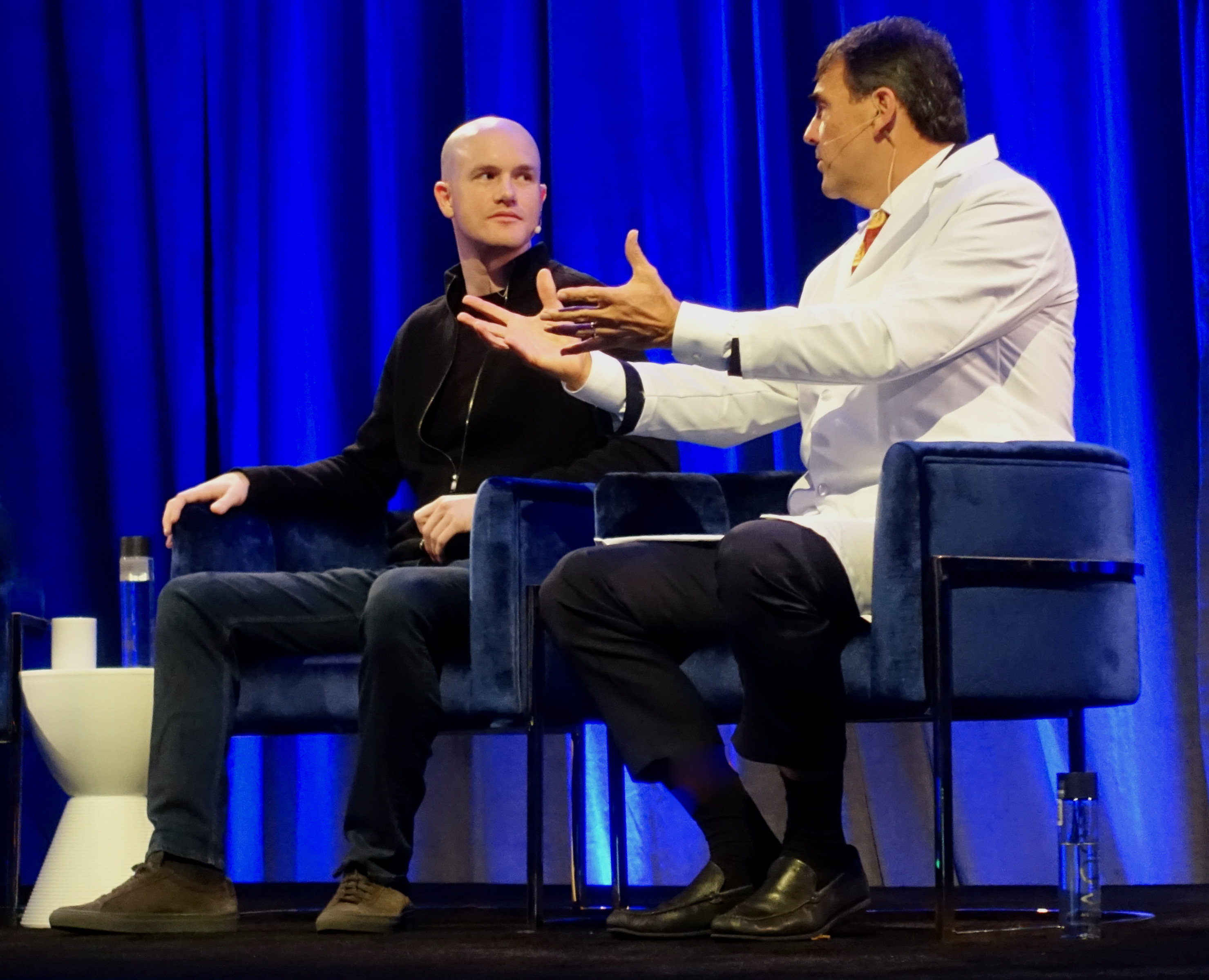
Alvin Wang Graylin said he wants to maintain personal agency and critical thinking while using artificial intelligence at the America250 x Forbes America Innovates stage [1].
As AI tools become more integrated into professional and creative workflows, the risk of over-reliance threatens to diminish human cognitive autonomy. Graylin's discussion addresses the tension between leveraging machine efficiency and preserving the unique capacity for independent human thought.
Graylin serves as a digital fellow at the Stanford Institute for Human-Centered AI (HAI) [1]. He is also an author and was recognized as one of the Forbes 250 America’s Greatest Living Innovators [1]. His presentation focused on the practical application of AI as a tool for augmentation rather than a replacement for the human mind.
The conversation comes amid a period of rapid global development in the sector. The Stanford HAI recently released its 2026 AI Index Report [2], which highlights the intensifying competition for global dominance in AI technology between the U.S. and China [2].
During the event, Graylin said the goal of human-centered AI is to ensure that technology serves as a catalyst for human potential. By maintaining a clear boundary between AI-generated suggestions and final human decisions, users can avoid the trap of algorithmic dependency, a state where the user stops questioning the output of the machine.
This approach suggests that the value of AI lies not in its ability to provide a final answer, but in its ability to provide a starting point for human refinement. Graylin's framework encourages users to treat AI as a collaborator that requires constant oversight and critical interrogation to remain a beneficial tool.
“Maintaining personal agency and critical thinking while using artificial intelligence.”
The emphasis on 'agency' reflects a growing concern among AI researchers that generative tools may lead to cognitive atrophy. By advocating for a human-in-the-loop model, experts like Graylin are attempting to shift the narrative from AI replacement to AI augmentation, ensuring that humans remain the primary architects of decision-making in an increasingly automated economy.