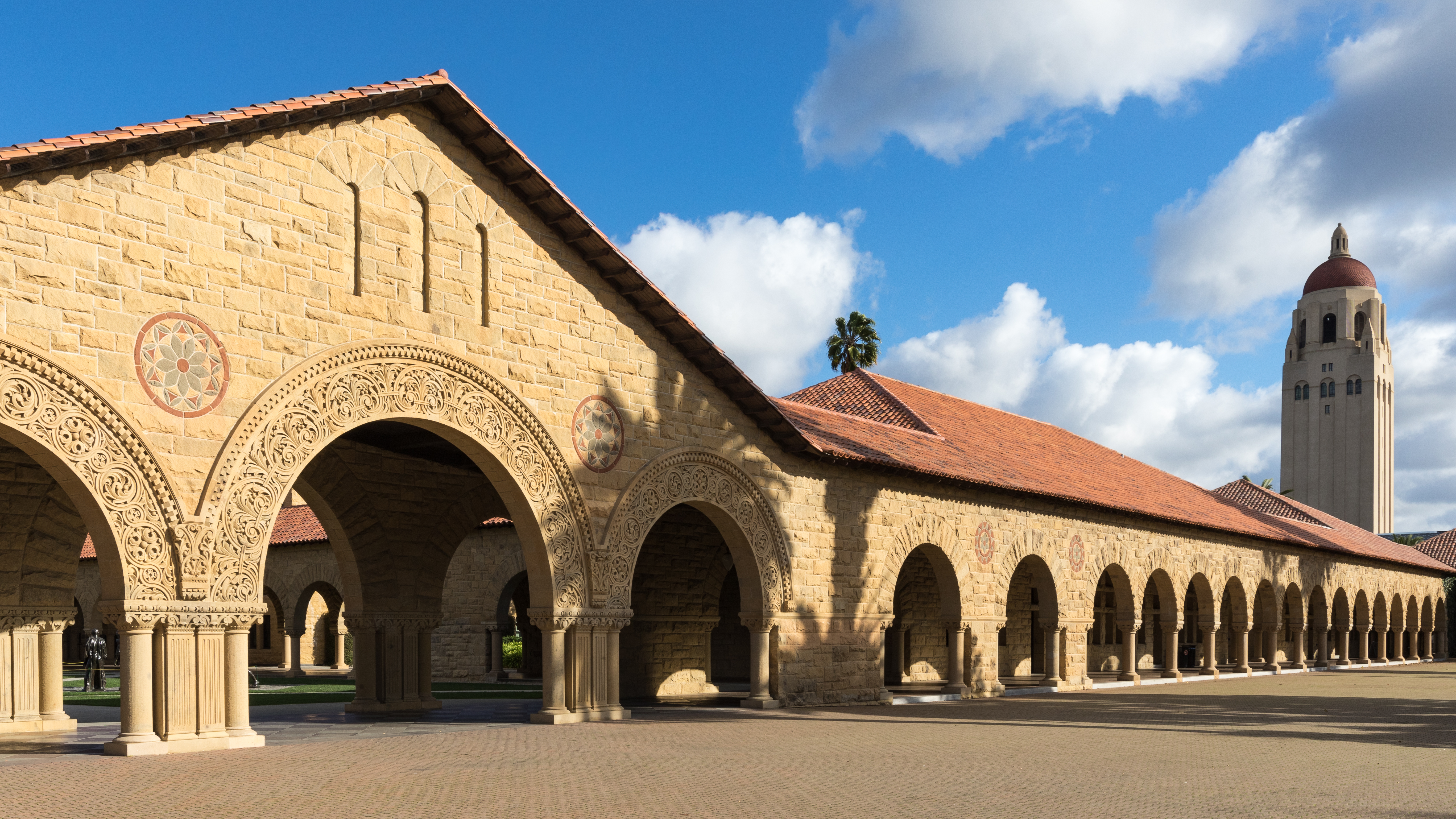
Stanford University student Theo Baker recently detailed how artificial intelligence has influenced his graduating class [1].
His account highlights a pivotal shift in higher education as students navigate the transition from traditional learning to an AI-integrated professional landscape. This evolution affects not only how students study, but also how they perceive their future value in the workforce.
Baker is part of the class of 2026 [3]. Throughout his time at the California institution, he observed the growing influence of AI on university curricula and student learning habits [1, 3]. The integration of these tools has forced a reevaluation of academic integrity, and the fundamental goals of a college degree [3].
According to Baker, the impact extends beyond the classroom into future career prospects [1, 3]. Students are now preparing for a job market where AI proficiency is no longer optional, but a core requirement for most roles. This shift has created a unique pressure for the 2026 cohort to adapt more quickly than previous generations — a transition that occurred in real time during their undergraduate years [3].
Baker's reflections come as universities across the U.S. struggle to standardize AI policies. While some institutions initially banned the technology, others have embraced it as a necessary tool for modern literacy [1, 3].
At Stanford, the dialogue has focused on balancing the efficiency of AI with the critical thinking skills that define a liberal arts education [1, 2]. Baker said the experience of his class serves as a case study for how generative AI can disrupt the traditional trajectory of a four-year degree [1, 3].
“AI proficiency is no longer optional but a core requirement for most roles.”
The experience of the Stanford Class of 2026 signals a broader systemic shift in global higher education. As AI moves from a novelty to a foundational tool, universities are moving away from prohibition toward integration. This transition suggests that the value of a degree may shift from the ability to produce information to the ability to curate, verify, and strategically direct AI-generated output.


'%2F%3E%0A%20%20%20%20%3Crect%20width%3D'1600'%20height%3D'900'%20fill%3D'url(%23v)'%2F%3E%0A%20%20%20%20%3Cg%20opacity%3D'0.08'%20fill%3D'%23ffffff'%3E%0A%20%20%20%20%20%20%3Ccircle%20cx%3D'1420'%20cy%3D'180'%20r%3D'220'%2F%3E%0A%20%20%20%20%20%20%3Ccircle%20cx%3D'1500'%20cy%3D'760'%20r%3D'120'%2F%3E%0A%20%20%20%20%3C%2Fg%3E%0A%20%20%20%20%3Cline%20x1%3D'80'%20y1%3D'172'%20x2%3D'220'%20y2%3D'172'%20stroke%3D'%23ffffff'%20stroke-width%3D'3'%20stroke-opacity%3D'0.6'%2F%3E%0A%20%20%20%20%3Ctext%20x%3D'80'%20y%3D'140'%20font-family%3D'Inter%2C%20-apple-system%2C%20Helvetica%2C%20sans-serif'%20font-weight%3D'700'%20font-size%3D'28'%20fill%3D'%23ffffff'%20letter-spacing%3D'6'%3EHANNA%20%C2%B7%20NEWS%3C%2Ftext%3E%0A%20%20%20%20%3Ctext%20x%3D'80'%20y%3D'230'%20font-family%3D'Inter%2C%20-apple-system%2C%20Helvetica%2C%20sans-serif'%20font-weight%3D'600'%20font-size%3D'40'%20fill%3D'%23ffffffb3'%20letter-spacing%3D'4'%3EWORLD%3C%2Ftext%3E%0A%20%20%20%20%3Ctext%20x%3D'80'%20y%3D'622'%20font-family%3D'Playfair%20Display%2C%20Georgia%2C%20serif'%20font-weight%3D'800'%20font-size%3D'86'%20fill%3D'%23ffffff'%20letter-spacing%3D'-1'%3EBonnie%20Tyler%2C%20%26apos%3BTotal%3C%2Ftext%3E%3Ctext%20x%3D'80'%20y%3D'721'%20font-family%3D'Playfair%20Display%2C%20Georgia%2C%20serif'%20font-weight%3D'800'%20font-size%3D'86'%20fill%3D'%23ffffff'%20letter-spacing%3D'-1'%3EEclipse%20of%20the%20Heart%26apos%3B%3C%2Ftext%3E%3Ctext%20x%3D'80'%20y%3D'820'%20font-family%3D'Playfair%20Display%2C%20Georgia%2C%20serif'%20font-weight%3D'800'%20font-size%3D'86'%20fill%3D'%23ffffff'%20letter-spacing%3D'-1'%3Esinger%2C%20dies%20at%2075%3C%2Ftext%3E%0A%20%20%20%20%3Ctext%20x%3D'80'%20y%3D'870'%20font-family%3D'Inter%2C%20-apple-system%2C%20Helvetica%2C%20sans-serif'%20font-weight%3D'500'%20font-size%3D'22'%20fill%3D'%23ffffff66'%20letter-spacing%3D'2'%3Enews.hanna-ai.com%3C%2Ftext%3E%0A%20%20%3C%2Fsvg%3E)