
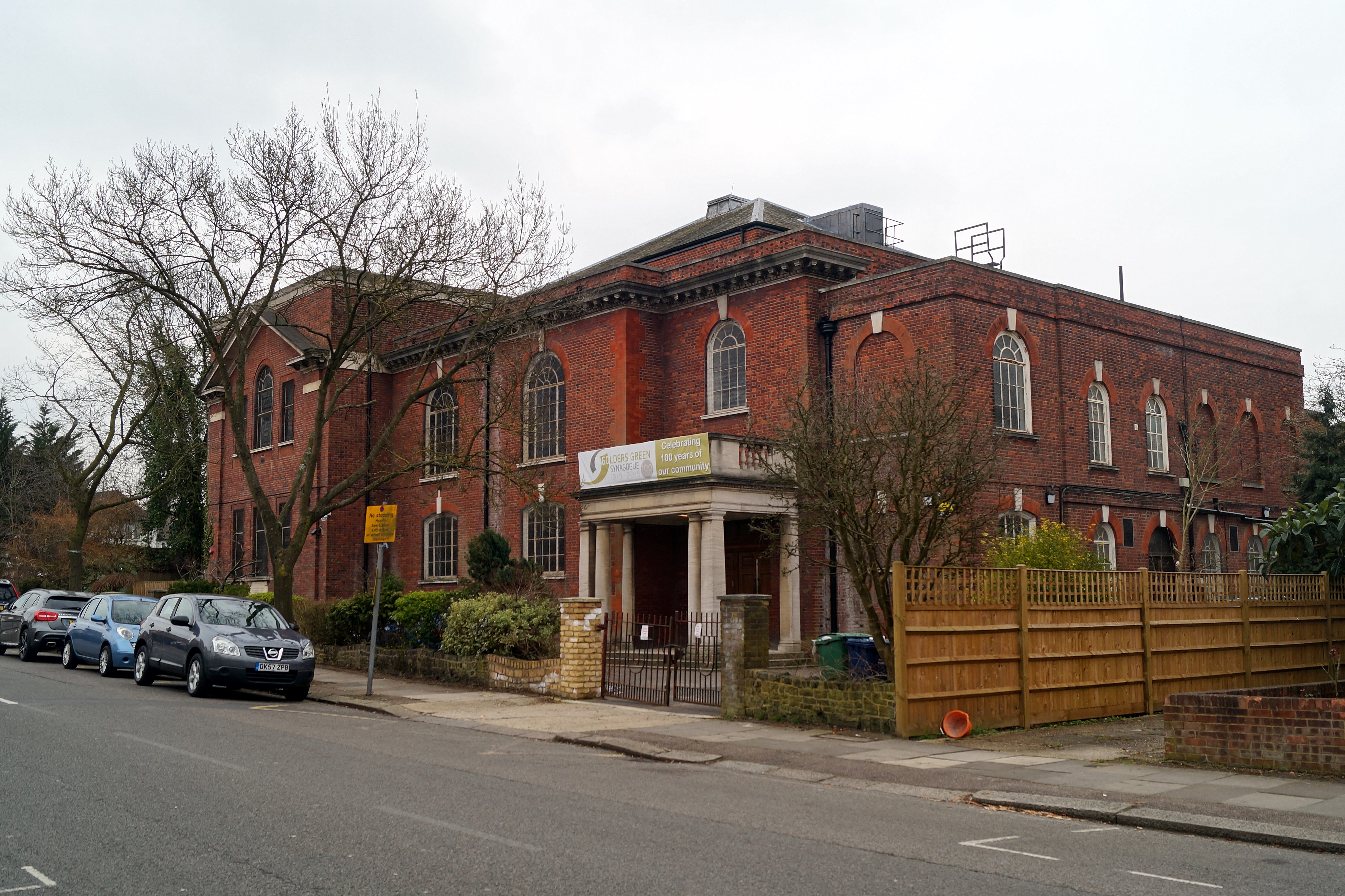
UK Prime Minister Keir Starmer was heckled by protesters in Golders Green on April 30, 2024, during a visit to north London [1].
The incident highlights intensifying public anger over the government's perceived failure to protect Jewish communities from antisemitic violence. The confrontation occurred immediately after a stabbing on April 29, 2024, that left two Jewish men injured [2].
As Starmer arrived in the neighborhood, crowds shouted slogans including "Keir Starmer, Jew harmer" and "traitor" [3]. Other protesters shouted "shame on you" toward the Prime Minister [4]. The atmosphere remained tense as the leader of the Labour Party attempted to address the community following the previous day's violence.
During the visit, Starmer spoke about the necessity of recognizing the struggles of the community. "We must open our eyes to Jewish pain," Starmer said [5].
The stabbing that prompted the visit resulted in two injuries [6]. While some reports described the event as a terrorist attack, others categorized it as a stabbing of two Jewish men [7]. The protesters who gathered on April 30, 2024, expressed their frustration through these chants, signaling a lack of confidence in the administration's response to hate crimes [8].
Security personnel managed the crowd as the Prime Minister navigated the Golders Green area. The incident underscores the volatility of public sentiment in north London, where residents have expressed growing fear regarding targeted attacks. Starmer's visit was intended to provide support, but it instead became a focal point for those demanding more aggressive government action against antisemitism [9].
“"Keir Starmer, Jew harmer."”
The heckling of Prime Minister Starmer reflects a deepening rift between the UK government and segments of the Jewish community who feel vulnerable to rising antisemitism. By labeling the leader a "traitor" and "Jew harmer," protesters are not merely criticizing policy but are questioning the moral legitimacy of the state's protection efforts. This event suggests that symbolic visits may no longer suffice to calm public anxiety without concrete legislative or security shifts.


