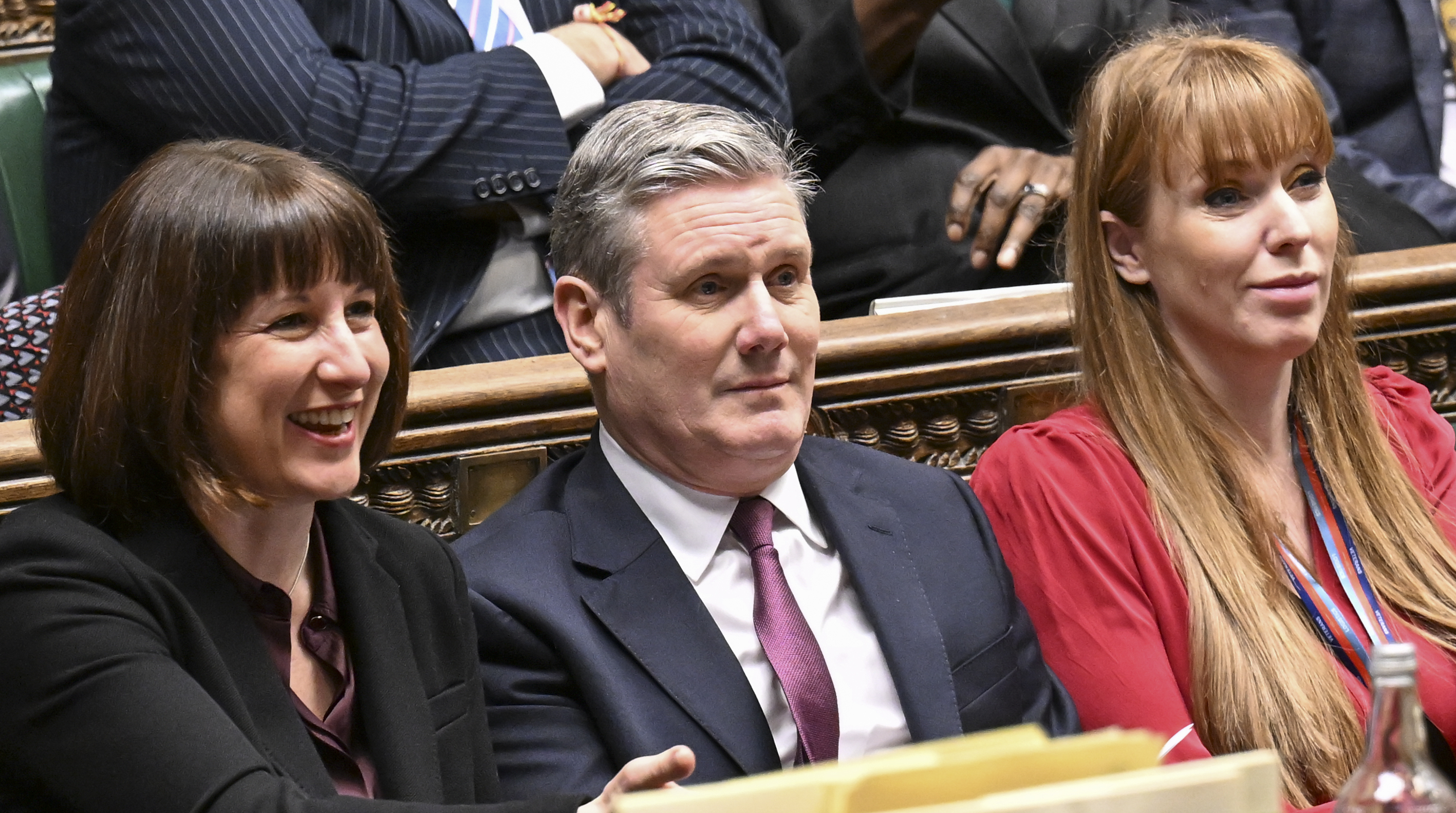
British Prime Minister Keir Starmer (Labour) said he will continue fighting to deliver changes for the United Kingdom following heavy local election defeats [1].
This commitment comes as the Labour Party faces significant setbacks in regional contests. The results have sparked questions regarding the party's current momentum and Starmer's ability to govern effectively while attempting to implement a broad reform agenda.
Speaking on Friday, Starmer said he will bring structural changes to the country [1]. He said the results would not deter his efforts to transform the nation's governance and public services.
The Prime Minister's resolve is intended to counter growing doubts about his leadership after the electoral losses [1]. By focusing on the long-term goal of national change, Starmer aims to stabilize his position within the party and maintain public confidence in the Labour platform.
While the specific scale of the losses was not detailed in the immediate reports, the impact has been described as heavy [1]. Starmer said the path forward involves a continued struggle to realize the party's vision for the UK's future.
The Prime Minister's insistence on persistence suggests a strategy of resilience in the face of regional volatility. He continues to position himself as the primary agent of change for the United Kingdom, despite the setbacks seen in the local ballots [1].
“Starmer promised to continue fighting to deliver changes for the United Kingdom.”
These local election results create a challenging narrative for the Labour Party, suggesting a gap between the Prime Minister's national ambitions and regional voter sentiment. By doubling down on his promise of 'change,' Starmer is attempting to pivot the conversation from short-term electoral failure to long-term ideological goals, though his success depends on whether he can translate this resolve into a tangible policy shift that resonates with disillusioned voters.


