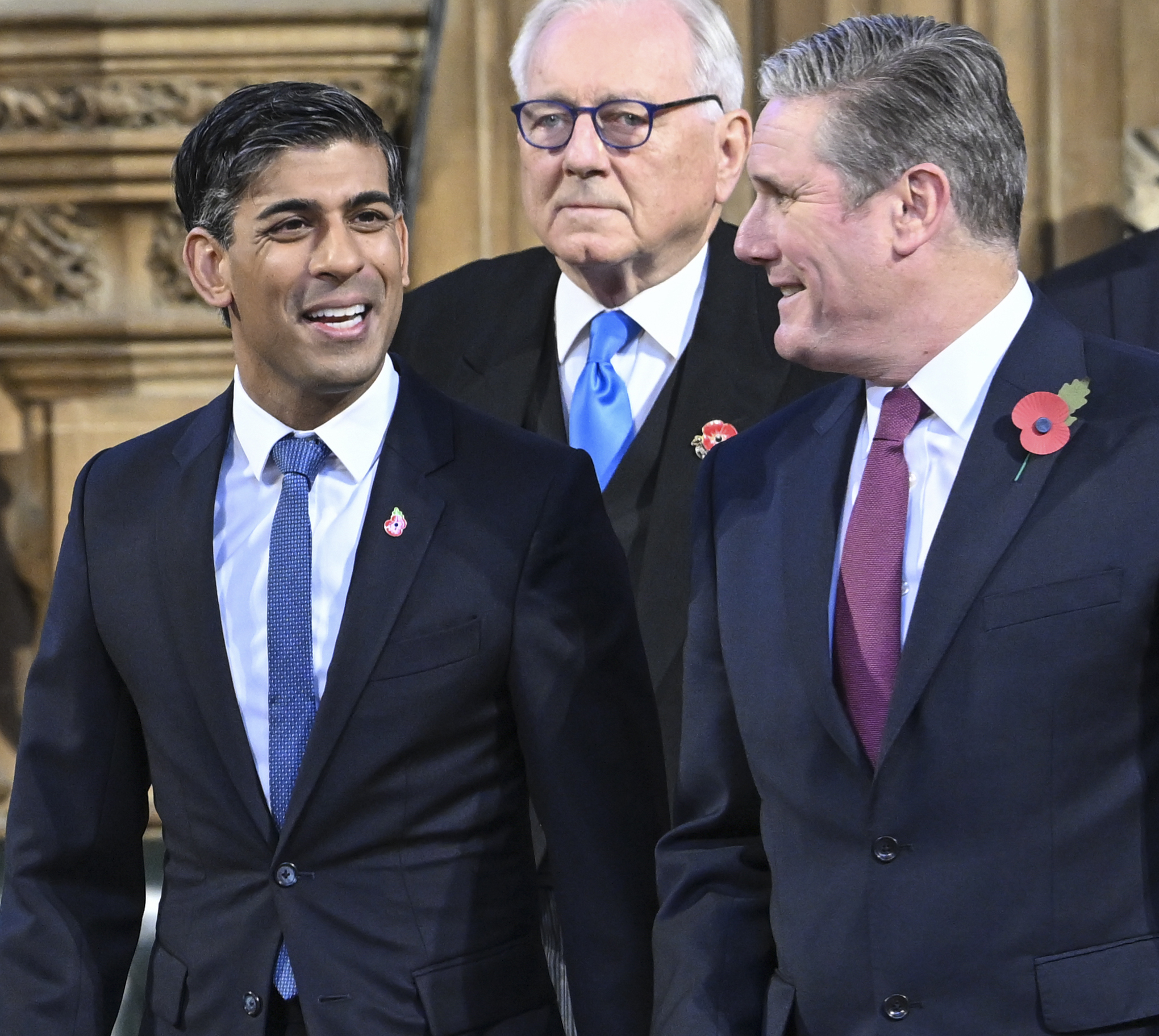
UK Prime Minister Keir Starmer said he will contest any leadership challenge to retain his position following poor local election results [1, 2].
The struggle for control of the Labour Party comes at a critical juncture for the government. If Starmer cannot stabilize his internal support, he risks a leadership vacuum that could destabilize the UK's executive branch and weaken the party's standing ahead of future national contests [3, 4].
Pressure mounted on the Prime Minister after local elections held during the first week of May [3]. The results prompted internal calls for Starmer to step down, as rivals within the party began to circle [5]. The unrest culminated in a survival speech delivered to Labour MPs in London, where Starmer addressed the growing discontent [3, 4].
The scale of the internal rebellion is significant. Dozens of Labour lawmakers have called on Starmer to quit [4]. This wave of opposition suggests a deep fracture within the party's parliamentary wing regarding Starmer's current strategy and leadership style [1, 2].
Despite the losses, Starmer has refused to resign. He has positioned his ability to survive a formal challenge as a means of maintaining party unity, though the continued calls for his ouster suggest that unity remains elusive [1, 5].
Starmer's allies and detractors are now watching to see if the Prime Minister can implement a successful "reset" of his image and policy priorities. The outcome of this internal battle will likely depend on whether he can convince his colleagues that he remains the most viable leader to navigate the party through the current political climate [3, 5].
“Starmer said he will contest any leadership challenge to retain his position”
This internal crisis reflects a growing gap between the Labour Party's leadership and its parliamentary base. By choosing to fight for his job rather than resigning, Starmer is gambling that he can weather the immediate storm of local election losses to avoid a protracted and damaging leadership contest. However, the level of dissent among lawmakers indicates that his authority is severely compromised, making any future legislative or policy initiatives more difficult to execute.


